    Back to Complete Guide

    Soundproof Window Inserts: Reduce Noise Without Replacing Windows

    Affordable, removable window inserts that reduce noise without permanent installation. Perfect for renters, apartments, and temporary noise solutions.

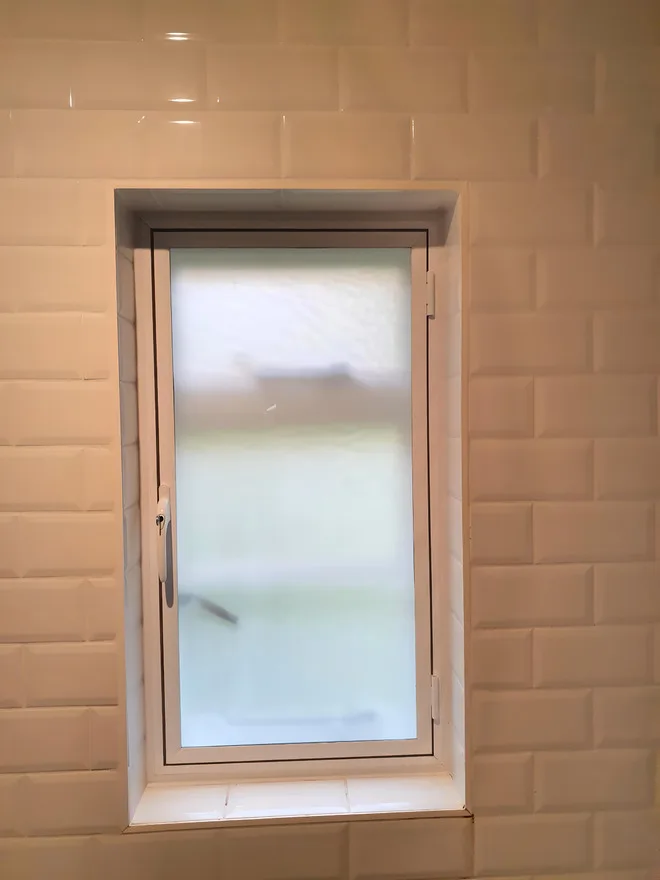
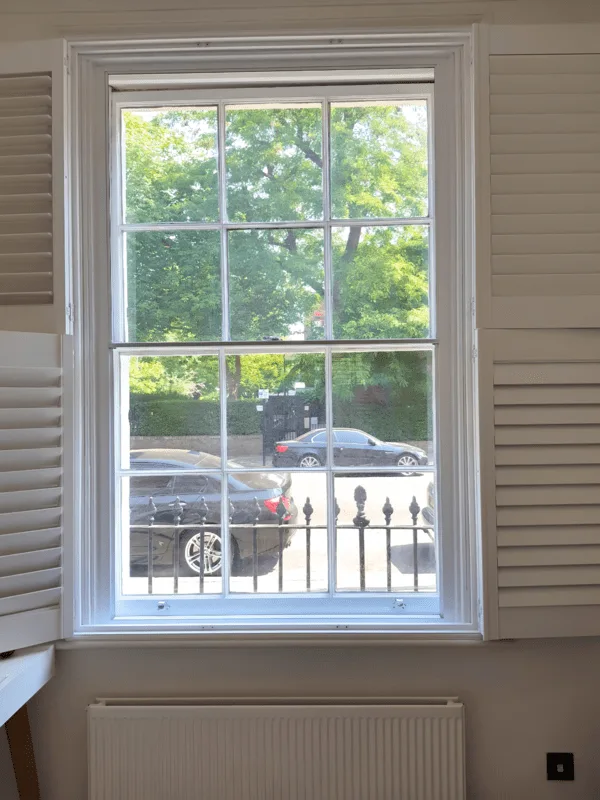
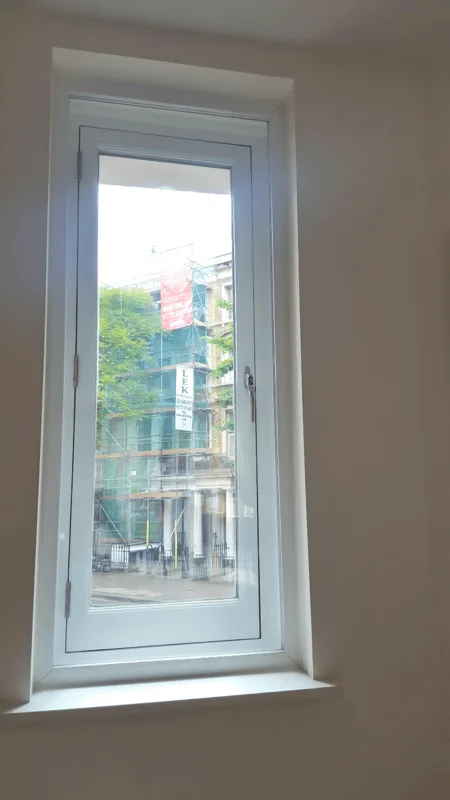
    Removable window insert installation

    What are Window Inserts?

    Window inserts are removable acrylic or glass panels that mount inside your existing window frame using compression tubing or magnetic strips. They create an air gap that blocks sound transmission while remaining completely invisible from the outside and easily removable when needed. Unlike permanent secondary glazing systems, inserts offer the flexibility of DIY installation and complete removal when needed.

    Budget-Friendly

    Starting from £200-300 per window

    DIY Installation

    Install yourself in under 30 minutes

    Renter-Friendly

    Completely removable, no damage

    How Window Inserts Work

    Window inserts use the same acoustic principles as secondary glazing but with simpler installation. They're particularly effective for traffic noise reduction and creating peaceful bedroom environments:

    • Air Gap: Creates 50-100mm space between existing window and insert panel
    • Mass: 6-10mm thick acrylic or glass adds sound-blocking mass
    • Sealing: Compression fit or magnetic edges prevent sound leakage
    • Resonance Dampening: Different thicknesses prevent sound amplification

    Types of Window Inserts

    Acrylic Window Inserts

    Lightweight, shatter-resistant, and optically clear. Best for DIY installation and frequently removed inserts.

    • Noise reduction: 70-75%
    • Cost: £200-350 per window
    • Weight: Very light, easy handling
    • Durability: Scratch-prone but replaceable

    Glass Window Inserts

    Superior optical clarity and acoustic performance. Ideal for permanent or semi-permanent installations.

    • Noise reduction: 80-85%
    • Cost: £350-500 per window
    • Weight: Heavier, professional install recommended
    • Durability: Scratch-resistant, long-lasting

    Laminated Insert Panels

    Premium solution with PVB interlayer for maximum sound dampening. Best acoustic performance.

    • Noise reduction: 85-90%
    • Cost: £450-650 per window
    • Weight: Heavy, two-person installation
    • Durability: Maximum performance and longevity

    DIY Installation Guide

    1. Measure: Accurately measure window opening width and height
    2. Order: Purchase custom-sized insert with mounting system
    3. Clean: Thoroughly clean window frame and glass
    4. Install Seals: Apply compression tubing or magnetic strips to frame
    5. Insert Panel: Press insert firmly into place until fully sealed
    6. Test: Check for gaps and proper sealing around all edges

    Pro Tip

    For maximum noise reduction, ensure your existing window is properly sealed. Use weatherstripping on the original window before installing inserts to eliminate all sound leakage paths.

    When to Choose Window Inserts

    Window inserts are ideal when:

    • You're renting and can't make permanent modifications
    • Your budget is limited (£200-500 vs £800-1500 for replacement windows)
    • You want seasonal noise protection (install in summer, remove in winter)
    • You need a quick DIY solution without contractor involvement
    • Your existing windows are in good condition and you want to preserve them
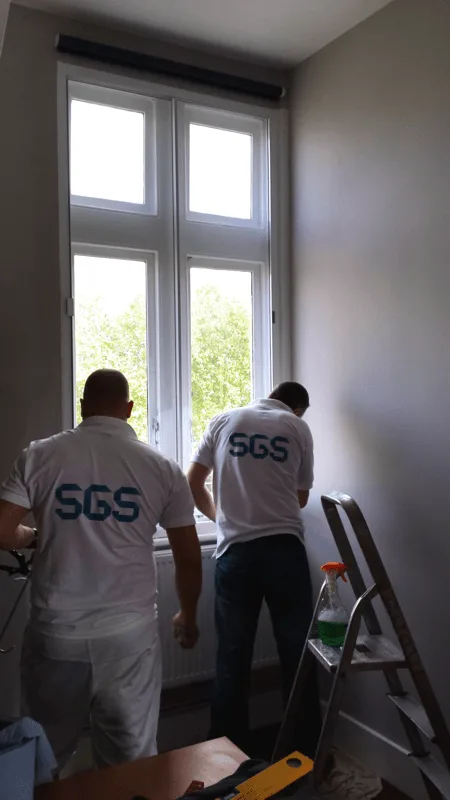
    Window insert close-up installation

    Professional Installation Available

    While window inserts are DIY-friendly, we offer professional installation services that include precise measurements, custom fabrication, and expert fitting for optimal acoustic performance.

    Get Professional Quote

    Start Your DIY Soundproofing

    Get custom-sized window inserts delivered to your door with installation guide

    Window Insert FAQs

    Are window inserts as effective as replacement windows?

    Quality window inserts can reduce noise by 70-80%, similar to mid-range soundproof windows. While they may not match the performance of premium laminated acoustic glass (STC 50+), they offer excellent value, especially for renters and temporary solutions.

    Can I remove window inserts easily?

    Yes, window inserts are designed for easy removal. Magnetic and compression-fit inserts can be removed in seconds, making them perfect for seasonal use, window cleaning, or when moving out of rental properties. They leave no permanent marks or damage.

    Do window inserts block light or view?

    No, quality acrylic and glass window inserts are optically clear and virtually invisible when properly installed. They allow full light transmission and maintain your view while reducing noise. Some users report them being clearer than their original windows.

    How long do window inserts last?

    Glass window inserts can last 20+ years with proper care. Acrylic inserts typically last 10-15 years, though they may develop minor scratches over time. The mounting hardware and seals should be inspected annually and replaced if worn.

    DIY Kits vs Professional Inserts

    Magnetic panels cost £40–£80 but only reduce noise by 10–15dB. See the full breakdown of DIY vs professional options.

    Sources & References

    Government & Regulatory

    1. Historic England. "Modifying Historic Windows as part of Retrofitting Energy-Saving Measures". Historic England Guidance, 2017.Link

      Provides guidance on upgrading historic windows for thermal and acoustic performance while retaining heritage value, supporting the use of secondary glazing in listed buildings.

    2. World Health Organization (WHO). "Environmental Noise Guidelines for the European Region". WHO Regional Office for Europe, 2018.Link

      Outlines the health impacts of environmental noise, establishing the necessity for soundproofing solutions like window inserts in urban residential environments.

    Scientific & Technical

    1. J. Kang. "The Sound Insulation of Windows with Secondary Glazing". Applied Acoustics Journal, 2012.

      An academic analysis of how secondary glazing systems create a decoupled air cavity to significantly reduce sound transmission compared to single glazing.

    2. Building Research Establishment (BRE). "Sound Insulation: Guide to the Building Regulations (Part E)". BRE Group Technical Papers, 2015.Link

      Contains technical data on the performance of secondary glazing units and their impact on reducing decibel levels from external traffic noise.

    Industry Standards

    1. British Standards Institution (BSI). "BS EN ISO 10140-2:2021 Acoustics. Laboratory measurement of sound insulation of building elements. Measurement of airborne sound insulation". BSI Standards Publication, 2021.

      The definitive British standard for measuring the sound insulation potential of building elements, including secondary glazing panels.

    2. British Standards Institution (BSI). "BS 8233:2014 Guidance on sound insulation and noise reduction for buildings". BSI Standards Publication, 2014.

      This standard highlights the importance of airtight seals (such as magnetic gaskets) in preventing acoustic leakage in window systems.

    Citations generated with AI assistance. Please verify sources independently.