Expert Resource
Secondary Glazing for Sash Windows & Period Homes
The definitive technical reference for London homeowners. Understand how decoupled air gaps, laminated acoustic glass, and precision-engineered seals combine to block up to 54dB of noise — without replacing your existing windows.
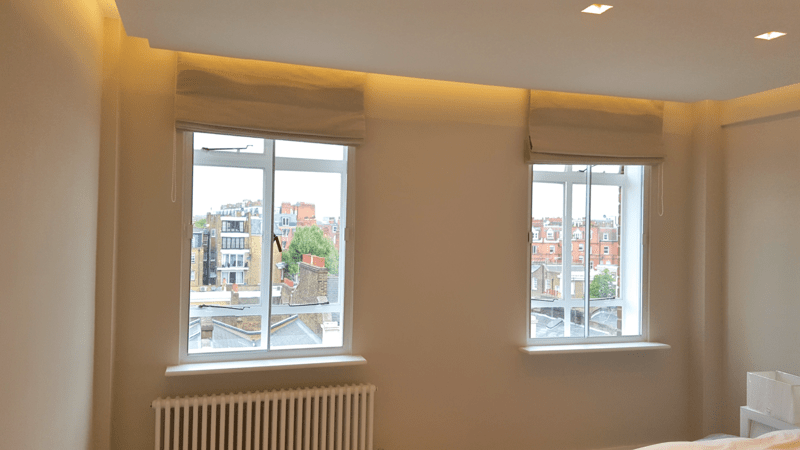
What is Secondary Glazing? (And How It Differs from Double Glazing)
Secondary glazing is the installation of an independent, interior window panel set within the existing window reveal. Unlike double glazing — which seals two panes into a single 12–16mm unit — secondary glazing creates a 100–200mm decoupled air gap between your original window and a new acoustic panel.
This decoupling principle is the core reason secondary glazing outperforms double glazing for noise reduction. When sound waves hit the first pane, they must cross the wide air cavity before reaching the second. The air gap absorbs and attenuates the wave energy, particularly in the low-frequency range (80–500 Hz) where traffic rumble, diesel engines, and bass vibrations dominate.
Because the secondary unit is entirely internal and fully reversible, it is the only approved acoustic solution for Grade I and Grade II listed buildings throughout London's conservation areas.
dB Reduction: Secondary Glazing vs Standard Windows
| Noise Source | Typical Level | Single Glazing | Double Glazing | Secondary Glazing |
|---|---|---|---|---|
| Heavy A-road traffic | 85 dB | 65 dB | 52 dB | 31 dB |
| Bus route / HGVs | 78 dB | 58 dB | 46 dB | 28 dB |
| Urban street noise | 70 dB | 52 dB | 42 dB | 24 dB |
| Aircraft overhead | 90 dB | 70 dB | 58 dB | 36 dB |
| Railway line | 80 dB | 62 dB | 48 dB | 30 dB |
* Values based on 10.8mm Stadip Silence glass with 150mm air gap. Actual results depend on installation and building conditions.
Suffering from traffic noise? Our dedicated Traffic Noise Solutions page explains how we tackle A-road and HGV rumble specifically.
Engineering
Inside Our Glazing System
Hover over each layer to understand the acoustic engineering behind every installation.
Hover over any layer in the cross-section to see its acoustic specification and purpose.
Rw 60
System Performance
150mm
Air Gap Depth
95%+
Noise Reduction
The Engineering Behind the Silence: Glass, Air Gaps & Seals
Every component in our system is specified for acoustic performance. Here are the three glass tiers we offer:
4mm Standard Float
Rw 29
Entry-level option for thermal improvement and moderate noise environments. Suitable for quiet residential streets.
6.4mm Acoustic Laminate
Rw 37
PVB interlayer laminate glass. Effective for mid-frequency noise such as voices, dogs, and general urban bustle.
10.8mm Stadip Silence
Rw 50
Premium asymmetric laminate (6.4mm + 4.4mm) with a specialist PVB interlayer tuned to dampen the frequencies where human hearing is most sensitive. The gold standard for A-roads and HGVs.
Triple-Stage Compression Seals
Rated to Class 4 airtightness (EN 12207). Continuous perimeter seals eliminate flanking paths, ensuring no sound leaks around the frame edges — the most common failure point in cheaper systems.
The 150mm Air Gap
We recommend a minimum 100mm cavity, with 150mm optimal. This shifts the mass-air-mass resonance frequency below 80 Hz — well below the range of traffic noise — maximising low-frequency attenuation.
Thermal Efficiency: Reducing Heat Loss by up to 65%
The same air cavity that blocks sound also acts as a powerful thermal insulator. A single-glazed sash window typically has a U-value of 5.0 W/m²K. Adding secondary glazing with a 100mm+ gap brings this down to approximately 1.8 W/m²K — a 65% improvement in thermal performance.
For London period properties with 10–20 original sash windows, this translates to annual heating bill savings of £300–£600, paying back the installation cost within 3–5 years.
65%
Heat loss reduction
1.8
U-value (W/m²K)
£300–600
Annual savings
3–5 yrs
Typical payback
Frame Options
Powder-Coated Aluminium Frames with 10-Year Guarantee
Every frame is precision-manufactured from powder-coated aluminium for durability and a discreet finish. Available in white, brown, black, and any RAL colour to match your interior.
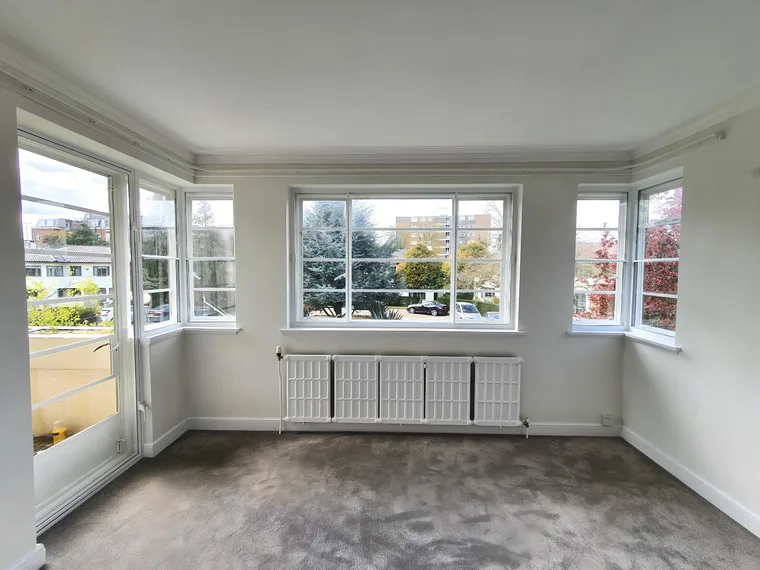
Vertical Sliders
Designed for period sash windows. Replicates the original sliding action. Ideal for soundproofing London sash windows.
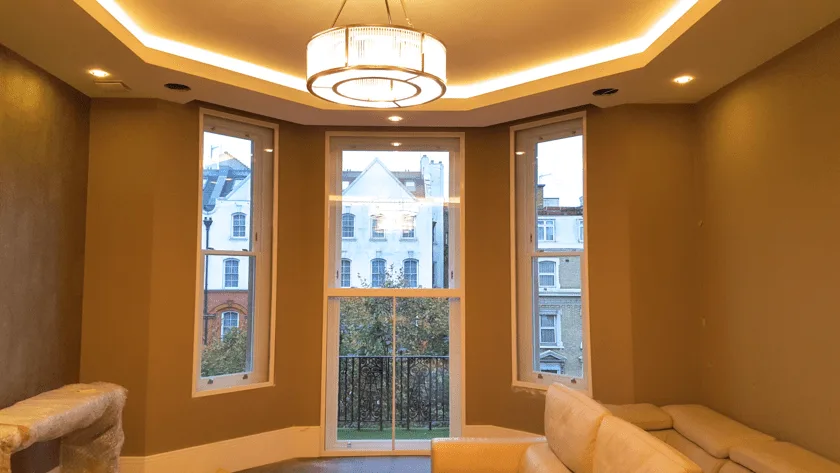
Horizontal Sliders
Space-saving option for wide windows and bays. Smooth glide track with brush seals.
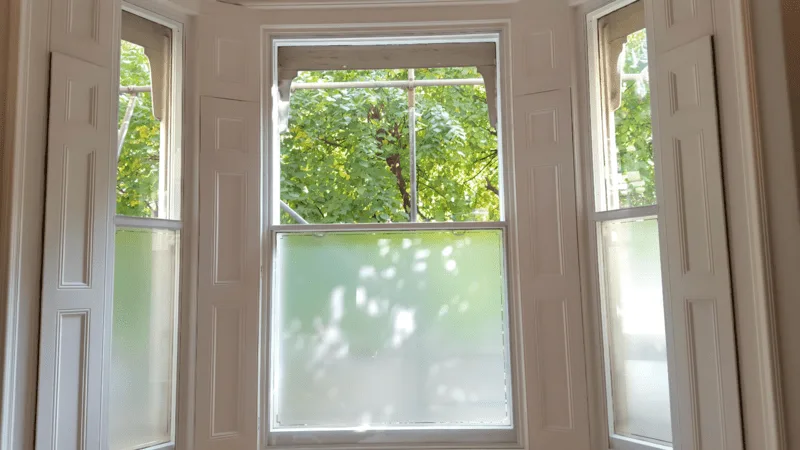
Hinged Units
Side or top-hung for full access. Best acoustic seal of all frame types. Ideal for bedrooms and studios.
Professional Installation vs. DIY Window Inserts
Professional Installation
- Precision-measured to ±1mm tolerances
- Continuous compression seals — no flanking gaps
- 10.8mm Stadip Silence glass available
- 10-year frame & seal guarantee
- FENSA & TrustMark certified
- Up to 54dB noise reduction
From £400/m² installed
DIY Window Inserts
- — Self-measured (±3–5mm typical accuracy)
- — Magnetic or friction seals — some air leakage
- — Usually limited to 4–6mm glass
- — Typically 1-year warranty
- — No accreditation
- — 15–25dB noise reduction
From £150/m² (kit only)
Learn more about removable window inserts.
Accredited & Trusted
Certified
STC Rated
25+ Years
Experience
Lifetime
Warranty
500+
Happy Customers
Get Your Free Acoustic Assessment
Use our Acoustic Calculator for an instant estimate, or book a free on-site survey where our engineer will measure your exact noise levels with calibrated equipment.
Secondary Glazing FAQs
What is the decoupling principle?
Decoupling separates two masses (glass panes) with a wide air gap, preventing vibration transfer. A 150mm cavity shifts the resonance point below 80 Hz, well outside the traffic noise spectrum, achieving up to 54dB reduction.
How much does acoustic secondary glazing cost?
Costs range from £250–400/m² for fixed panels to £400–600/m² for sliding systems. Premium 10.8mm Stadip Silence glass adds approximately £100–200 per window. A typical 6-window London property costs £3,000–£6,000 fully installed.
Can it be installed in listed buildings?
Yes — secondary glazing is fully internal and reversible, requiring no alteration to the external fabric. It is the only approved acoustic solution for Grade I and Grade II listed properties.
How does it compare to double glazing for noise?
Double glazing achieves 20–25dB reduction with its 12–16mm gap. Secondary glazing achieves 35–54dB reduction thanks to its 100–200mm decoupled air gap — significantly more effective for low-frequency traffic noise.
Continue Your Research
Pricing Guide
Transparent pricing for all three acoustic glazing tiers — from £350 to £1,400 per window.
Glass Specifications & STC Ratings
Compare the measured dB reduction of every glass type we specify.
Traffic Noise Solutions
How 10.8mm Stadip Silence glass blocks up to 54dB of A-road noise.
Aircraft Noise Solutions
High-frequency flight path noise from Heathrow and Gatwick — specialist airtight solutions.
City Living Solutions
Slimline acoustic glazing for apartments — sirens, nightlife, and construction noise.
DIY vs Professional Secondary Glazing
Magnetic kits vs professional 10.8mm acoustic laminate — the complete comparison.
Sources & References
Citations could not be generated at this time.