    Back to Complete Guide

    Traffic Noise Reduction Solutions

    Specialized acoustic window solutions for busy roads, motorways, and urban environments. Reduce road noise by up to 95% with STC-rated soundproof windows.

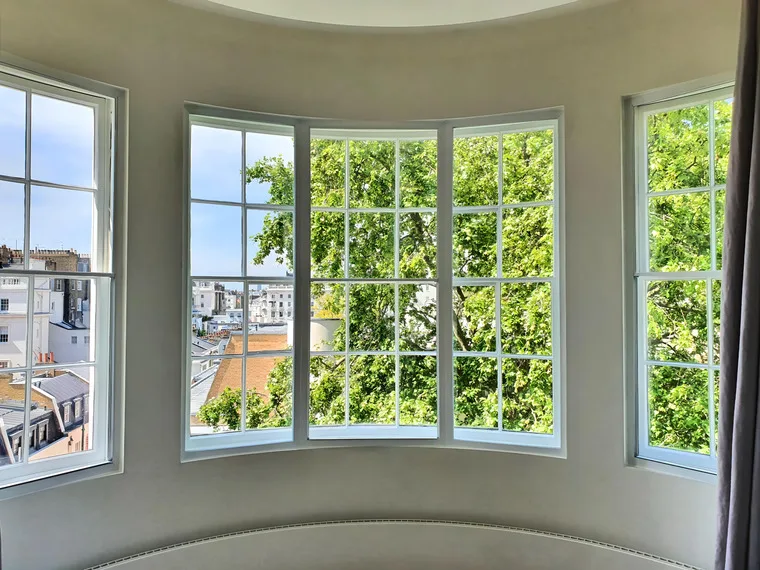
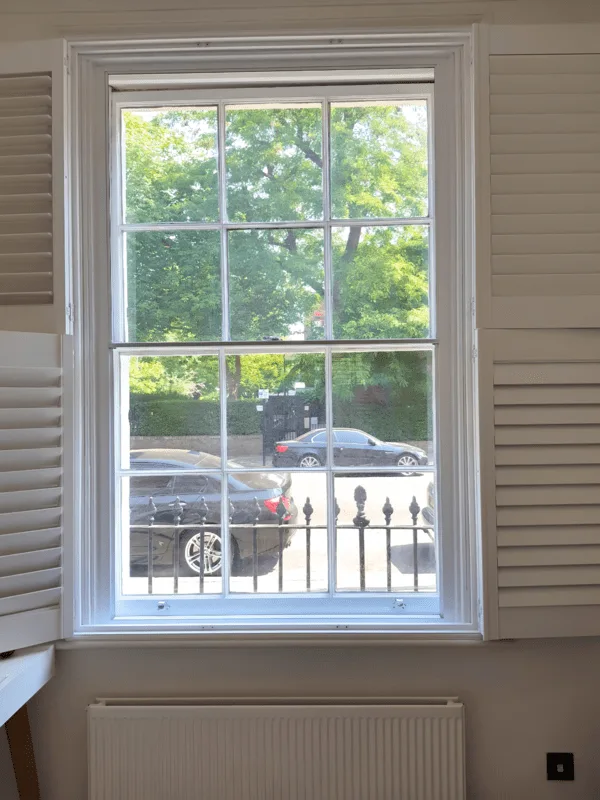
    Soundproof windows facing busy road

    Understanding Traffic Noise

    Traffic noise is one of the most common and disruptive forms of environmental noise pollution. Consisting of mixed frequencies from engine rumble (low), tire noise (mid), and horns/brakes (high), traffic requires specialized acoustic solutions that address the full frequency spectrum. Whether you're dealing with bedroom noise issues or need workplace productivity improvements, the right acoustic windows can transform your environment.

    Noise Levels

    • • Quiet street: 50-60 dB
    • • Busy road: 70-80 dB
    • • Motorway: 80-90 dB
    • • Heavy traffic: 90-100 dB

    Target Reduction

    • • Moderate: 15-20 dB (noticeable)
    • • Significant: 25-35 dB (comfortable)
    • • Maximum: 40-50 dB (library quiet)

    Best Solutions for Traffic Noise

    Laminated Acoustic Glass (Recommended)

    The gold standard for traffic noise. PVB interlayer dampens vibrations across all frequencies.

    Performance:
    • STC 40-48 (double pane)
    • STC 48-55 (triple pane)
    • Reduces traffic by 80-95%
    Best For:
    • Properties on busy roads
    • Near motorways/highways
    • Maximum noise reduction

    Triple Pane with Asymmetric Glass

    Three panes of different thicknesses prevent resonance amplification of traffic frequencies.

    Configuration:
    • 6mm + 8mm + 10mm glass
    • Optimized air gaps
    • Argon gas fill
    Benefits:
    • STC 50-55+
    • Excellent energy efficiency
    • Long-term value

    Secondary Glazing System

    Cost-effective solution adding acoustic layer to existing windows without full replacement. Learn more in our comprehensive secondary glazing guide.

    Setup:
    • 100-150mm air gap
    • 6-10mm laminated glass
    • Acoustic seals
    Advantages:
    • STC 45-50
    • Lower cost (£400-700/m²)
    • Keeps existing windows
    Laminated acoustic glass cross-section

    Choosing Based on Traffic Volume

    🟢 Moderate Traffic (60-70 dB)

    Residential streets with regular but not constant traffic

    Solution: Double glazed with 6.4mm laminated glass + secondary glazing option
    Expected Reduction: 20-30 dB (comfortable indoor environment)
    Investment: £600-900 per window

    🟡 Heavy Traffic (70-85 dB)

    Main roads with constant traffic throughout the day

    Solution: Triple pane with laminated glass or double pane + secondary glazing
    Expected Reduction: 35-45 dB (quiet indoor environment)
    Investment: £900-1,400 per window

    🔴 Extreme Traffic (85+ dB)

    Motorways, highways, or major urban thoroughfares

    Solution: Triple laminated + secondary glazing (quad-pane system)
    Expected Reduction: 45-55 dB (library-quiet indoor space)
    Investment: £1,400-2,000 per window

    Additional Traffic Noise Tips

    Seal gaps thoroughly: Even small air leaks drastically reduce performance. Professional installation crucial.
    Consider ventilation: Trickle vents and acoustic ventilators maintain air quality without compromising noise reduction.
    Address all openings: Don't forget letterboxes, airbricks, and chimney openings that can leak traffic noise.
    Upgrade entire facade: For maximum effect, treat all windows facing the traffic source simultaneously.

    Free Noise Assessment

    We offer free on-site noise assessments with professional decibel meters to measure your exact traffic noise levels and recommend the most cost-effective solution for your specific situation.
    Block Traffic Noise Today

    Get expert advice and a customized solution for your traffic noise problem

    Traffic Noise FAQs

    What STC rating do I need for traffic noise?

    For moderate traffic (50-70 dB), STC 38-42 provides noticeable relief. Busy roads (70-80 dB) require STC 43-48 for comfortable indoor levels. Motorways and highways (80-90+ dB) need STC 49-55+ for maximum effectiveness. Higher ratings deliver exponentially better results.

    Will soundproof windows block all traffic noise?

    No window can block 100% of noise, but quality soundproof windows can reduce traffic noise by 80-95%. Very low-frequency rumble from heavy trucks may still be slightly audible, but overall noise levels will drop to comfortable conversation levels (40-50 dB).

    How do I know which solution is best for my traffic noise level?

    We recommend a professional acoustic assessment to measure your current noise levels and recommend the optimal solution. As a general guide: light traffic needs basic double glazing, busy roads need laminated acoustic glass, and motorways require triple glazing or secondary glazing systems.

    Can I soundproof windows myself for traffic noise?

    DIY window inserts can reduce traffic noise by 70-75% and cost £200-400 per window. However, for maximum traffic noise reduction (85-95%), professional installation of laminated acoustic glass or secondary glazing is recommended to ensure proper sealing and optimal air gaps.

    Sources & References

    Government & Regulatory

    1. Department for Environment, Food & Rural Affairs (Defra). "Noise Policy Statement for England (NPSE)". GOV.UK, 2010.Link

      The primary UK policy document outlining the government's strategy for managing and reducing environmental noise from transportation and industry.

    2. Department for Environment, Food & Rural Affairs (Defra). "Strategic Noise Mapping". Extrium / Defra Data Services, 2019.Link

      Provides interactive noise maps for England, specifically identifying areas affected by high levels of road and rail noise.

    Scientific & Technical

    1. World Health Organization (WHO). "Environmental Noise Guidelines for the European Region". WHO Regional Office for Europe, 2018.Link

      The definitive international guideline establishing the health-based limits for road traffic noise to prevent sleep disturbance and cardiovascular effects.

    2. Sandberg, U. and Ejsmont, J. A.. "Tyre/Road Noise Reference Book". Informex, 2002.

      A comprehensive study detailing how road noise consists of low-frequency engine sounds and high-frequency tyre-road interactions.

    Industry Standards

    1. British Standards Institution (BSI). "BS 8233:2014 Guidance on sound insulation and noise reduction for buildings". BSI Group, 2014.Link

      The British Standard that provides guidance on the sound insulation of buildings and appropriate internal noise levels for residential properties.

    2. Historic England. "Modifying Historic Windows as part of Retrofitting Energy-Saving Measures (Section 4: Noise Insulation)". Historic England Technical Guidance, 2017.Link

      Guidelines on the legal requirements for glazing performance and secondary glazing in listed buildings and conservation areas.

    Citations generated with AI assistance. Please verify sources independently.