Secondary Glazing in St John's Wood & Maida Vale: Heritage Solutions for International Families
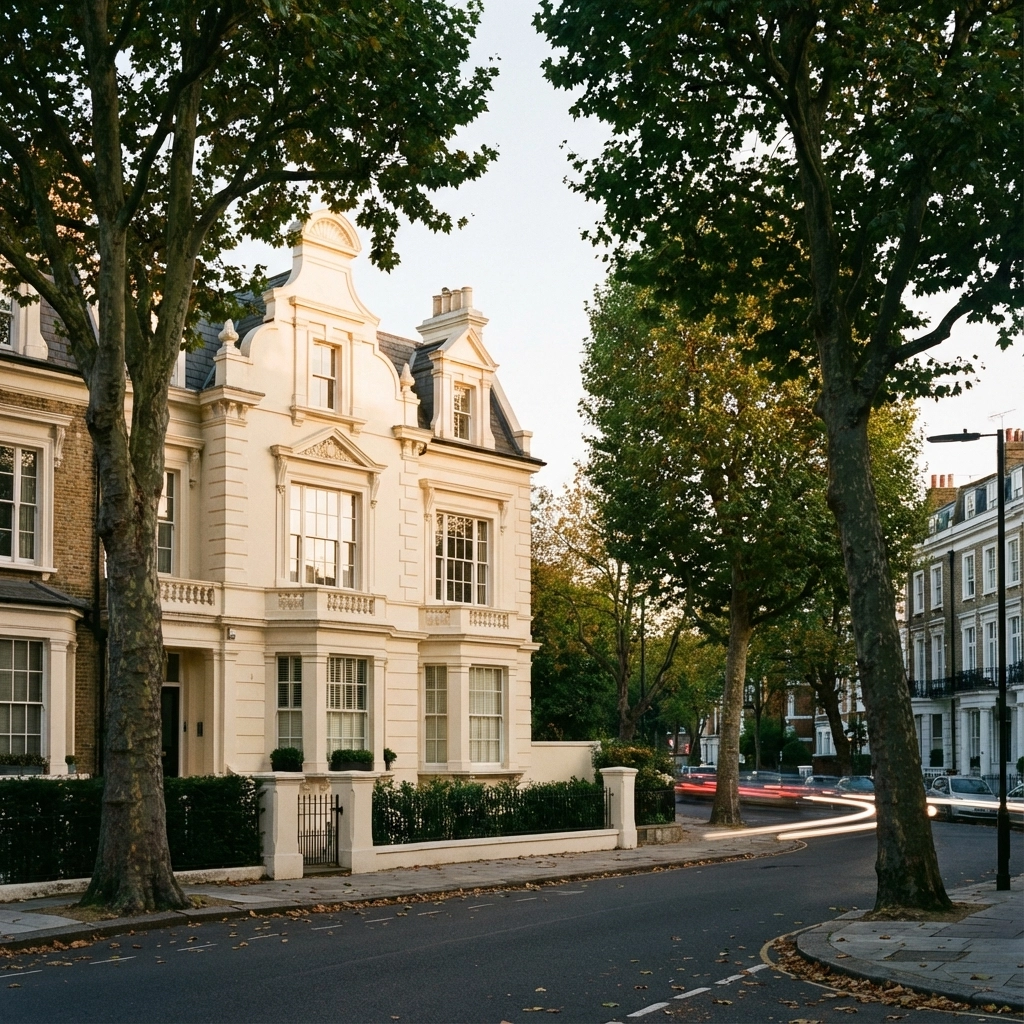
St John's Wood and Maida Vale represent some of London's most coveted residential addresses, where village charm meets metropolitan sophistication. These neighbouring postcodes: NW8 and W9: attract international families seeking the perfect blend of heritage architecture, excellent schools, and canal-side tranquility, all within striking distance of central London. Yet living in these prestigious areas comes with unique challenges that secondary glazing can elegantly solve.
The Character of Two Distinctive Communities
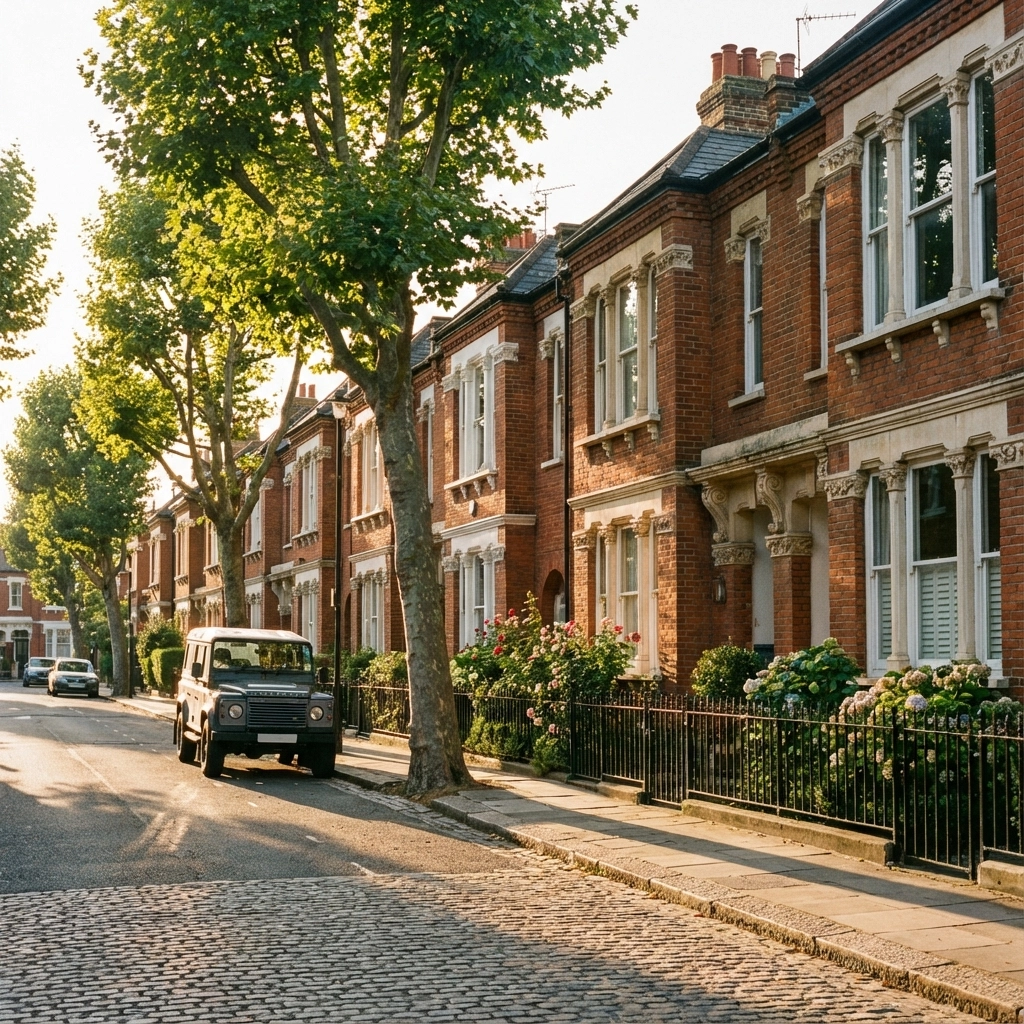
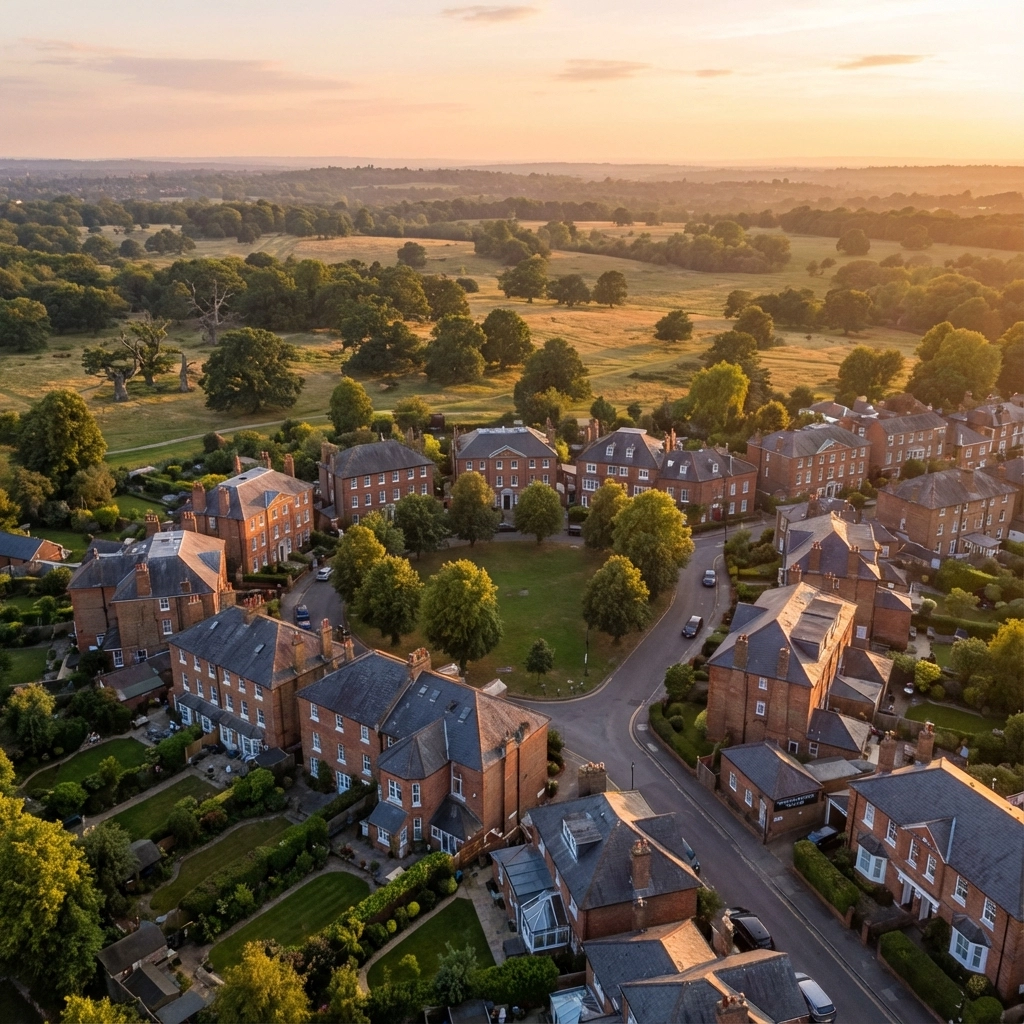
St John's Wood maintains its village-like atmosphere despite being just minutes from Oxford Circus. The area's tree-lined avenues are home to some of London's most sought-after Victorian and Regency villas, many commanding prices between £1.5-5 million. The presence of the American School in London has created a thriving international community, while Lord's Cricket Ground adds cultural gravitas that appeals to both British traditions and global residents seeking authentic London living.
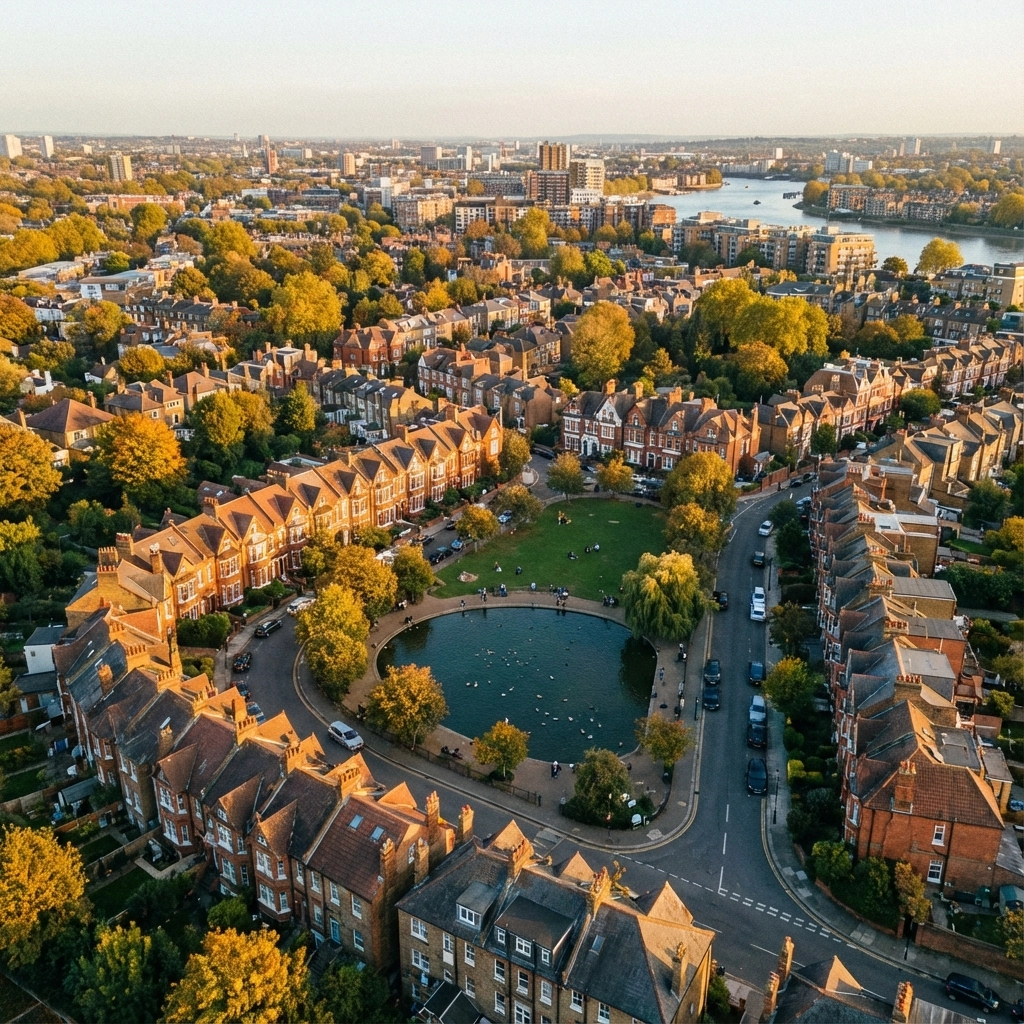
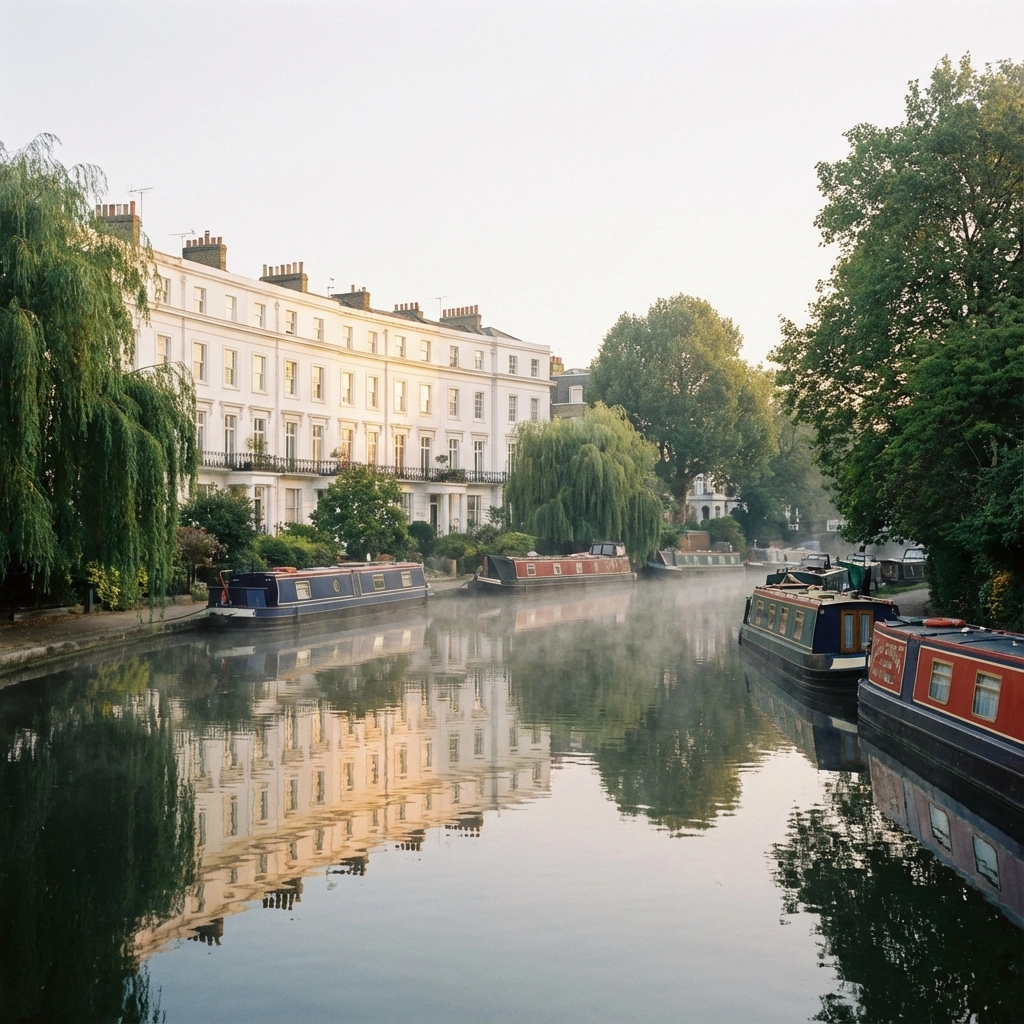
Maida Vale, centered around the famous Little Venice, offers its own distinct charm. The Regency terraces and mansion blocks overlook the tranquil Regent's Canal, creating an almost continental atmosphere that has long attracted writers, artists, and international professionals. The W9 postcode encompasses some of London's most photographed waterside properties, where the gentle lapping of canal boats provides a peaceful counterpoint to urban life.
However, both areas face modern challenges that threaten their residential appeal. Traffic noise from major arterial routes, stringent conservation area restrictions, and the need to maintain period character while achieving contemporary comfort levels create a complex puzzle that secondary glazing uniquely solves.
Noise Challenges in Premium Postcodes
Despite their prestigious addresses, both St John's Wood and Maida Vale contend with significant noise pollution that can impact quality of life. The A41 Wellington Road and Finchley Road create a constant 75-82dB traffic corridor that affects properties throughout St John's Wood, particularly those closest to these major routes. Similarly, the A40 Westway generates substantial noise levels that carry across to parts of Maida Vale, while the increasing density of traffic along Maida Vale itself has transformed what was once a quiet residential street into a busy thoroughfare.
For families paying premium prices for these addresses: particularly international residents who may have moved from quieter suburban environments: traffic noise can be a significant disappointment. Traditional double glazing replacement isn't always possible due to conservation area restrictions, making secondary glazing noise reduction the most practical solution for maintaining both heritage authenticity and residential comfort.
Properties near Lord's Cricket Ground face additional seasonal noise challenges during cricket season, when match days can generate substantial crowd noise and increased traffic. While this adds to the area's character, residents often seek ways to control when they engage with these sounds rather than being subjected to them constantly.
Conservation Area Complexities
Both Westminster City Council (covering much of St John's Wood) and Camden Council (covering Maida Vale) maintain strict conservation area guidelines that protect the architectural heritage these areas are famous for. Many properties are Grade II listed or located within conservation areas where any alterations to original windows require careful consideration and often planning permission.
Secondary glazing for conservation areas offers the perfect solution because it preserves original window frames while dramatically improving thermal and acoustic performance. Unlike replacement windows, secondary glazing is completely reversible and doesn't alter the external appearance of heritage properties: crucial factors for gaining approval from conservation officers.
Historic England recognizes secondary glazing as an appropriate solution for heritage properties, noting that it can improve energy efficiency without compromising historical integrity. This endorsement is particularly valuable for owners of high-value properties who need to balance heritage preservation with modern living standards.
Case Study 1: Victorian Villa Near American School
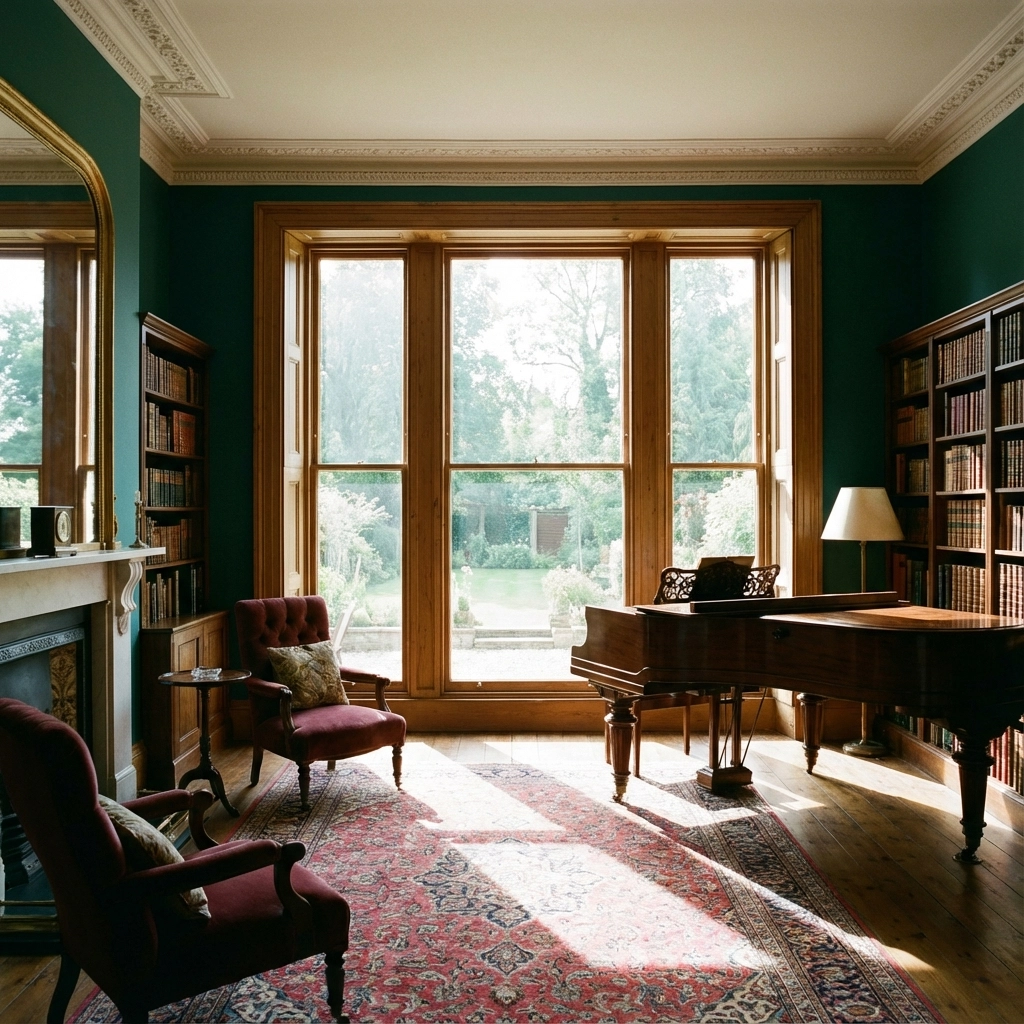
The Henderson family moved from New York to a stunning Victorian villa on Circus Road, attracted by the proximity to the American School in London and the area's reputation for international families. Their £2.8 million property featured original sash windows throughout, creating beautiful period character but proving inadequate for London's traffic noise and temperature fluctuations.
Living just 200 meters from the American School meant dealing with daily traffic from the international school run, while their position near Wellington Road subjected them to constant A41 traffic noise. Their children, aged 8 and 12, struggled with sleep disruption, and the family found they couldn't enjoy their south-facing drawing room during peak traffic hours.
After consulting with heritage window specialists, they chose a comprehensive secondary glazing solution that addressed both noise and thermal issues. The installation included acoustic secondary glazing on street-facing windows and thermal secondary glazing on the quieter garden side.
Challenges Addressed:
- A41 Wellington Road traffic noise reaching 78dB
- Daily school run traffic from American School
- Heat loss through 14 original sash windows
- Children's sleep disruption in front bedrooms
Secondary Glazing Solution:
- Acoustic-grade secondary glazing with 100mm cavity depth
- Slim-profile heritage frames in period white
- Lift-out panels for easy cleaning access
- Magnetic seal systems for optimal performance
Results Achieved:
- 33dB noise reduction (78dB to 45dB)
- 40% reduction in heating costs
- Restored peaceful sleep for children
- Complete conservation compliance
The family particularly appreciated that the secondary glazing could be opened independently for cleaning and ventilation, maintaining the functionality of their original sash windows while providing modern performance benefits. Their experience has been so positive that they've recommended St John's Wood secondary glazing to several other American School families facing similar challenges.
Case Study 2: Regency Terrace Overlooking Little Venice
Dr. Sarah Mitchell, a Canadian consultant working in the City, purchased a Grade II listed Regency terrace house directly overlooking the Regent's Canal in Little Venice. The £3.2 million property offered spectacular canal views and the peaceful atmosphere that initially attracted her to the area. However, the single-glazed Georgian windows that contributed to the property's period charm proved inadequate for year-round comfort.
The property's canal-side position created unique challenges. While the water provided natural sound dampening from one direction, increased pedestrian traffic along the canal towpath and the growing number of canal boats: some with loud engines: created intermittent but disruptive noise patterns. Additionally, the large Georgian windows, while offering stunning views, resulted in significant heat loss during winter months.
Working within strict listed building constraints, Dr. Mitchell's conservation architect recommended secondary glazing specifically designed for heritage properties. The solution needed to preserve the elegant proportions of the Georgian windows while providing substantial performance improvements.
Property Characteristics:
- Grade II listed Regency terrace (c.1840)
- Direct canal frontage with towpath access
- Original Georgian sash windows with glazing bars
- Camden conservation area location
Secondary Glazing Implementation:
- Ultra-slim frames (20mm profile) for minimal visual impact
- Acoustic laminated glass for canal-side elevations
- Preservation of original glazing bar proportions
- Listed building consent obtained
Performance Results:
- Canal boat engine noise reduced to barely noticeable levels
- 55% improvement in thermal efficiency
- Winter heating costs reduced by £600 annually
- Camden conservation approval achieved
The transformation was remarkable. Canal-side noise dropped to barely noticeable levels, allowing Dr. Mitchell to enjoy peaceful mornings with her coffee while watching canal boats pass by. The thermal improvement was equally impressive: her Grade II listed property became genuinely comfortable throughout winter while maintaining its heritage authenticity.
The project received formal approval from Camden's conservation team, demonstrating that even the most sensitive heritage properties can benefit from carefully planned secondary glazing installations. Dr. Mitchell now regularly hosts other Maida Vale residents considering similar solutions, showcasing how heritage preservation and modern comfort can coexist seamlessly.
Case Study 3: Family Home Near Lord's Cricket Ground
The Williams family, relocating from Hong Kong for a three-year London assignment, chose a substantial Edwardian family home on Hamilton Terrace specifically for its proximity to Lord's Cricket Ground and excellent local schools. The £4.1 million property offered everything they sought: space for their three children, easy access to independent schools, and the cultural cachet of living near the home of cricket.
However, their first summer revealed unexpected challenges. Match days brought tremendous atmosphere but also significant crowd noise and increased traffic along their typically quiet residential street. More problematically, the constant background noise from the nearby A41 made it difficult for their youngest child to sleep, while the original Edwardian windows provided insufficient thermal comfort for family members accustomed to Hong Kong's efficient air conditioning systems.
As international residents on a fixed-term assignment, the family needed a solution that would provide immediate benefits without permanent alterations to their rental property. Secondary glazing offered the perfect solution, providing substantial improvements while remaining completely reversible if required.
Unique Requirements:
- Rental property requiring reversible solution
- Match day crowd noise management
- Three children's bedrooms requiring quiet
- Quick installation to minimize settling disruption
Installation Approach:
- Focused on children's bedrooms and main living areas
- Acoustic treatment for street-facing windows
- Thermal secondary glazing for garden elevations
- Complete installation in just 3 days
Family Benefits:
- Peaceful sleep during Test match weekends
- 38dB noise reduction from A41 traffic
- Manageable heating costs despite property size
- Easy adaptation to London living
The family was particularly impressed by how quickly the installation was completed: just three days with minimal disruption to their settling-in process. The noise reduction proved transformational, allowing them to genuinely enjoy the excitement of match days at Lord's while maintaining peaceful sleep for the children.
Perhaps most importantly for international families, the secondary glazing provided a sense of control over their living environment that helped ease the transition to London life. The ability to quickly and quietly adjust ventilation and noise levels made their period property feel more responsive to their family's needs.
Technical Considerations for NW8 and W9 Properties
Properties in St John's Wood and Maida Vale present specific technical challenges that require specialist knowledge to address effectively. Victorian and Regency windows often feature complex glazing bar patterns, varying frame depths, and heritage putty glazing that must be preserved during secondary glazing installation.
The prevalence of sash windows in both areas requires particular expertise, as secondary glazing must be designed to work with the sliding mechanism while providing adequate sealing around the moving elements. Many properties feature curved bay windows: particularly common in Victorian villas: that require bespoke secondary glazing solutions to maintain both performance and aesthetic integrity.
| Property Era | Window Type | Typical Challenges | Secondary Glazing Approach |
|---|---|---|---|
| Regency (1800-1840) | Georgian sash | Delicate glazing bars, listed status | Ultra-slim profiles, listed consent |
| Victorian (1840-1901) | Sash & bay windows | Complex configurations, conservation | Heritage-matched frames |
| Edwardian (1901-1910) | Large casements | Heat loss, draft ingress | Thermal focus with acoustic option |
| Inter-war (1920-1940) | Metal frames | Condensation, poor sealing | Specialist metal-compatible systems |
Conservation area requirements vary slightly between Westminster and Camden councils, but both require installations to be virtually invisible from street view and completely reversible. This necessitates careful frame color matching and the use of slim-profile systems that don't alter window proportions when viewed from outside.
For canal-side properties in Maida Vale, additional considerations include managing condensation risks due to higher humidity levels and ensuring that secondary glazing doesn't interfere with any flood defense mechanisms that may be present at water level properties.
International Community Considerations
The strong international presence in both St John's Wood and Maida Vale creates unique requirements that specialist secondary glazing providers understand well. Many international families are accustomed to higher standards of acoustic comfort than traditional British housing provides, particularly regarding traffic noise management.
American families, in particular, often come from suburban environments with significantly lower ambient noise levels, making the transition to London traffic noise particularly challenging. Acoustic secondary glazing solutions can reduce external noise by up to 80%, creating the quiet residential environment these families expect.
European expatriate families often prioritize thermal efficiency, having experienced continental standards of insulation and heating efficiency. Secondary glazing can improve thermal performance to levels that make heritage properties comparable to modern European housing standards while maintaining their period character.
For families on fixed-term international assignments, the reversible nature of secondary glazing provides peace of mind that property improvements won't create complications when their assignment ends. Many international families also appreciate the quick installation process, allowing them to settle into comfortable living conditions without extended disruption during their initial weeks in London.
Seasonal Benefits and Cricket Culture
Living near Lord's Cricket Ground brings unique seasonal patterns that secondary glazing can help manage. During cricket season, match days create a festival atmosphere that many residents genuinely enjoy: but being able to control noise levels allows families to engage with this atmosphere on their own terms rather than being subjected to it constantly.
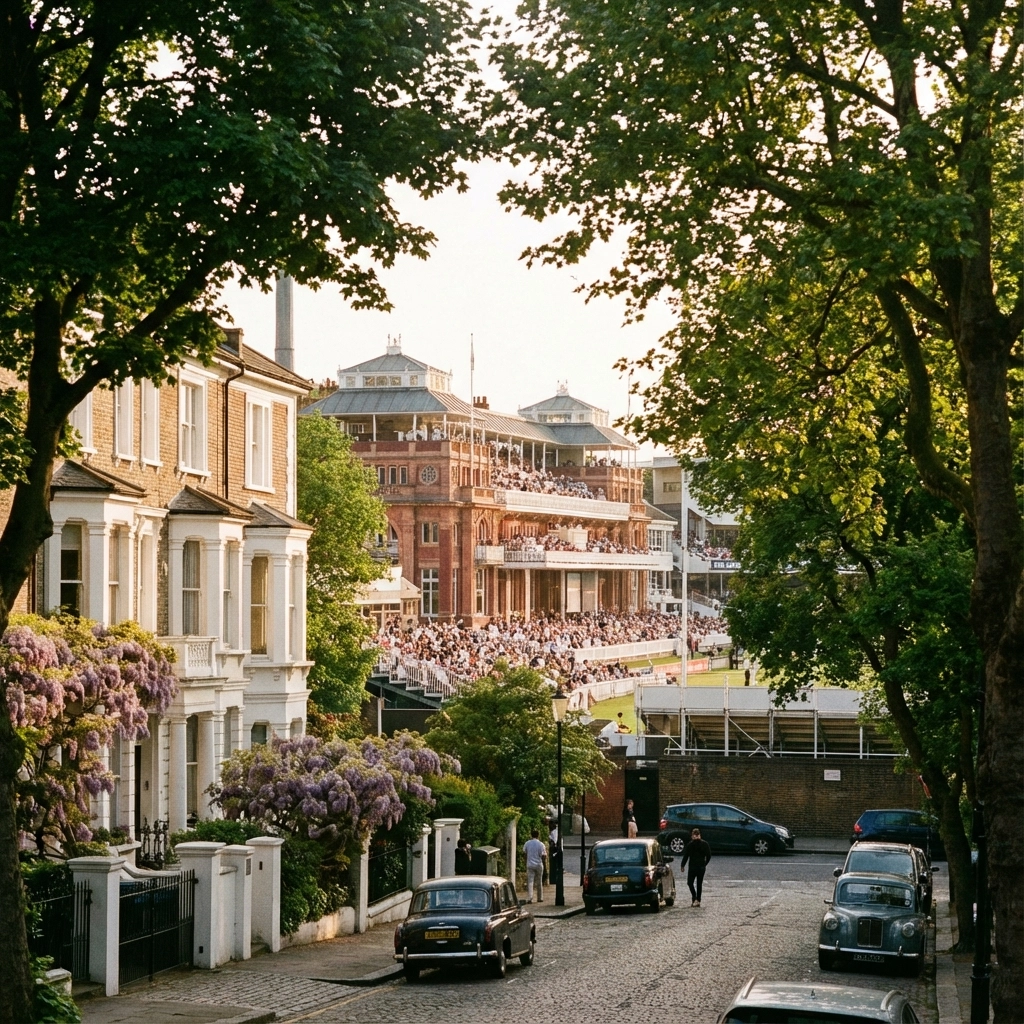
The summer cricket schedule typically runs from April through September, with Test matches, One Day Internationals, and county championships creating varying levels of crowd noise and traffic disruption. Secondary glazing allows residents to enjoy the sounds of cricket when desired while maintaining peaceful conditions for children's bedtimes, conference calls, or simply quiet family time.
Many St John's Wood residents report that secondary glazing has actually enhanced their enjoyment of living near Lord's, as they can choose when to open windows and embrace the cricket atmosphere rather than feeling overwhelmed by constant noise during match periods.
Future-Proofing Heritage Homes
As London continues to evolve, properties in St John's Wood and Maida Vale face increasing challenges from traffic density, construction projects, and changing climate patterns. Secondary glazing provides a future-proof solution that adapts to these changing conditions while preserving the heritage character that makes these areas so desirable.
Recent developments like the Elizabeth Line have improved transport links but also increased property values and development pressure in surrounding areas. This often translates to more construction noise and disruption, which secondary glazing helps manage effectively.
Climate change is bringing more extreme weather patterns to London, including hotter summers and colder winters. The thermal benefits of secondary glazing help properties cope with these temperature extremes while reducing energy consumption: increasingly important as utility costs rise and environmental consciousness grows among affluent homeowners.
Planning and Installation Process
For properties in Westminster and Camden conservation areas, the planning process for secondary glazing typically involves consultation with conservation officers to ensure proposed solutions meet heritage requirements. Most secondary glazing installations qualify as permitted development, but early consultation helps avoid delays and ensures installations meet local guidelines.
Heritage Assessment Process:
- Conservation area compliance verification
- Listed building status confirmation
- Window condition survey
- Acoustic and thermal performance analysis
- Bespoke specification development
Installation Timeline:
- Day 1: Frame installation and fitting
- Day 2: Glazing and sealing
- Day 3: Final adjustments and handover
- Minimal disruption to daily routines
Professional heritage assessments help property owners understand their options and requirements before committing to specific solutions. These assessments consider factors including conservation area status, listed building requirements, window conditions, and specific performance needs.
Installation typically takes 1-3 days depending on property size and complexity, with minimal disruption to daily routines. Professional installers understand the importance of maintaining quiet working practices in residential areas where neighbors value peace and discretion.
Investment Value and Property Enhancement
For properties valued between £1.5-5 million, secondary glazing represents a relatively modest investment that delivers substantial benefits in terms of comfort, energy efficiency, and long-term property value. Many estate agents in St John's Wood and Maida Vale now recognize secondary glazing as a valuable selling point, particularly for international buyers who prioritize acoustic comfort and thermal efficiency.
| Property Value | Typical Investment | Annual Energy Savings | Payback Period |
|---|---|---|---|
| £1.5M - £2M | £8,000 - £12,000 | £400 - £600 | 15-20 years |
| £2M - £3M | £12,000 - £18,000 | £500 - £800 | 15-22 years |
| £3M - £5M | £18,000 - £30,000 | £600 - £1,000 | 18-30 years |
The reversible nature of secondary glazing means it adds value without creating any heritage complications for future sales. Properties with well-executed secondary glazing installations often command premium prices from buyers who understand the immediate benefits of improved acoustic and thermal performance.
For rental properties popular with international tenants, secondary glazing can justify higher rental rates while reducing tenant turnover by addressing common comfort complaints about noise and temperature control in period properties.
Whether you're an international family seeking the perfect London home environment or a long-term resident looking to enhance your heritage property's comfort and efficiency, secondary glazing offers an elegant solution that respects the past while embracing modern living standards. In the prestigious postcodes of NW8 and W9, where heritage meets contemporary luxury, secondary glazing helps create homes that truly offer the best of both worlds.
The combination of village charm, international sophistication, and canal-side tranquility that defines St John's Wood and Maida Vale becomes even more appealing when enhanced by the acoustic and thermal benefits of professional secondary glazing. For those ready to explore how secondary glazing can transform their heritage home, contact us today for your free heritage assessment and discover how we can enhance your period property while preserving its unique character.
Sources & References
Citations could not be generated at this time.
People Also Ask
Related questions could not be generated at this time.
Frequently Asked Questions
FAQs could not be generated at this time.