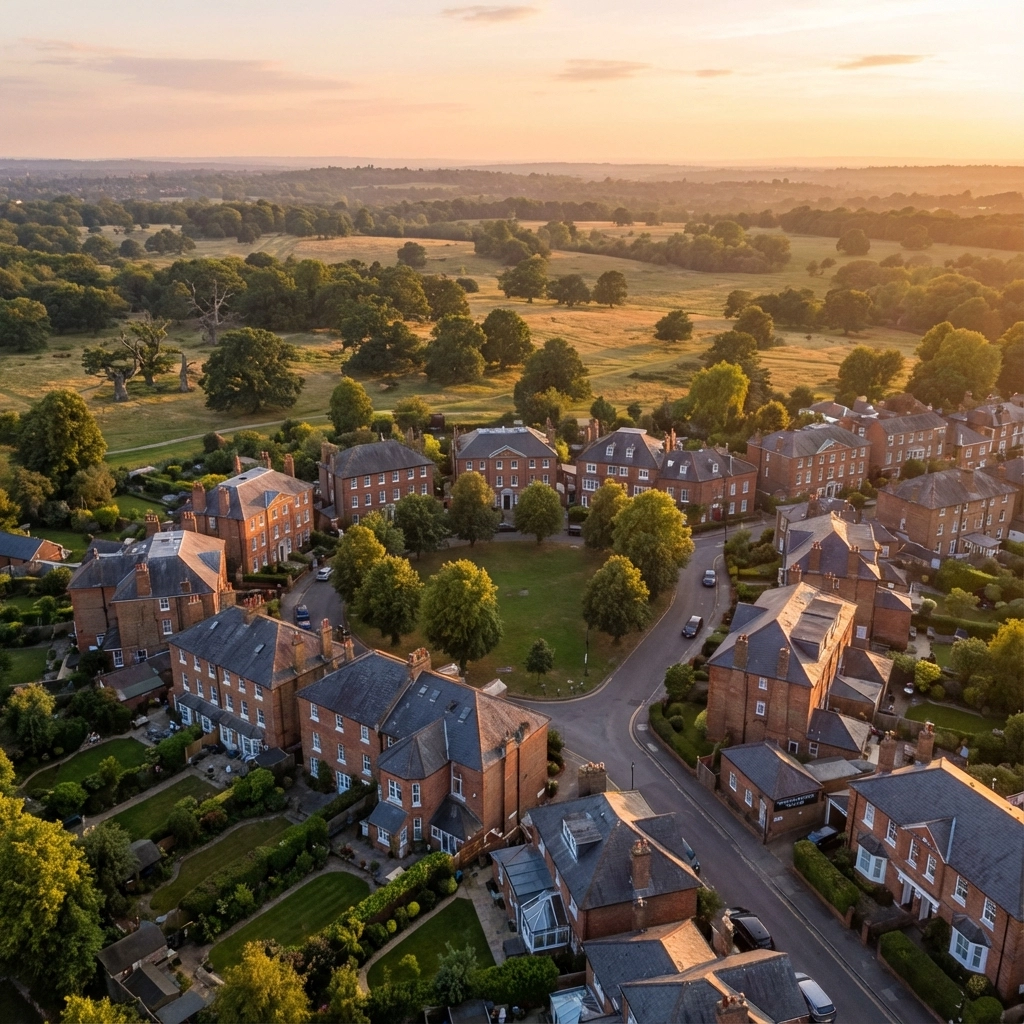
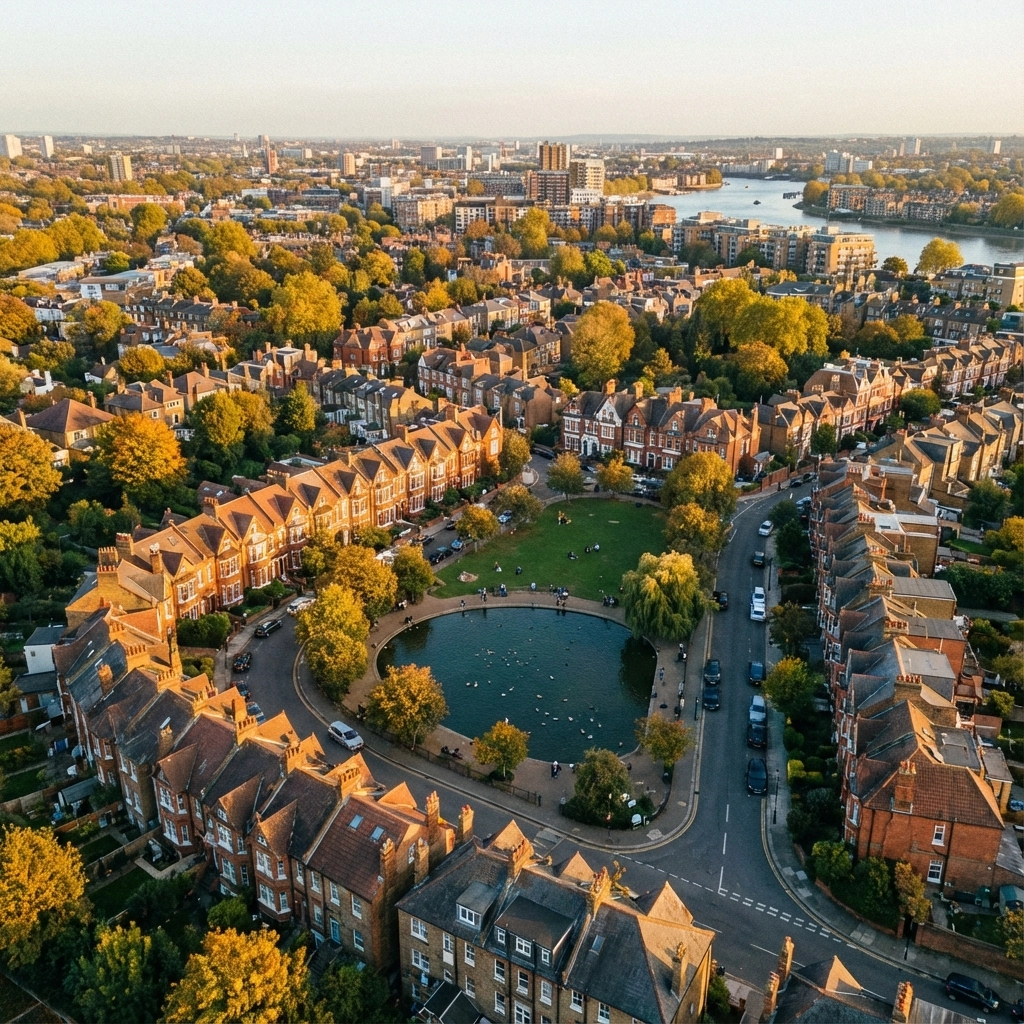
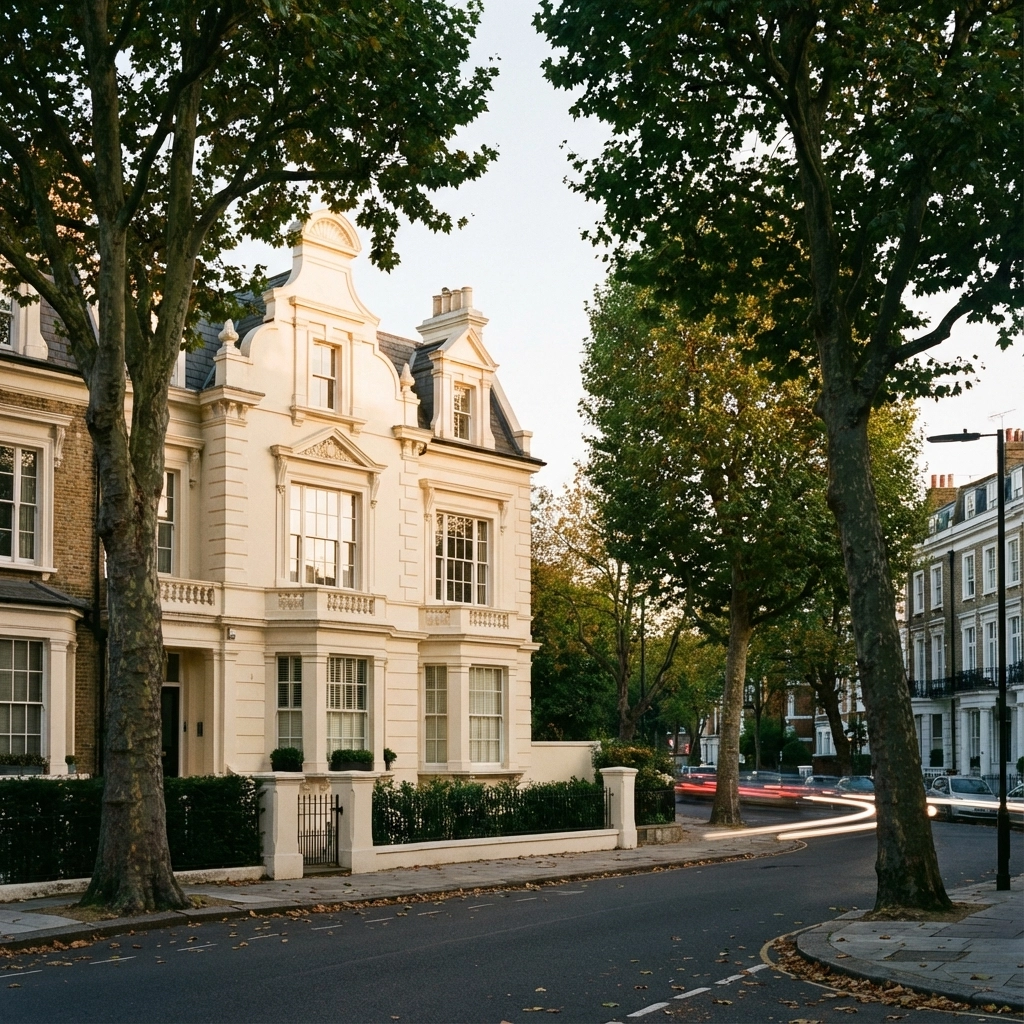
Secondary Glazing in Fulham & Parsons Green: Heritage Solutions for Thames-Side Living
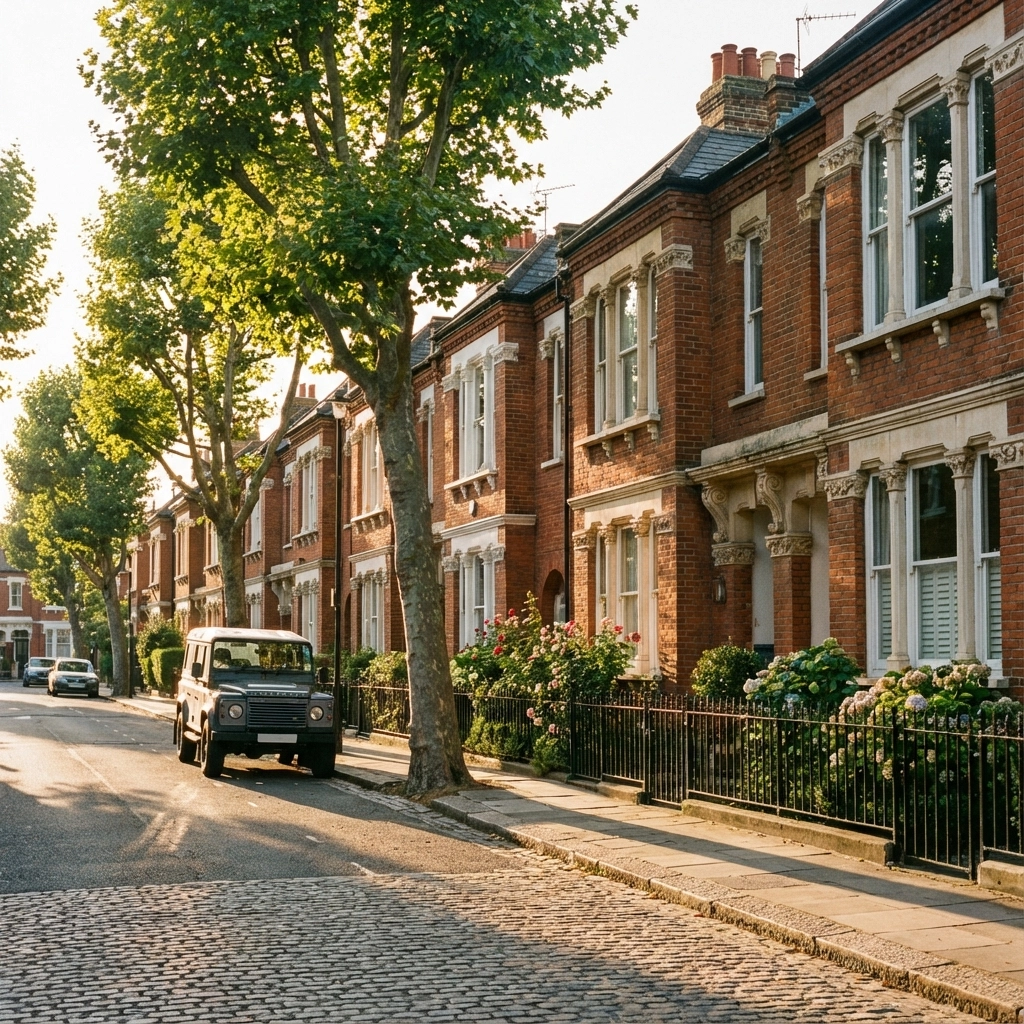
Living in SW6 means enjoying some of London's most desirable riverside locations, from the village charm of Parsons Green to the Thames-side sophistication of Fulham proper. But with that prime location comes unique challenges: particularly when you're dealing with historic Victorian and Edwardian properties that weren't designed for modern noise levels or energy efficiency standards. For a quick overview of noise hotspots and conservation area solutions, visit our Fulham secondary glazing area page.
Whether you're settling into a period terrace near Parsons Green tube or upgrading a Thames-facing property with views of Craven Cottage, secondary glazing offers the perfect solution for preserving your home's character while dramatically improving comfort, energy efficiency, and peace of mind.
Why SW6 Properties Need Specialized Solutions
Fulham and Parsons Green represent a fascinating blend of London living: you've got the village atmosphere of streets like Parsons Green Lane and Eel Brook Common, combined with the urban reality of major transport arteries like the A4 and Fulham Road cutting through the area. This creates a unique set of challenges that standard home improvement solutions often can't address effectively.
The area's appeal to young families and professionals upgrading from smaller properties means there's a real focus on making period homes work for modern lifestyles. You want the character and space that drew you to SW6 in the first place, but you also need practical solutions for noise, energy costs, and year-round comfort.
For many residents, secondary glazing in Fulham represents the ideal compromise: enhancing your home's performance without compromising its heritage appeal or triggering complex planning applications.
Understanding SW6's Heritage Landscape
The character that makes Fulham and Parsons Green so appealing also creates specific considerations when it comes to home improvements. Much of the area falls within Hammersmith & Fulham's conservation zones, where any external alterations need careful consideration.
According to Historic England guidelines, properties within conservation areas require sympathetic treatment that preserves their architectural integrity. This is where conservation area secondary glazing becomes invaluable: it delivers modern performance benefits while maintaining the original window appearance that defines the area's character.
The Victorian and Edwardian terraces that line streets from New Kings Road to the riverside were built during an era when single-glazed sash windows were the height of sophistication. Today, those same windows are often the weakest link in your home's thermal envelope and noise defenses.
The Planning Advantage
One of the biggest advantages of secondary glazing for Victorian windows is that it typically doesn't require planning permission. Because the installation is internal and completely reversible, it leaves the original windows: and your property's street appeal: completely unchanged.
This is particularly important in SW6, where properties regularly command £800k to £2.5m+ and maintaining character features directly impacts value. You get all the benefits of modern glazing performance without any risk to your property's heritage status or resale appeal.
Tackling SW6's Noise Challenges
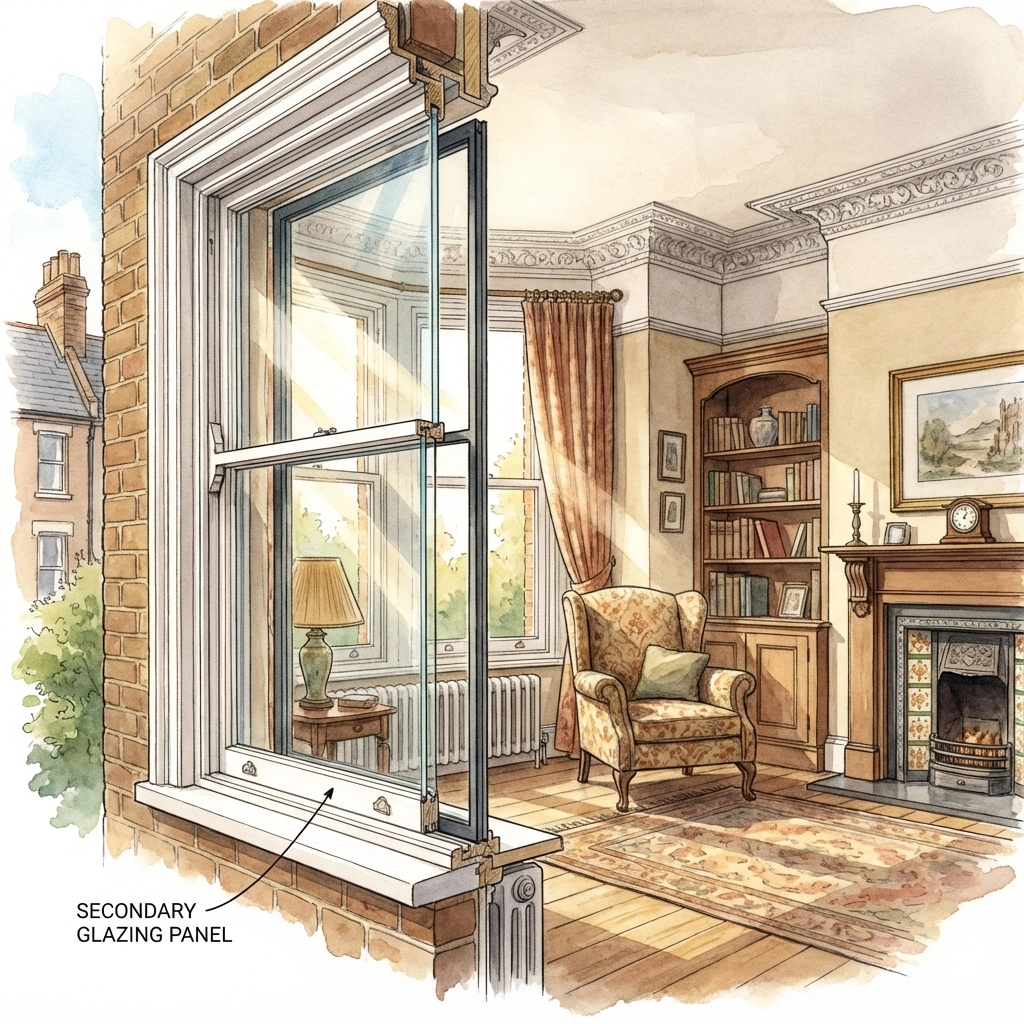
Living in Fulham and Parsons Green means dealing with some significant noise challenges that affect quality of life, particularly for families with young children or professionals working from home.
The A4 Corridor Challenge
The A4 and Talgarth Road create a major noise corridor through the area, with traffic levels regularly hitting 78-85dB during peak hours. For properties on streets like Dawes Road, Munster Road, or anywhere near the Hammersmith flyover approach, this constant drone can make it difficult to enjoy your home fully.
Professional traffic noise reduction through secondary glazing can reduce these noise levels by 70-80%, transforming rooms from barely usable during rush hours to comfortable living spaces throughout the day.
Local Traffic Hotspots
Beyond the major arteries, several local roads create ongoing noise issues:
| Road | Primary Noise Source | Typical dB Level | Peak Hours |
|---|---|---|---|
| Fulham Road | Bus traffic, commercial vehicles | 72-78dB | 7am-7pm |
| New Kings Road | Shopping traffic, deliveries | 68-75dB | 9am-6pm |
| Putney Bridge approach | Commuter traffic | 70-78dB | 7-9am, 5-7pm |
| Fulham Broadway area | Underground rumble + surface traffic | 65-72dB | Throughout day |
For residents dealing with these localized noise issues, secondary glazing in Parsons Green offers targeted solutions that address specific noise patterns without requiring whole-house renovations.
The Match Day Factor
Living near Craven Cottage means dealing with periodic but intense noise from football crowds, particularly during evening matches or weekend games. While this is part of the area's character and community spirit, it can be disruptive for families with young children or anyone trying to maintain a peaceful home environment.
Secondary glazing provides an effective buffer against crowd noise while still allowing residents to enjoy the atmosphere when they choose to open windows during matches.
Case Study 1: Victorian Terrace in Parsons Green Village
Property: Four-bedroom Victorian terrace on Parsons Green Lane Value: £1.6 million Challenge: Street-facing rooms affected by local traffic and proximity to tube line Solution: Full secondary glazing installation on front elevation
Sarah and James moved to their Victorian terrace near Parsons Green tube specifically for the village atmosphere and excellent transport links. However, they quickly realized that the charm came with a cost: noise from both local traffic and the underground line made it difficult to use their front reception rooms comfortably.
"We loved the high ceilings and period features, but the living room was basically unusable during rush hours," Sarah explains. "With two young children, we needed those rooms to work for family life, not just look beautiful."
After consulting with secondary glazing specialists in Fulham, they opted for a comprehensive solution covering all street-facing windows. The installation used slim-profile frames that complemented their original sash windows while creating the acoustic barrier they needed.
Challenges Addressed:
- Street traffic noise reaching 68dB in living room
- Underground rumble from nearby tube line
- Heat loss through 8 original sash windows
- Conservation area restrictions on external changes
Secondary Glazing Solution:
- Slim-profile frames matching original sash proportions
- Acoustic glass targeting traffic and underground frequencies
- Easy-lift mechanisms for ventilation access
- Heritage white finish complementing original paintwork
Results Achieved:
- Noise reduction from 68dB to 45dB in front rooms
- 35% reduction in heating costs
- Full use of front reception rooms restored
- Conservation area compliance maintained
"The difference is incredible," James notes. "We can have normal conversations in the front room now, even during rush hour. And the energy savings are noticeable: our heating bills have dropped significantly."
Case Study 2: Thames-Facing Property in Riverside Fulham
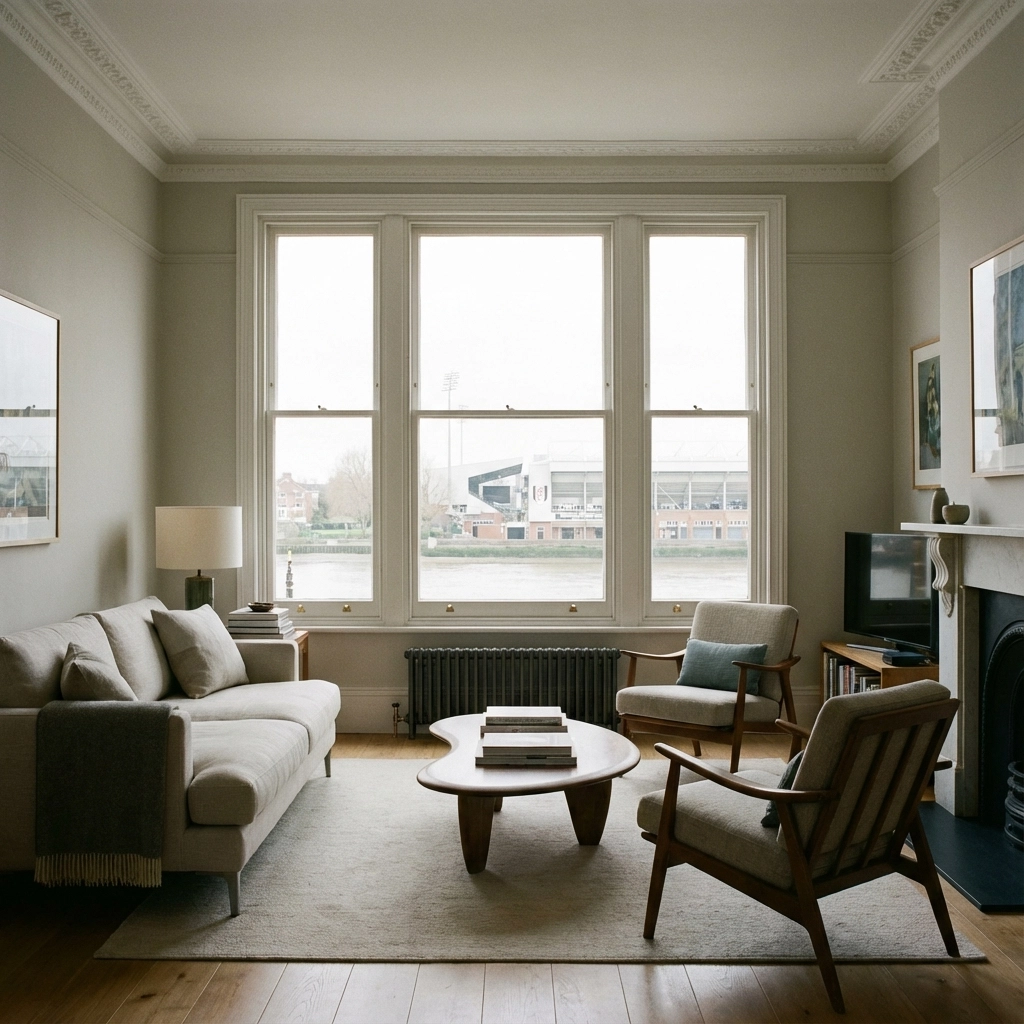
Property: Edwardian conversion flat with Thames views near Fulham FC Value: £950,000 Challenge: River noise, match day crowds, and thermal efficiency in period building Solution: Acoustic secondary glazing with thermal enhancement
Michael and Lucy's ground-floor flat in a converted Edwardian mansion offers stunning Thames views and easy access to both the river path and Craven Cottage. However, the river location brought unexpected challenges: not just crowd noise on match days, but constant low-level noise from river traffic and the ongoing rumble from the nearby railway bridge.
"We thought riverside living would be peaceful," Lucy explains, "but between the boat traffic, trains, and football crowds, it was actually quite noisy. Plus, those beautiful original windows were incredibly drafty."
The couple worked with specialists to develop a comprehensive Fulham secondary glazing solution that addressed both acoustic and thermal issues. The installation included high-performance acoustic glass with enhanced thermal properties, specifically designed to handle the varied noise challenges of riverside living.
Property Characteristics:
- Grade II listed Edwardian mansion conversion
- Direct Thames frontage with river views
- Proximity to Craven Cottage (300 meters)
- Railway bridge noise transmission
Secondary Glazing Implementation:
- High-performance acoustic glass for varied frequencies
- Enhanced thermal properties for drafty period windows
- Coordination with building management company
- Heritage assessment compliance achieved
Lifestyle Benefits:
- Thames views enjoyed in peace year-round
- Match day noise controllable by choice
- Reduced condensation and improved temperatures
- Building's heritage status fully preserved
"Now we can actually enjoy our Thames views in peace," Michael says. "Even on match days, we can choose whether to open up and join the atmosphere or keep things quiet for a relaxing evening at home."
Case Study 3: Edwardian Family Home Near Eel Brook Common
Property: Five-bedroom Edwardian house on quiet residential street Value: £2.1 million Challenge: A4 noise transmission, energy efficiency for large family home Solution: Selective secondary glazing focused on noise-affected elevations
The Peterson family's Edwardian house near Eel Brook Common offers the perfect combination of space, green access, and good schools that makes SW6 so popular with young families. However, despite being on a quiet residential street, the property suffered from significant noise transmission from the nearby A4 corridor.
"The house is perfect for our family: great schools nearby, the common for the kids to play, and enough space for everyone," explains Emma Peterson. "But the background traffic noise was constant, especially in the bedrooms facing the main road."
Rather than a whole-house approach, the family opted for strategic secondary glazing in areas most affected by noise. This focused solution targeted the A4-facing elevation while leaving street-facing windows unchanged, creating a cost-effective approach that solved the specific problem without unnecessary expense.
Unique Challenges:
- A4 noise transmission despite distance from road
- Large property with multiple bedrooms affected
- Energy efficiency concerns for 5-bedroom house
- Budget optimization for maximum impact
Specialized Solution:
- Strategic installation on A4-facing elevation only
- Children's bedrooms prioritized for acoustic treatment
- Home office equipped for professional video calls
- Phased installation around school schedule
Family Benefits:
- Children's sleep quality dramatically improved
- Back bedrooms now usable as quiet study spaces
- Significant heating cost reduction
- Optimized budget with targeted approach
"It's made such a difference to family life," Emma notes. "The kids sleep better, we can use the back bedrooms as quiet study spaces, and the energy savings help with the bills for heating such a large house."
Technical Benefits for SW6 Properties
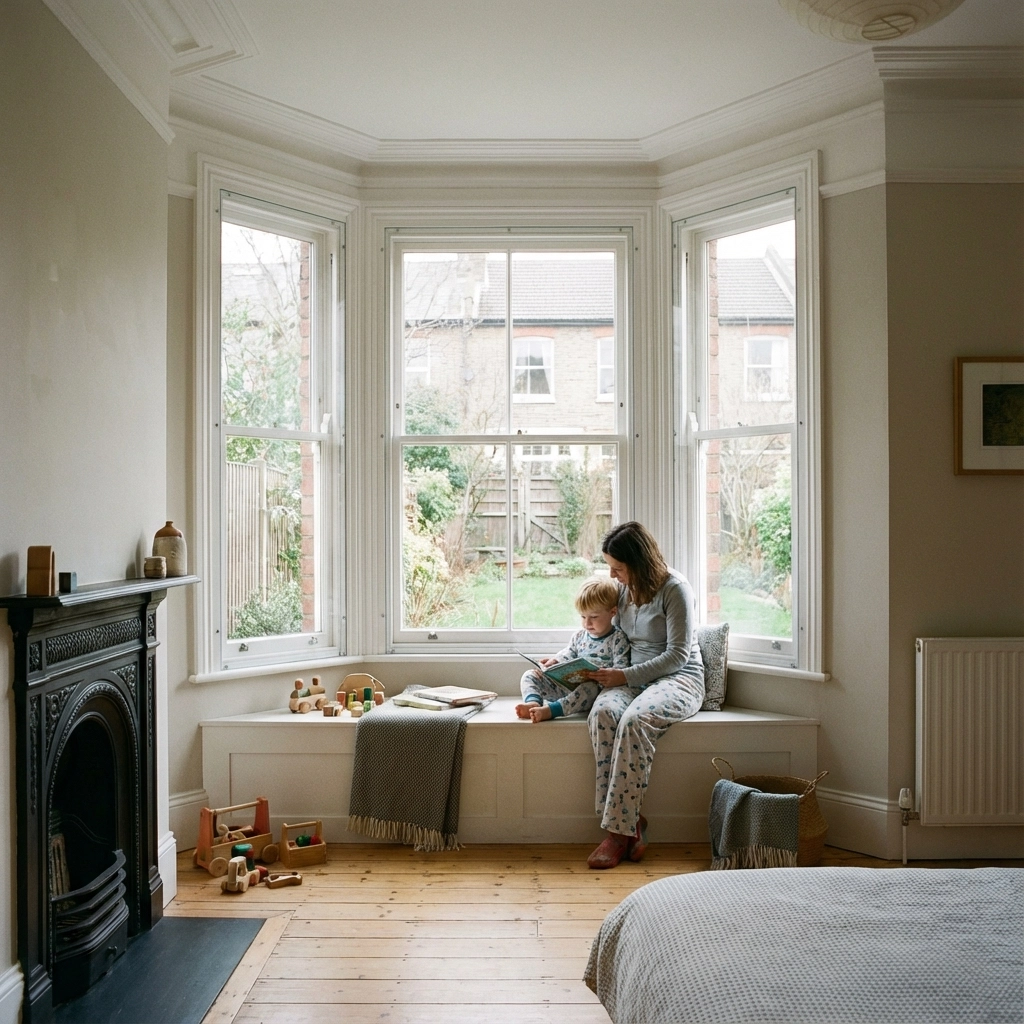
Acoustic Performance
Secondary glazing can reduce noise transmission by 70-80% when properly installed, transforming SW6 properties from noise-affected to peacefully quiet. This is particularly valuable for:
- Home working spaces: Essential for the many professionals choosing to work flexibly
- Children's bedrooms: Critical for family life in busy urban locations
- Reception rooms: Allowing full use of period living spaces
The acoustic benefits are immediately noticeable and don't diminish over time, making secondary glazing a long-term solution rather than a temporary fix.
Thermal Efficiency
Victorian and Edwardian properties can see thermal efficiency improvements of 60%+ with quality secondary glazing. In practical terms, this means:
| Benefit | Typical Improvement | Impact |
|---|---|---|
| Heat loss reduction | 50-65% | Lower heating bills |
| Temperature consistency | Significant | Comfortable year-round |
| Cold spot elimination | Complete | Usable window seats |
| Condensation reduction | 80%+ | Protected window frames |
For families upgrading to larger SW6 properties, these efficiency gains can make the difference between affordable and expensive ongoing costs.
Security Enhancement
Secondary glazing adds an additional physical barrier that enhances security without changing your property's external appearance. This is particularly valuable for ground-floor properties or those with accessible rear gardens common in the area.
Heritage Considerations and Conservation Areas
Working within SW6's conservation areas requires careful attention to heritage requirements, but secondary glazing offers unique advantages for period property owners.
Maintaining Original Character
Unlike replacement windows, secondary glazing preserves original window features completely. This includes:
- Original sash window operation and appearance
- Historic glazing bars and proportions
- Period hardware and window furniture
- Architectural details that define property character
For conservation area requirements, this preservation of original features is often the deciding factor in gaining approval for improvements.
Reversibility
One of secondary glazing's key advantages is complete reversibility. If circumstances change or different solutions become available, the installation can be removed without any impact on the original windows or property structure.
This reversibility provides peace of mind for property owners concerned about future flexibility or potential planning complications.
Investment Value for SW6 Properties
| Property Value Range | Typical Investment | Annual Energy Savings | Estimated Value Added |
|---|---|---|---|
| £800k - £1.2M | £6,000 - £12,000 | £250 - £450 | £20,000 - £35,000 |
| £1.2M - £1.8M | £10,000 - £18,000 | £350 - £600 | £30,000 - £50,000 |
| £1.8M - £2.5M+ | £15,000 - £25,000 | £450 - £800 | £45,000 - £70,000 |
Secondary glazing represents excellent value for SW6 property owners, typically delivering:
- Immediate comfort improvements
- Ongoing energy savings
- Enhanced property appeal for future buyers
- Protection of heritage features that maintain property value
Flexible Solutions
Rather than requiring whole-house installation, secondary glazing can be implemented room-by-room or elevation-by-elevation, allowing families to prioritize based on budget and immediate needs.
The Installation Process in SW6
Initial Assessment
Professional secondary glazing begins with a comprehensive property assessment that considers:
- Specific noise challenges affecting your street or property
- Heritage requirements and conservation considerations
- Energy efficiency priorities for your specific property type
- Family lifestyle requirements and usage patterns
Design and Planning
Each installation is custom-designed to match your property's specific window configurations and performance requirements. This includes selecting appropriate glass types, frame profiles, and operation mechanisms.
Professional Installation
Installation typically takes 1-2 days for most SW6 properties, with minimal disruption to daily life. The process is designed to work around family schedules and school routines.
Making Secondary Glazing Work for Your SW6 Home
Identifying Your Priorities
The first step is understanding your specific challenges:
- Which rooms are most affected by noise?
- Where are the biggest thermal efficiency issues?
- What heritage considerations affect your property?
- How does your budget align with potential solutions?
Working with Local Specialists
Secondary glazing installers with Fulham experience understand the specific challenges and opportunities of SW6 properties. They can provide targeted solutions that work within local planning requirements while delivering maximum benefit for your investment.
Planning for the Future
Secondary glazing is a long-term solution that grows more valuable over time. As energy costs continue rising and noise levels in urban areas increase, the performance benefits become increasingly important for property value and quality of life.
The combination of SW6's desirable location, period property appeal, and the practical benefits of modern secondary glazing creates an ideal opportunity for enhancing both comfort and value. Whether you're dealing with A4 noise, river-side acoustic challenges, or simply want to make your Victorian or Edwardian home more energy-efficient, secondary glazing offers the perfect solution for Thames-side living.
For Fulham and Parsons Green residents ready to transform their period properties, contact us today for your free heritage assessment and discover how secondary glazing can address your specific property's challenges while preserving its heritage character.
Sources & References
Citations could not be generated at this time.
People Also Ask
Related questions could not be generated at this time.
Frequently Asked Questions
FAQs could not be generated at this time.