Secondary Glazing in Dulwich & Herne Hill: Victorian Elegance Meets Modern Comfort
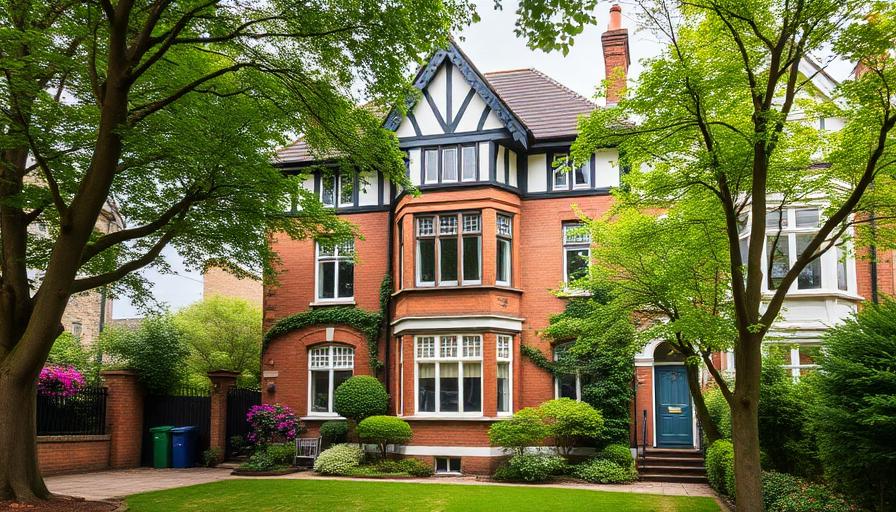
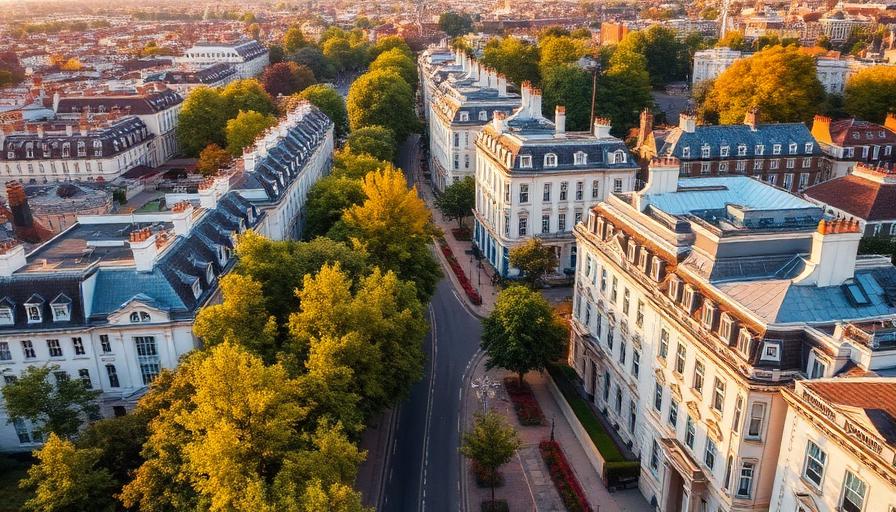
Dulwich and Herne Hill represent South London's most refined residential enclaves. From the immaculate village atmosphere around Dulwich Picture Gallery to the bohemian creative energy of Herne Hill's café culture, SE21 and SE24 offer that rare combination of suburban tranquility and genuine London character. The tree-lined streets, award-winning schools, and proximity to green spaces make these postcodes magnets for families seeking quality of life without sacrificing urban convenience.
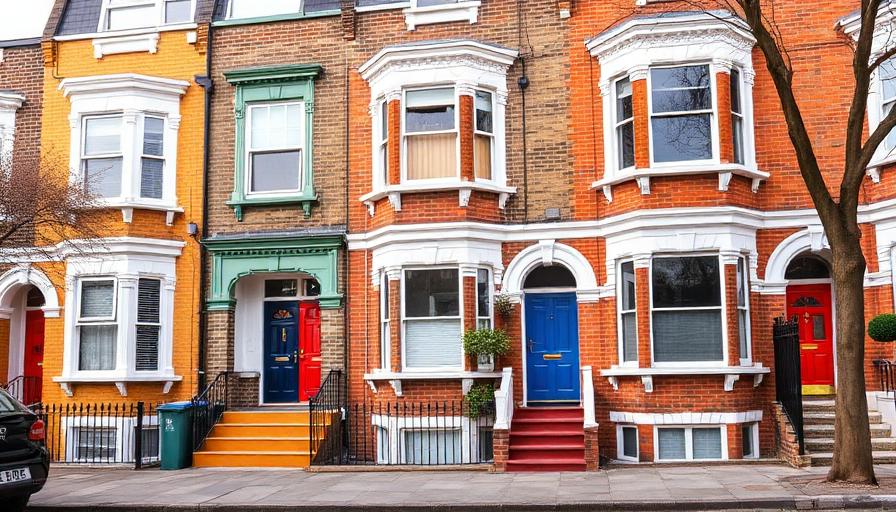
If you've invested in one of those substantial Victorian villas on College Road or secured a period conversion in the mansion blocks near Herne Hill station, you understand the appeal of properties that combine generous proportions with architectural heritage. You've also likely discovered that maintaining that heritage comes with acoustic challenges that weren't in the estate agent's brochure.
The Dulwich Difference: Heritage Protection at Its Finest
The Dulwich Estate, one of London's oldest and largest private estates, maintains strict architectural standards that have preserved the area's character for centuries. Properties within the Estate's jurisdiction face additional oversight beyond standard conservation area requirements, with the Dulwich Estate's own design review process applying to any external alterations.
This double layer of heritage protection means replacement windows are effectively impossible for most Dulwich properties. The original sash windows, multi-paned casements, and distinctive bay window configurations that define the area's architectural character must remain intact.
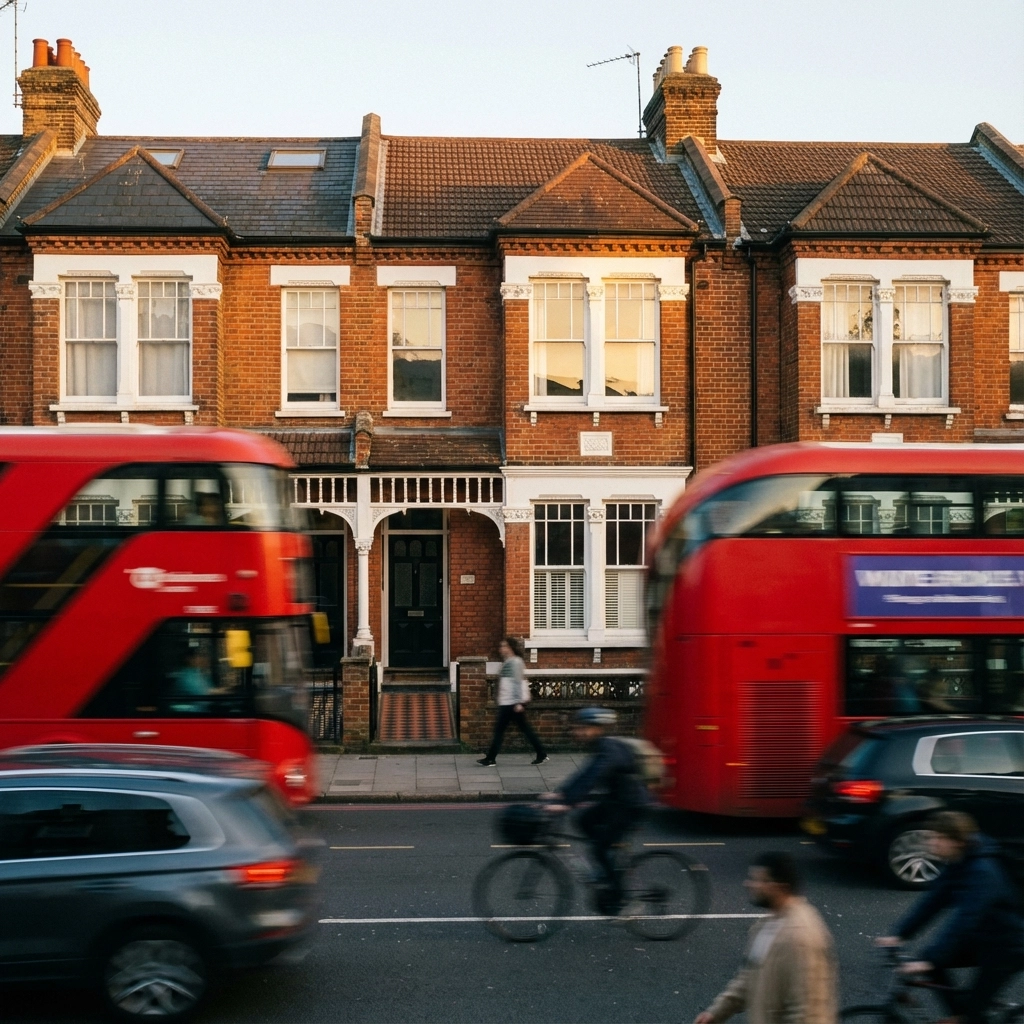
For homeowners dealing with railway noise from the busy Thameslink corridor or traffic from the South Circular, secondary glazing provides the only viable route to acoustic comfort that satisfies both Southwark Council's conservation officers and the Dulwich Estate's architectural guardians.
Southwark Council Conservation Requirements
Southwark Council's conservation area policies for Dulwich emphasize maintaining the visual coherence of the area's Victorian and Edwardian streetscapes. The Dulwich Village Conservation Area covers the historic heart of SE21, while additional protections apply to adjacent areas.
Key requirements for any window-related work include:
- Preservation of original window proportions and glazing bar patterns
- No visible alteration to external appearance from street level
- Reversible installations that don't damage historic fabric
- Materials and finishes that complement existing window frames
Secondary glazing meets all these requirements when properly specified and installed by conservation area specialists.
Railway Noise: The Hidden Challenge
Thameslink Corridor Impact
The Thameslink railway line runs through Herne Hill, with trains passing through every few minutes during peak hours. Properties within 300 metres of the tracks experience significant noise intrusion, with passing trains generating 75-85dB at the façade.
The challenge is compounded by the mixed nature of railway noise: the rhythmic rumble of wheels on tracks, high-frequency squealing on curves, and the distinctive thrum of electric motors create a complex acoustic profile that requires sophisticated solutions.
Railway noise reduction specialists recommend secondary glazing systems that combine mass (heavy acoustic glass) with air gap separation to address both airborne and structure-borne noise transmission.
South Circular Traffic
The A205 South Circular Road clips the northern edge of Dulwich, creating a ribbon of traffic noise that affects properties on Lordship Lane, East Dulwich Road, and the connecting streets. Rush hour noise levels on these arteries regularly hit 78-82dB.
Properties on quieter internal streets still experience background traffic hum, particularly during the morning school run when Dulwich's excellent schools attract vehicles from across South London.
Case Study #1: Victorian Villa, College Road
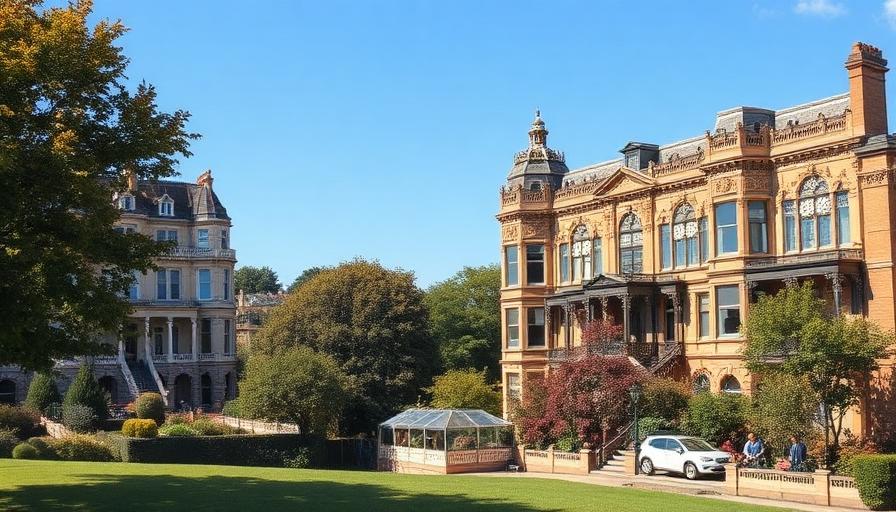
The Thornton family's Grade II listed villa on College Road represents classic Dulwich: five bedrooms, original decorative plasterwork, a sweeping staircase, and those magnificent bay windows that define the street's character. The £3.2M purchase price reflected both the property's condition and its location opposite Dulwich Park.
"We fell in love with the proportions and the light," explains Catherine Thornton. "The high ceilings and those enormous sash windows create such a sense of space. But we hadn't fully appreciated how much sound those single-glazed windows would let through."
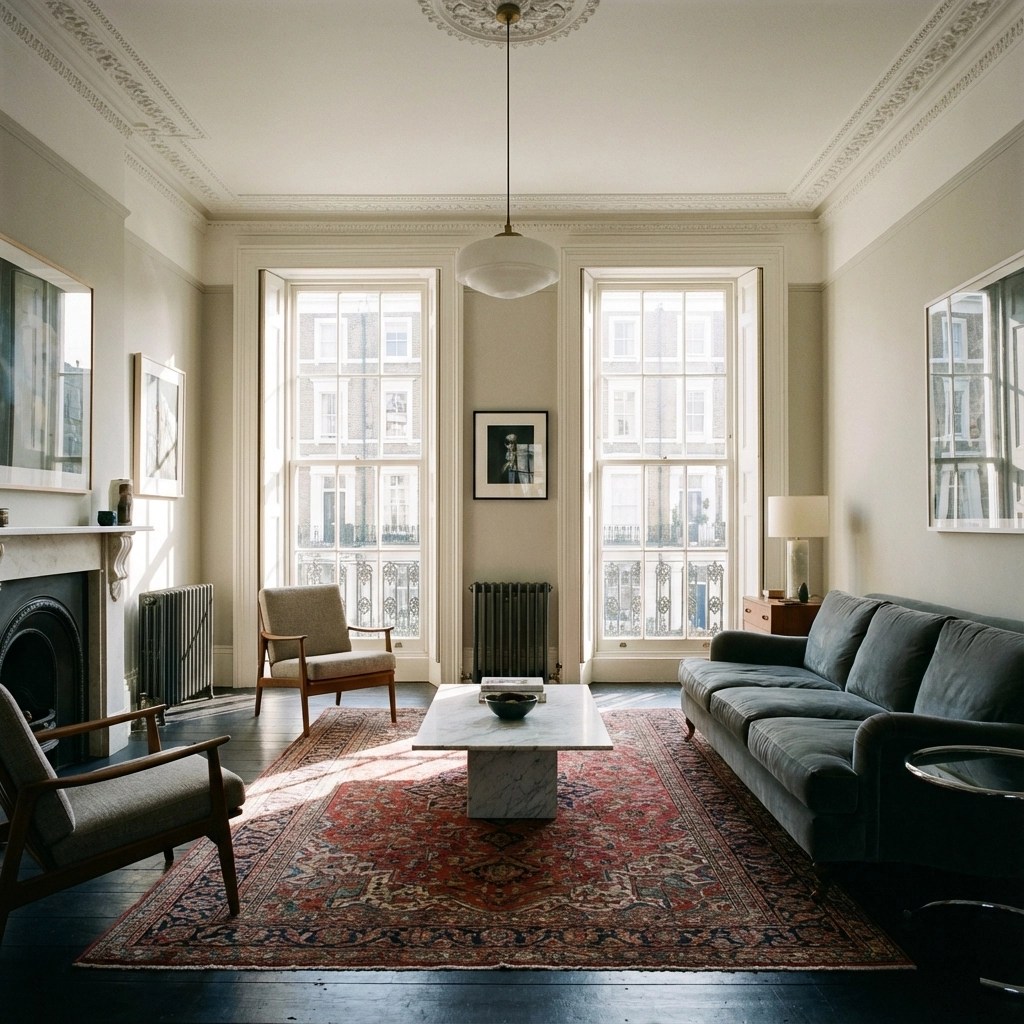
The property's dual frontage meant exposure to both traffic noise from the road and the distant rumble of trains from the Thameslink line. The master bedroom, positioned at the front of the house, was particularly affected.
Working with heritage glazing specialists, the family installed bespoke secondary glazing throughout the principal rooms. The system used 8.8mm acoustic laminated glass with a 150mm air gap, achieving 45dB noise reduction while maintaining clear sightlines to the original windows.
"The transformation was immediate," Catherine reports. "The first night after installation, I actually woke up because it was so quiet. We'd become so accustomed to the constant background noise that the silence felt strange."
The project also required careful coordination with both Southwark Council and the Dulwich Estate. The heritage assessment confirmed that the secondary glazing was completely invisible from outside and fully reversible.
Case Study #2: Herne Hill Conversion, Stradella Road
Marcus and Elena purchased their two-bedroom flat in a converted Edwardian house on Stradella Road in 2024. The £850k price reflected the area's desirability and the property's period features, including original fireplaces and those distinctive arched sash windows that characterize Herne Hill's residential streets.
The challenge quickly became apparent: Herne Hill station's proximity meant constant train noise, while the vibrant café culture on Railton Road added evening entertainment noise to the acoustic mix.
"We loved being so close to everything," Marcus explains. "The station, the market, the cafés – it's what makes Herne Hill special. But trying to work from home with trains every few minutes was impossible."
The Herne Hill secondary glazing specialists faced an additional challenge: the arched window heads required custom curved secondary glazing frames that followed the original window profiles exactly.
The solution involved specially manufactured curved aluminium frames with slim sightlines, finished in a heritage white that matched the original joinery. The acoustic performance – 42dB reduction – transformed the flat's livability.
"I can actually take video calls now without apologizing for train noise," Elena says. "And the café buzz that used to disturb our sleep is now just a gentle background hum."
Case Study #3: Family Home, East Dulwich Grove
The Patterson family's Victorian semi-detached house on East Dulwich Grove typifies the area's family-focused demographic. With three children under ten, proximity to outstanding primary schools justified the £1.8M investment. The generous garden and period features sealed the deal.
But the location's benefits came with acoustic complications. The South Circular's traffic rumble penetrated the front rooms, while the rear of the property faced railway lines serving Denmark Hill station.
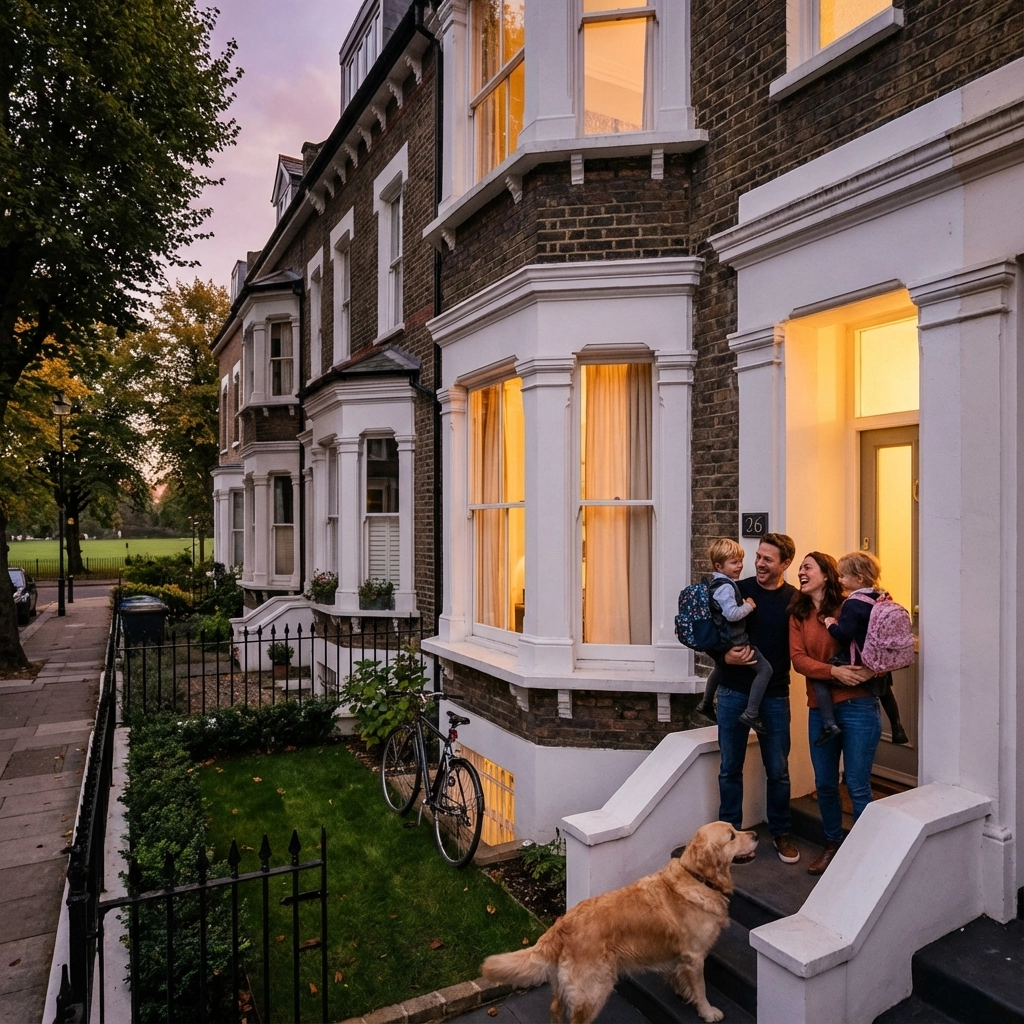
"We were caught between two noise sources," explains James Patterson. "The front bedroom overlooking the road was impossible for the kids during rush hour, and the rear reception room picked up every train."
The whole-house secondary glazing installation addressed different challenges in different rooms. Front-facing windows received heavy-duty acoustic units with 10.8mm laminated glass, while rear-facing windows used standard acoustic configurations. The children's bedrooms received additional attention with enhanced sealing systems.
"The difference in the children's sleep quality was immediate," James reports. "No more early morning wake-ups from delivery trucks or late-night disturbance from trains. It's transformed family life."
The thermal improvements delivered unexpected benefits too: the family's gas bills dropped by approximately 40%, with the secondary glazing's insulation effect most noticeable in the original single-glazed bay windows.
Technical Solutions for Dulwich Properties
Bay Window Configurations
Dulwich's Victorian and Edwardian properties frequently feature elaborate bay windows – canted bays, curved bays, and multi-storey bay configurations that create the area's distinctive streetscape. These architectural features present specific secondary glazing challenges.
Bay window specialists develop bespoke solutions that maintain the geometric integrity of original bay configurations while adding acoustic and thermal performance. The key lies in precise surveying and custom manufacturing that follows the exact angles and curves of existing structures.
Sash Window Preservation
The double-hung sash windows typical of Dulwich's Victorian properties require secondary glazing systems that maintain access for cleaning and ventilation while providing acoustic isolation. Sliding secondary glazing panels that mirror the sash window operation pattern prove most successful.
Professional installations include discrete fixings that don't damage original frames and magnetic sealing systems that eliminate acoustic bridging while allowing easy operation.
Listed Building Considerations
Approximately 15% of Dulwich's residential properties carry Listed Building status, requiring Listed Building Consent for any alterations. Secondary glazing installations in Listed buildings must demonstrate reversibility and minimal impact on historic fabric.
The heritage assessment process documents existing conditions, proposes installation methods, and provides evidence for planning applications. Properly prepared applications typically receive approval within 8-12 weeks.
The Dulwich Estate Factor
Properties within the Dulwich Estate's jurisdiction face additional requirements beyond standard conservation and Listed Building considerations. The Estate maintains its own design review process, and external alterations – including anything visible from the street – require Estate approval.
Secondary glazing's internal installation means Estate approval is rarely required, but homeowners should verify their property's status before proceeding. The Estate office provides guidance on requirements for specific properties.
Coordination with Multiple Authorities
For Listed properties within the Dulwich Estate, installations may require approval from:
- Southwark Council (Listed Building Consent)
- Southwark Council Conservation Officer (Conservation Area consultation)
- Dulwich Estate (if any external visibility)
Experienced Dulwich installers understand these overlapping requirements and guide homeowners through the approval process.
Financial Considerations
Property Value Impact
Secondary glazing typically enhances property values in premium areas like Dulwich, where buyers expect heritage properties to offer modern comfort standards. Estate agents report that effective acoustic and thermal improvements can add 3-5% to property values – significant sums in an area where average prices exceed £1.5M.
The combination of preserved heritage character and improved livability appeals particularly to the family demographic that dominates Dulwich's buyer pool.
Energy Cost Savings
Dulwich's substantial Victorian properties often struggle with heating costs. Single-glazed sash windows with U-values around 5.0 W/m²K allow significant heat loss. Secondary glazing reduces this to 2.5-3.0 W/m²K, delivering heating cost reductions of 30-40% for typical properties.
For a large Victorian villa with annual heating costs of £4,000-5,000, the savings can exceed £1,500 per year – contributing significantly to the return on investment.
Making the Right Choice
Secondary glazing makes particular sense for Dulwich and Herne Hill properties when:
- Dulwich Estate or conservation restrictions prevent window replacement
- Railway or traffic noise significantly impacts quality of life
- Period features warrant preservation for aesthetic and value reasons
- Energy efficiency improvements are priorities
- Family circumstances require better acoustic isolation
The combination of stringent heritage requirements and strong acoustic challenges makes secondary glazing the default solution for Dulwich homeowners seeking comfort improvements.
Getting Started
Begin with a professional heritage assessment that evaluates both the acoustic challenges specific to your property and the heritage requirements that apply. This assessment should be free and include tailored recommendations for your situation.
For Dulwich Estate properties, verify your property's status with the Estate office before proceeding with detailed planning.
Contact secondary glazing specialists experienced with SE21 and SE24 properties to explore solutions that will enhance your heritage home's comfort while respecting its architectural integrity.
Living in Dulwich means enjoying South London's finest residential environment while preserving the architectural heritage that makes the area special. Secondary glazing bridges the gap between Victorian elegance and twenty-first-century comfort.
Sources & References
Citations could not be generated at this time.
People Also Ask
Related questions could not be generated at this time.
Frequently Asked Questions
FAQs could not be generated at this time.