Secondary Glazing in Crystal Palace & Sydenham: Victorian Grandeur in South London's Heights
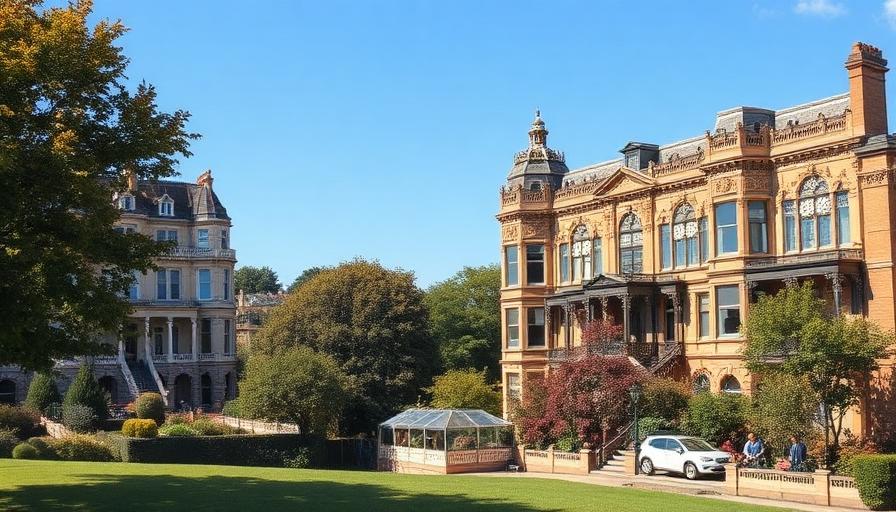
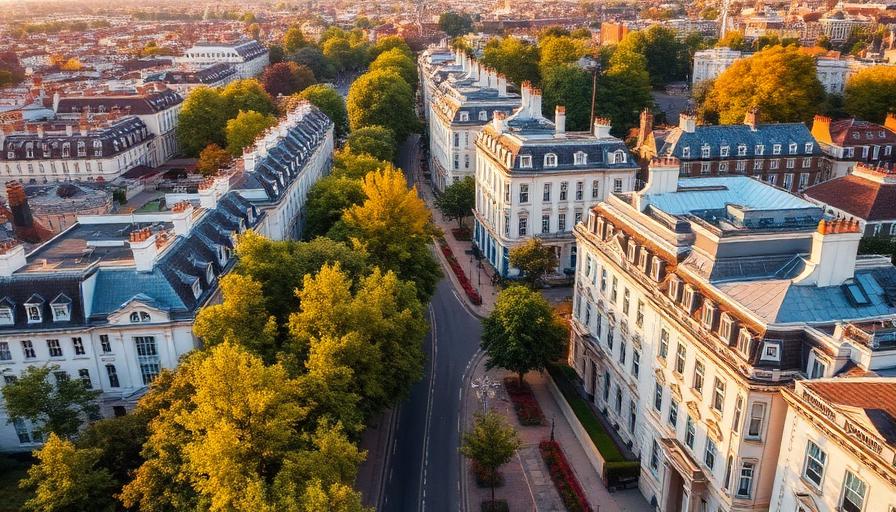
Crystal Palace and Sydenham occupy South London's highest ground, offering panoramic views that stretch from the Surrey Hills to the distant towers of Canary Wharf. These elevated neighborhoods combine Victorian architectural grandeur with genuine community character, attracting creative professionals and young families who appreciate the area's blend of period properties, green space, and independent spirit.
If you've invested in one of those substantial Victorian terraces on Westow Hill or secured an Edwardian villa with views across Crystal Palace Park, you understand why property values here have climbed steadily. You've also likely discovered that the area's excellent transport connections come with acoustic costs – multiple railway lines converge around Crystal Palace station, and the busy roads serving these hilltop neighborhoods generate persistent traffic noise.
The Crystal Palace Character: Heritage on the Heights
Crystal Palace takes its name from Joseph Paxton's extraordinary glass palace, relocated here from Hyde Park in 1854 and destroyed by fire in 1936. The neighborhood that grew up around the palace retains a distinctive character: substantial Victorian properties built for the prosperous middle classes who flocked to enjoy the palace's attractions.
The Crystal Palace Park and the surrounding streetscapes are designated conservation areas under both Bromley and Croydon councils (the borough boundary runs through the area). These protections ensure the area's Victorian and Edwardian character remains intact but also mean replacement windows are rarely permitted.
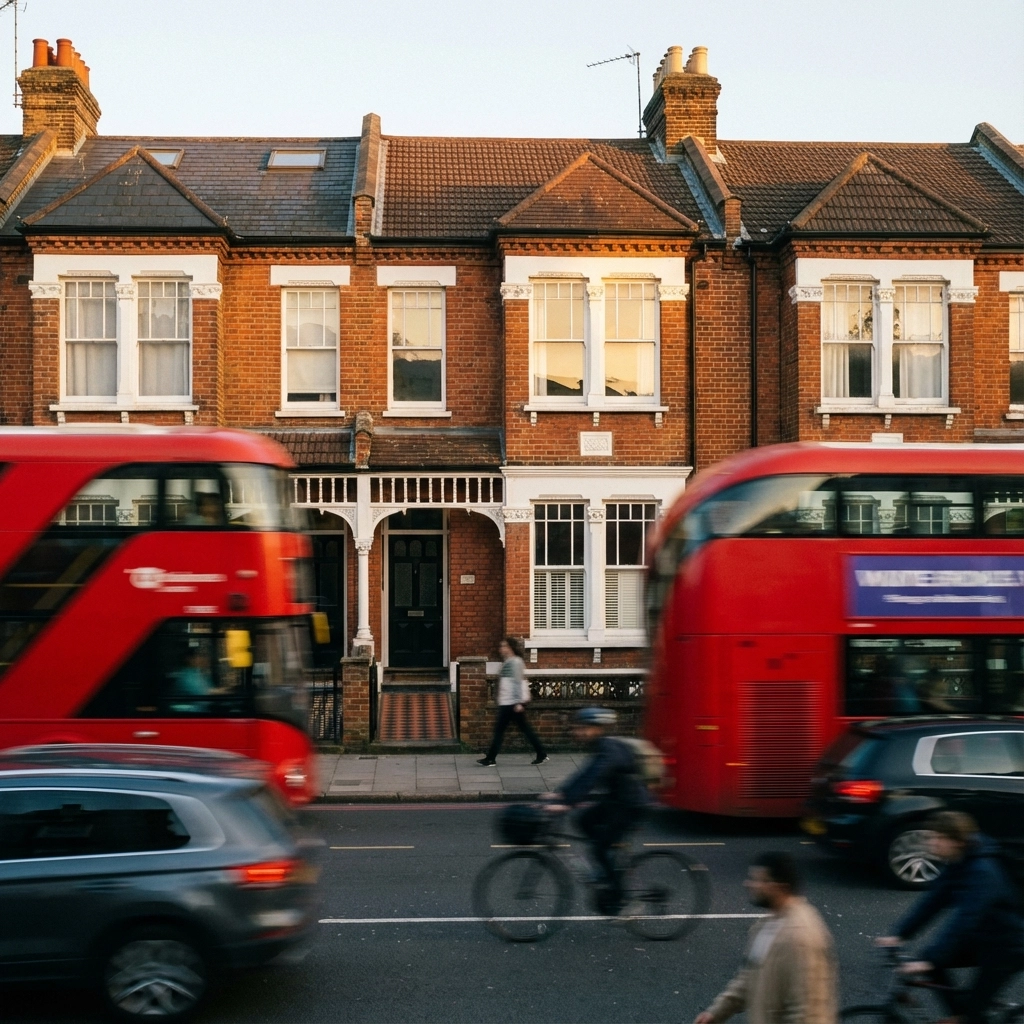
For homeowners dealing with railway noise from the busy lines serving Crystal Palace, Sydenham, and Penge stations, secondary glazing provides the only viable route to acoustic comfort that satisfies conservation requirements.
Multi-Borough Complexity
Crystal Palace sits at the junction of four London boroughs: Bromley, Croydon, Lambeth, and Southwark. This unusual administrative geography means conservation policies vary depending on exactly where your property sits.
Local secondary glazing specialists understand these overlapping jurisdictions and guide homeowners through the appropriate approval processes. The principles remain consistent – preserve original windows, ensure reversibility, maintain external appearance – but specific requirements vary by authority.
Railway Convergence: Multiple Lines, Multiple Challenges
Crystal Palace's transport connectivity creates its acoustic challenges. The Crystal Palace rail station serves as a terminus for Southern Railway services, while the London Overground's East London Line extension adds further capacity. Sydenham station provides additional Southern services, and the High Level station (now closed) once added even more traffic to the area's rail infrastructure.
Southern Railway Services
The main Crystal Palace line carries frequent services to London Bridge and Victoria, with trains passing approximately every 10 minutes during peak hours. The distinctive sound profile includes acceleration noise as trains leave the terminus, combined with braking noise on approach.
Properties within 150 metres of the lines experience peak noise levels of 75-82dB during train movements, with the elevated sections near Crystal Palace station creating particularly challenging acoustic conditions.
London Overground
The East London Line extension, opened in 2010, added significant train movements to the area's acoustic environment. The modern Overground rolling stock generates different noise characteristics than older Southern trains, creating a mixed acoustic profile that requires comprehensive solutions.
Track Configuration Challenges
The junction configurations around Crystal Palace station, with multiple lines converging and diverging, create additional noise sources: points and crossings generate metallic clicking sounds, while trains negotiating curves produce characteristic wheel squeal.
Railway noise specialists specify secondary glazing systems that address this complex sound profile, combining heavy acoustic glass with optimized air gaps.
Case Study #1: Victorian Terrace, Westow Hill
The Morrison family's four-bedroom Victorian terrace on Westow Hill exemplifies Crystal Palace's residential character. The £1.4M purchase gave them generous period proportions, original features including elaborate ceiling roses and working fireplaces, and those characteristic bay windows that define the street's architectural identity.
"We loved the community feel here," explains Rebecca Morrison. "The park, the independent shops, the creative energy – it's a special place. But the train noise was relentless."
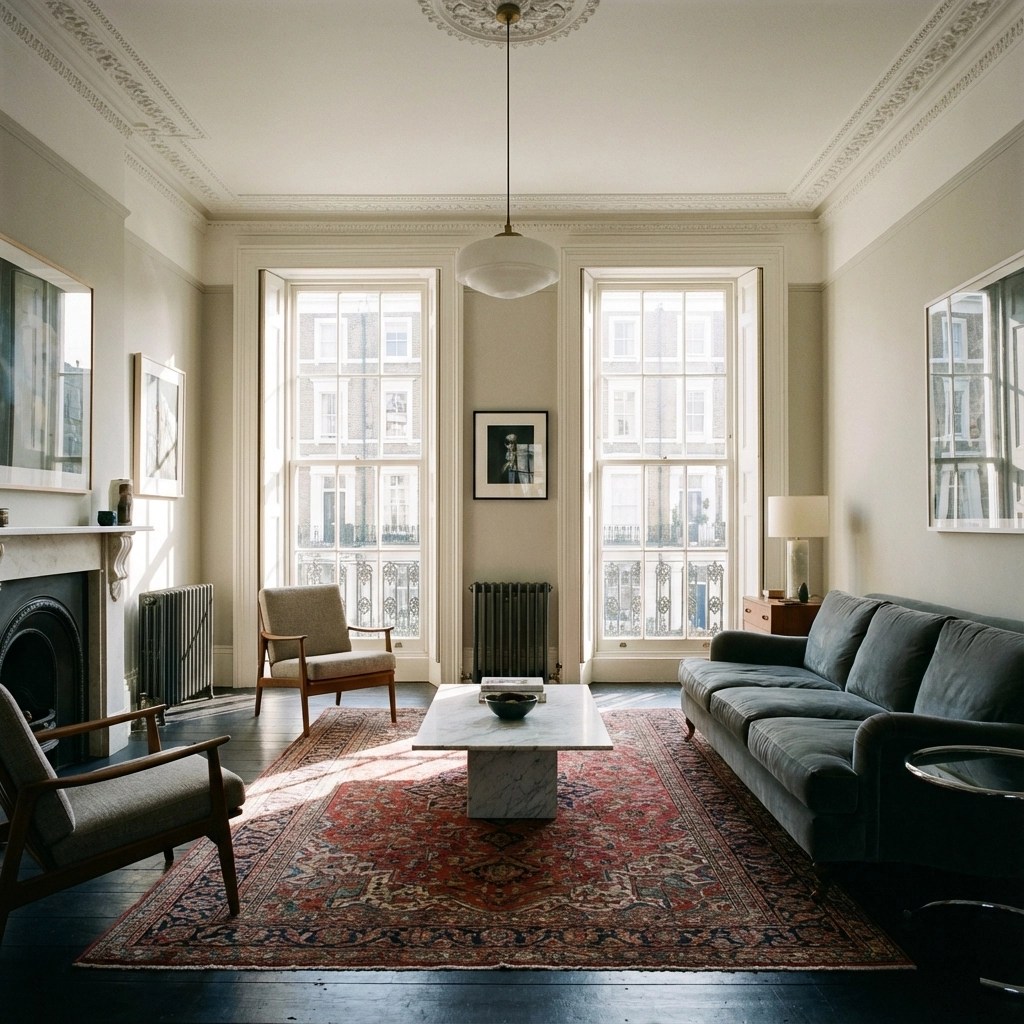
The property's rear elevation faced directly onto the railway cutting, with Southern trains passing less than 50 metres away. The original single-glazed sash windows provided minimal acoustic isolation, with train noise exceeding 80dB in the rear bedrooms.
Working with Crystal Palace secondary glazing specialists, the family installed comprehensive secondary glazing throughout the rear elevation. The system used 10.8mm acoustic laminated glass with a 150mm air gap, specifically configured to address the low-frequency rumble of train passage.
"The transformation was extraordinary," Rebecca reports. "We can actually use the back bedroom as a proper guest room now, not just storage. And the children can do homework in the rear reception room without train interruption."
The installation achieved 47dB noise reduction, bringing internal noise levels below 35dB even during train movements – the threshold for comfortable conversation.
Case Study #2: Edwardian Villa, Sydenham Hill
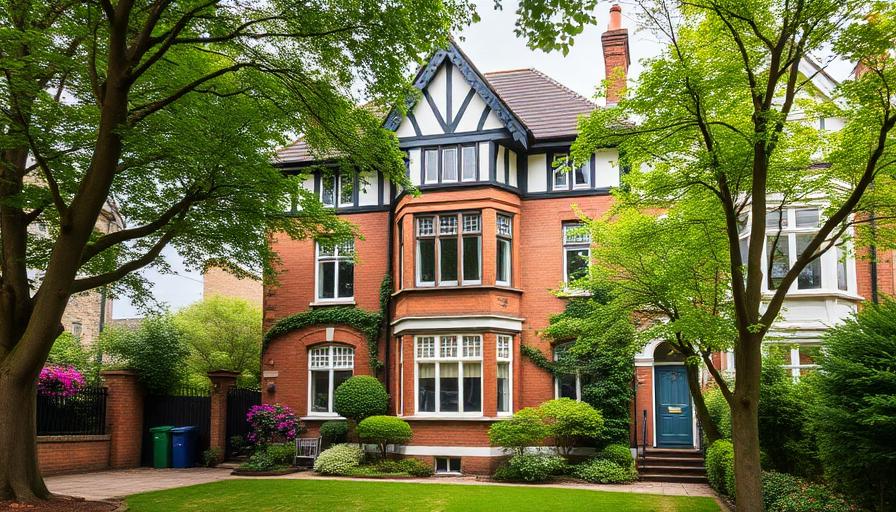
When Daniel and Sarah purchased their substantial Edwardian villa on Sydenham Hill, the £1.8M price reflected both the property's size and its prestigious location overlooking the Horniman Museum's gardens. The house offered six bedrooms, original Arts and Crafts details, and mature gardens that created a genuine sense of seclusion.
The acoustic challenges weren't immediately apparent. "The garden felt so peaceful during viewings," Sarah explains. "We didn't realise how much train noise carried across from the Sydenham line until we'd moved in."
The elevated position that provided those wonderful views also created line-of-sight exposure to the railway corridor. Sound traveled unimpeded across the intervening space, with the property's many original windows offering minimal resistance.
The Sydenham secondary glazing specialists developed a phased installation plan, prioritizing bedrooms and the main living spaces. The secondary glazing used 8.8mm acoustic laminated glass, providing excellent noise reduction while maintaining the slim sightlines that suited the property's Arts and Crafts aesthetic.
"We did the bedrooms first," Daniel explains. "The improvement was so dramatic that we immediately scheduled the rest of the house. Now even the railway doesn't disturb our peace."
The whole-house installation delivered 43dB average noise reduction, with thermal improvements that reduced heating costs by approximately 35% – significant savings given the property's substantial volume.
Case Study #3: Conversion Apartment, Central Hill
Sophie's one-bedroom apartment in a converted Victorian mansion on Central Hill represented her first property purchase. The £450k price stretched her budget, but the location's appeal – walking distance to the park, excellent transport links, vibrant community – made the investment worthwhile.
The acoustic reality proved challenging. The building's position near the junction of Central Hill and Westow Street meant exposure to both road traffic and the distant train noise that carried across the rooftops.
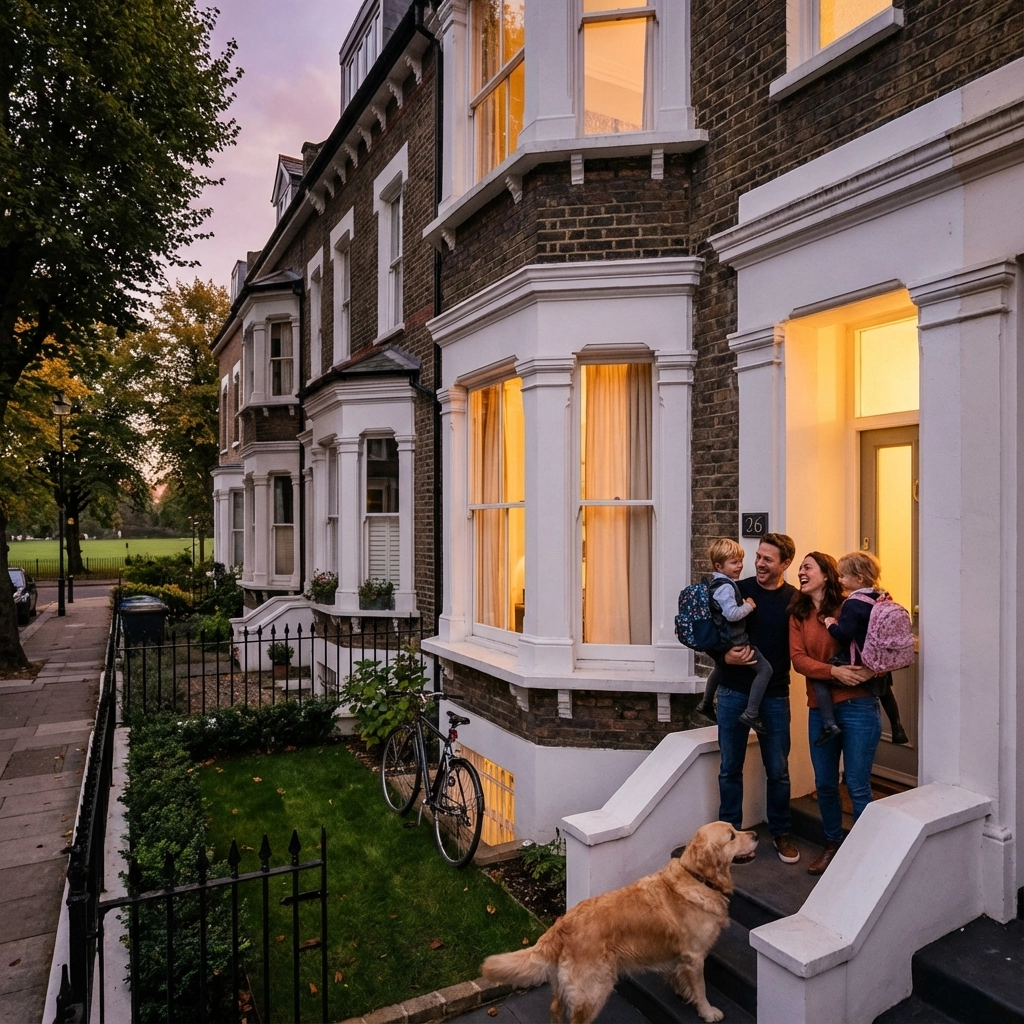
"I work from home three days a week," Sophie explains. "The constant background noise was affecting my concentration and making video calls difficult."
As a leasehold owner, Sophie needed to coordinate with the freeholder and building management before proceeding with any installation. The leasehold property specialists helped navigate these requirements, providing documentation that satisfied the freeholder's concerns about building alterations.
The installation used slim-profile secondary glazing that maintained the apartment's Victorian proportions while adding 38dB noise reduction. The magnetic closure system ensured excellent acoustic sealing while allowing easy access for window cleaning.
"My home office is actually usable now," Sophie reports. "I can concentrate properly, and clients don't hear traffic noise during calls. It's made a genuine difference to my working life."
Technical Considerations for Crystal Palace Properties
Victorian Bay Windows
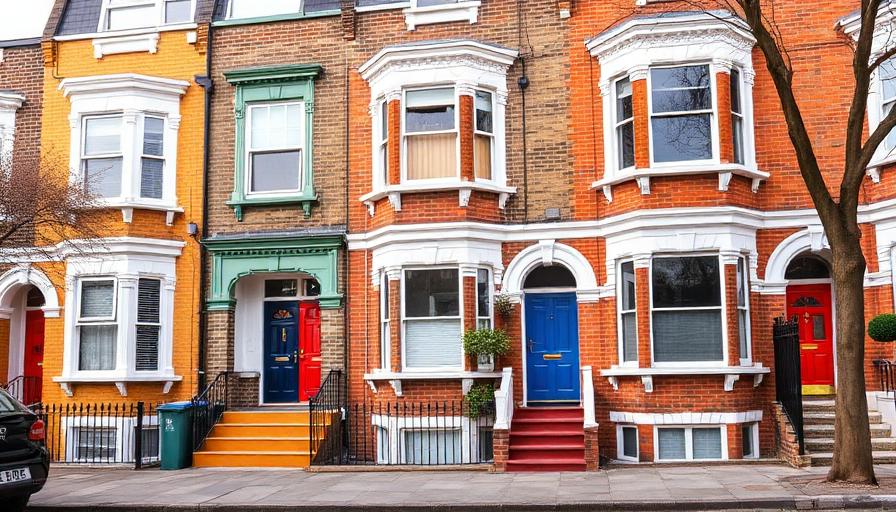
Crystal Palace's Victorian terraces frequently feature elaborate bay window configurations – canted bays on ground floors, often with curved or angled returns that create the area's distinctive streetscape. These architectural features require custom secondary glazing solutions.
Bay window specialists survey each bay configuration individually, manufacturing secondary glazing frames that follow exact geometric profiles. The result preserves the bay's architectural integrity while adding acoustic and thermal performance.
Sash Window Operation
Maintaining sash window operability matters particularly in Crystal Palace, where Victorian properties rely on sash windows for ventilation in what can be the warmest corner of London during summer. Secondary glazing systems that mirror sash operation – with sliding panels that align with original sashes – maintain familiar operation patterns.
Professional installations ensure secondary glazing panels move smoothly without catching on original frames, with adjustment mechanisms that compensate for the slight irregularities typical of Victorian construction.
Mixed Glazing Approaches
Crystal Palace properties often combine different window types: sash windows on principal elevations, casement windows in service areas, and occasionally fixed glazing in secondary positions. Comprehensive secondary glazing installations coordinate different system types to provide consistent acoustic performance throughout.
Conservation Area Requirements
Bromley Council Policies
Properties in the Crystal Palace Park conservation area (Bromley side) must comply with the council's conservation area policies emphasizing preservation of Victorian and Edwardian character. Secondary glazing applications typically proceed without planning permission provided installations are fully internal and reversible.
Croydon Council Policies
The Upper Norwood/Crystal Palace conservation area (Croydon side) applies similar principles, with emphasis on maintaining the area's distinctive architectural character. Internal secondary glazing installations generally fall outside planning control.
Documentation for Future Sale
Regardless of planning requirements, proper documentation of secondary glazing installations supports future property transactions. Professional installers provide completion certificates, warranty documentation, and photographic records that demonstrate compliance with heritage requirements.
Financial Considerations
Property Value Impact
Crystal Palace's rising property market means improvements that enhance livability command premium values. Secondary glazing typically adds 2-4% to property values in conservation areas where replacement windows aren't permitted.
For a £1.5M Victorian terrace, this translates to potential added value of £30-60k – significantly exceeding installation costs of £15-25k for comprehensive solutions.
Energy Cost Savings
The elevated position that gives Crystal Palace its views also exposes properties to wind-driven heat loss. Victorian single glazing with high U-values compounds the challenge, with annual heating costs often exceeding £3,000 for larger properties.
Secondary glazing's thermal improvement typically delivers 30-40% heating cost reductions. Combined with acoustic benefits, the financial case for installation becomes compelling.
Choosing Qualified Installers
Crystal Palace's multi-borough location and varied property types demand installers with comprehensive local experience. Crystal Palace area specialists should demonstrate:
- Familiarity with both Bromley and Croydon council requirements
- Experience with Victorian and Edwardian properties
- Capability for Listed Building applications where required
- Understanding of railway noise mitigation requirements
- Strong product and workmanship guarantees
Professional installation includes precise surveying, careful protection of original features during installation, and comprehensive aftercare support.
Making the Decision
Secondary glazing makes particular sense for Crystal Palace and Sydenham properties when:
- Conservation restrictions prevent window replacement
- Railway noise significantly impacts quality of life
- Victorian or Edwardian features warrant preservation
- Energy efficiency improvements are priorities
- Home working requires better acoustic isolation
The combination of heritage significance and transport infrastructure proximity makes secondary glazing the standard solution for SE19 and SE26 homeowners.
Getting Started
Begin with a professional assessment that evaluates both acoustic challenges and conservation requirements. The assessment should identify which council's jurisdiction applies to your property and outline any specific requirements.
Contact secondary glazing specialists experienced with Crystal Palace's unique heritage context to explore solutions that enhance your Victorian or Edwardian property's comfort while preserving its architectural character.
Living in Crystal Palace means enjoying South London's most distinctive hilltop community while preserving the Victorian grandeur that defines the area's character. Secondary glazing enables that balance, bridging nineteenth-century elegance and twenty-first-century expectations.
Sources & References
Citations could not be generated at this time.
People Also Ask
Related questions could not be generated at this time.
Frequently Asked Questions
FAQs could not be generated at this time.