If you live in London, you know the "London Hum." It's that constant background track of sirens, buses, late-night revelry, and the occasional low-flying plane. We love this city, but we don't always love hearing it while we're trying to sleep or hop on a Zoom call.
When the noise gets too much, most people think the answer is simple: "I need double glazing."
But here's the thing: standard double glazing is actually designed to keep heat in, not to keep noise out. If you've already got double glazing and you can still hear the No. 38 bus like it's in your living room, you aren't imagining things.
In this guide, we're going to look at the science of why acoustic window inserts (often called soundproof secondary glazing) are almost always the superior choice for silencing the city.
The Great Misconception: Why Standard Double Glazing Fails at Soundproofing
Double glazing is fantastic for your energy bills. By trapping a thin layer of air or gas between two panes of glass, it creates a thermal barrier. However, when it comes to sound, that thin gap is actually a bit of a problem.
Sound is a vibration. When a sound wave hits your window, it vibrates the first pane of glass. Because the gap in standard double glazing is usually only about 16mm to 20mm, that vibration easily jumps across the air space and shakes the second pane.
This is known as the "drum effect." The two panes of glass are too close together, causing them to resonate and actually amplify certain frequencies of noise. If you're trying to block out the low-frequency rumble of traffic, standard double glazing often falls short.
Enter the Acoustic Window Insert
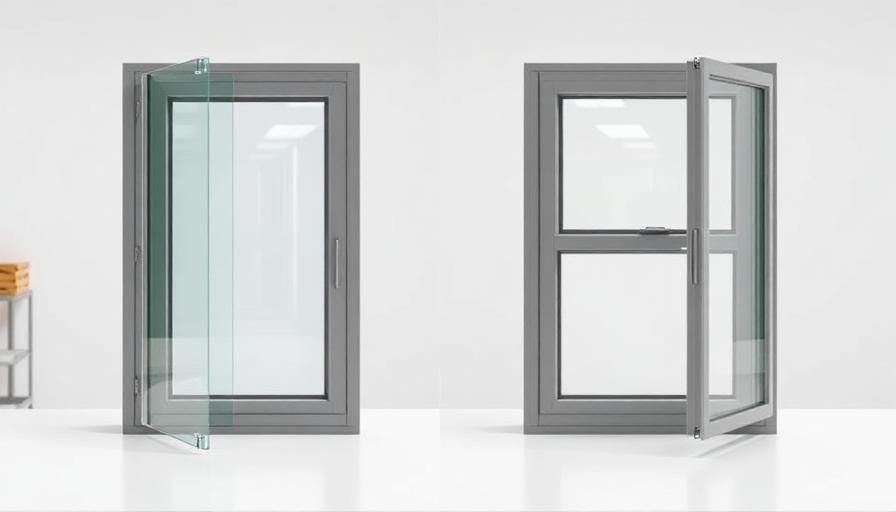
Acoustic window inserts are a form of secondary glazing. Instead of replacing your existing windows, we install a high-performance, independent unit on the inside of your original window.
This creates a much larger air gap: typically between 100mm and 200mm. To a sound wave, that gap is like a massive canyon. By the time the vibration crosses that distance, it has lost a huge amount of its energy.

The Science of Silence: STC Ratings and Decibels
In the world of soundproofing, we use something called the STC (Sound Transmission Class) rating. It's a way of measuring how well a material stops sound. The higher the number, the better the silence.
- Single Pane Glass: Usually has an STC of around 26-28.
- Standard Double Glazing: Usually hits around 30-32.
- Acoustic Window Inserts: Can reach an STC of 45 to 49.
While those numbers might look close, remember that decibels are logarithmic. A 10dB reduction in noise is perceived by the human ear as a 50% reduction in volume. Moving from standard double glazing to a high-quality acoustic insert can result in a 60-80% reduction in noise. That is the difference between hearing the street and hearing a pin drop.
The Secret Weapon: 10.8mm Acoustic Laminate Glass
Not all glass is created equal. If you use standard "float glass" for your inserts, you'll get some improvement, but you won't get that "peace and quiet" feeling we're after.
At Secondary Glazing Specialist, our "gold standard" is 10.8mm acoustic laminate glass.

Why 10.8mm? Most window glass is 4mm or 6mm thick. By using 10.8mm glass, we're adding significant mass. In soundproofing, mass is your best friend. The heavier the material, the harder it is for sound waves to move it.
But the "laminate" part is where the magic happens. This isn't just one thick chunk of glass. It's a "glass sandwich": two layers of glass bonded together with a special acoustic PVB (Polyvinyl Butyral) interlayer.
This interlayer acts like a dampener. When sound hits the glass, the interlayer absorbs the vibration and turns it into a tiny amount of heat energy rather than letting it pass through as sound. It's specifically designed to target the frequencies of traffic and sirens that standard glass lets right through.
Air Gaps: Size Really Does Matter
We touched on this earlier, but it's worth repeating: the distance between your existing window and the new insert is the single most important factor in soundproofing.
If the gap is too small (like in double glazing), the air inside acts like a spring, transferring the vibration from one pane to the other. By increasing that gap to 100mm or more, we decouple the two windows.
This is why acoustic inserts are the preferred choice for homes near major London train lines or busy A-roads. You simply can't get that kind of gap with a standard replacement window unit.

Why Inserts Are Perfect for London's Heritage Homes
London is full of beautiful Victorian and Georgian properties with original timber sash windows. If you live in a listed building or a conservation area, you often aren't allowed to replace those windows with modern uPVC double glazing. Even if you were, you'd be stripping away the character (and value) of your home.
Acoustic inserts are the perfect workaround. Because they are installed on the inside and don't change the external appearance of the building, they are usually "planning-friendly." You get to keep your beautiful original windows, but you get the modern performance of a recording studio.
The Importance of the Seal
You can have the thickest glass in the world, but if there is a tiny gap in the frame, the sound will find its way in. Think of it like a bucket of water: a single small hole means the whole thing leaks.
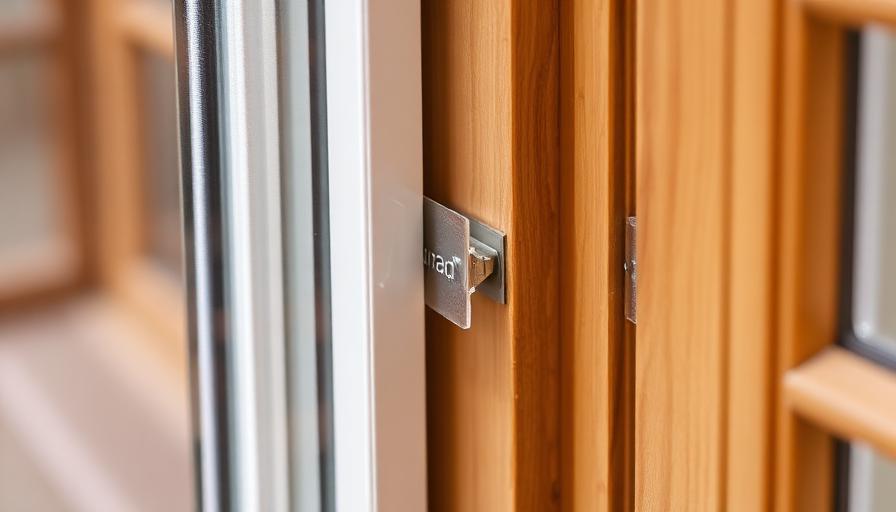
Standard windows have to have "weep holes" for drainage and often have gaps around the openers for ventilation. Acoustic inserts are designed with high-performance compression seals. When the insert is closed, it creates an airtight environment. If air can't get through, sound can't get through.

Comparing the Costs: Value vs. Performance
When homeowners look at the price of full window replacement versus acoustic inserts, they often find the costs are comparable. However, the value is very different.
- Noise Reduction: As we've seen, inserts win hands down.
- Thermal Insulation: Inserts actually provide a second layer of thermal protection, often outperforming double glazing at keeping your home warm.
- Property Value: Keeping original windows is a massive plus for heritage homes.
- Installation Mess: Replacing windows involves ripping out frames, replastering, and repainting. Inserts are much cleaner and quicker to install.
Summary: Which One Should You Choose?
If your primary goal is to lower your heating bill and your street is relatively quiet, standard double glazing is a solid choice.
However, if you are struggling with:
- Traffic noise or bus routes
- Train or Tube rumbles
- Aircraft noise
- General city "clatter"
- Maintaining the look of a period property
Then acoustic window inserts are the only real solution. By combining the massive air gap, the dampening power of 10.8mm acoustic laminate glass, and an airtight seal, you aren't just dampening the noise: you're blocking it out.

Ready to get some peace and quiet?
At SoundproofMyWindow.com, we specialize in turning noisy London homes into quiet sanctuaries. Our team can help you figure out exactly which configuration of glass and air gap you need to finally get a good night's sleep.
Don't let the city noise dictate your life. Give us a shout for a chat or a quote, and let's get those decibels down!
Sources & References
Citations could not be generated at this time.
People Also Ask
Related questions could not be generated at this time.
Frequently Asked Questions
FAQs could not be generated at this time.