Secondary Glazing in Notting Hill & Holland Park: Heritage Solutions for W11's Creative Heart
The Creative Heart of West London: Where Heritage Meets Modern Living
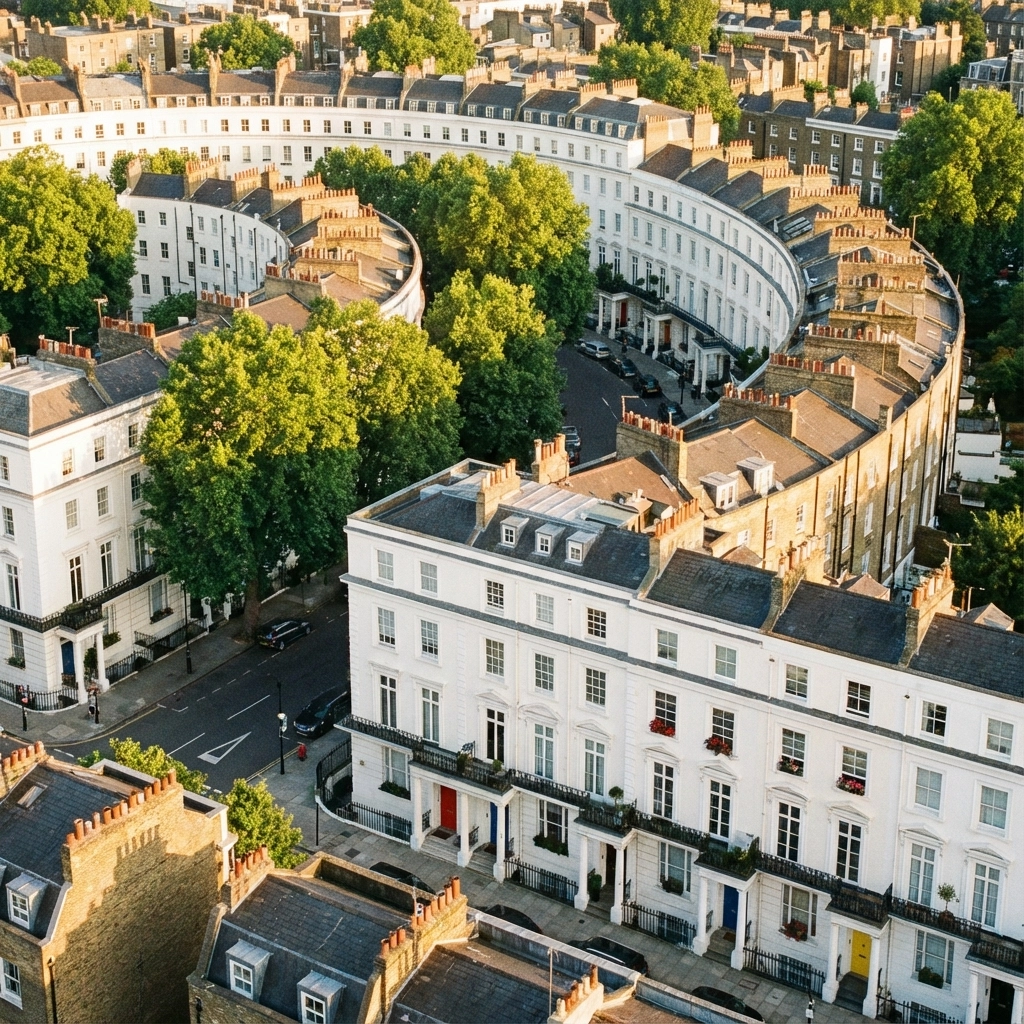
Notting Hill and Holland Park represent one of London's most captivating postcodes, where Victorian grandeur meets bohemian charm and international sophistication. From the world-famous Notting Hill Carnival that transforms the streets into a Caribbean paradise each August, to the antique treasures of Portobello Road Market, W11 pulses with creative energy. Yet beneath this cultural vibrancy lies a practical challenge that many property owners face: managing noise while preserving the architectural heritage that makes these neighborhoods so special.
For the creative professionals, film industry executives, and international buyers who call these tree-lined streets home, finding the perfect balance between period authenticity and modern comfort is essential. Properties here command prices between £2-10 million precisely because they offer this unique blend of cultural richness and residential tranquility – when properly managed.
The Sound of Success: Understanding W11's Noise Landscape
The Westway Challenge: London's Concrete Ribbon
The A40 Westway, that concrete artery snaking through West London, brings both convenience and challenge to W11 residents. Properties within 200 meters of this major route regularly experience noise levels of 80-88dB – equivalent to standing next to busy traffic or a garbage disposal. For residents in converted Victorian villas near the Westway, particularly those in the northern reaches of Notting Hill, this constant hum can significantly impact daily life.
Understanding traffic noise reduction becomes crucial for maintaining the serenity these premium properties deserve. The challenge isn't just about volume – it's about the frequency and persistence of traffic noise that can penetrate even well-maintained period windows.
Carnival Weekend: When the Streets Come Alive
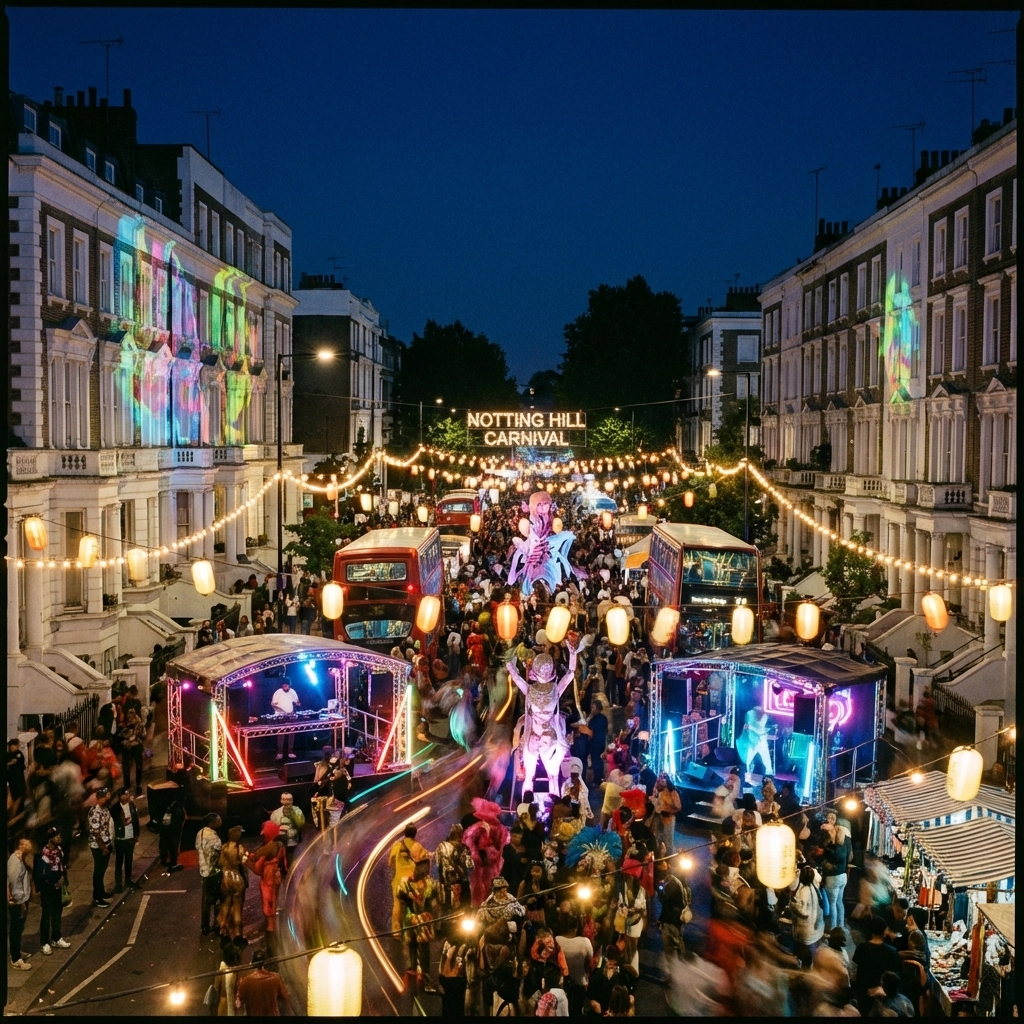
Every August Bank Holiday weekend, Notting Hill transforms into the largest street festival in Europe. The Notting Hill Carnival brings joy, culture, and music to over two million visitors – along with sound levels that can reach 95-100dB near the main parade routes along Ladbroke Grove and Westbourne Park Road.
For residents who embrace this cultural celebration, specialized solutions for Notting Hill can help manage the temporary but intense noise while maintaining the community spirit that makes this event so special. Many long-term residents have learned to work with rather than against the carnival, using it as an opportunity to showcase their beautifully preserved homes to international visitors.
Portobello Road: The Market That Never Sleeps
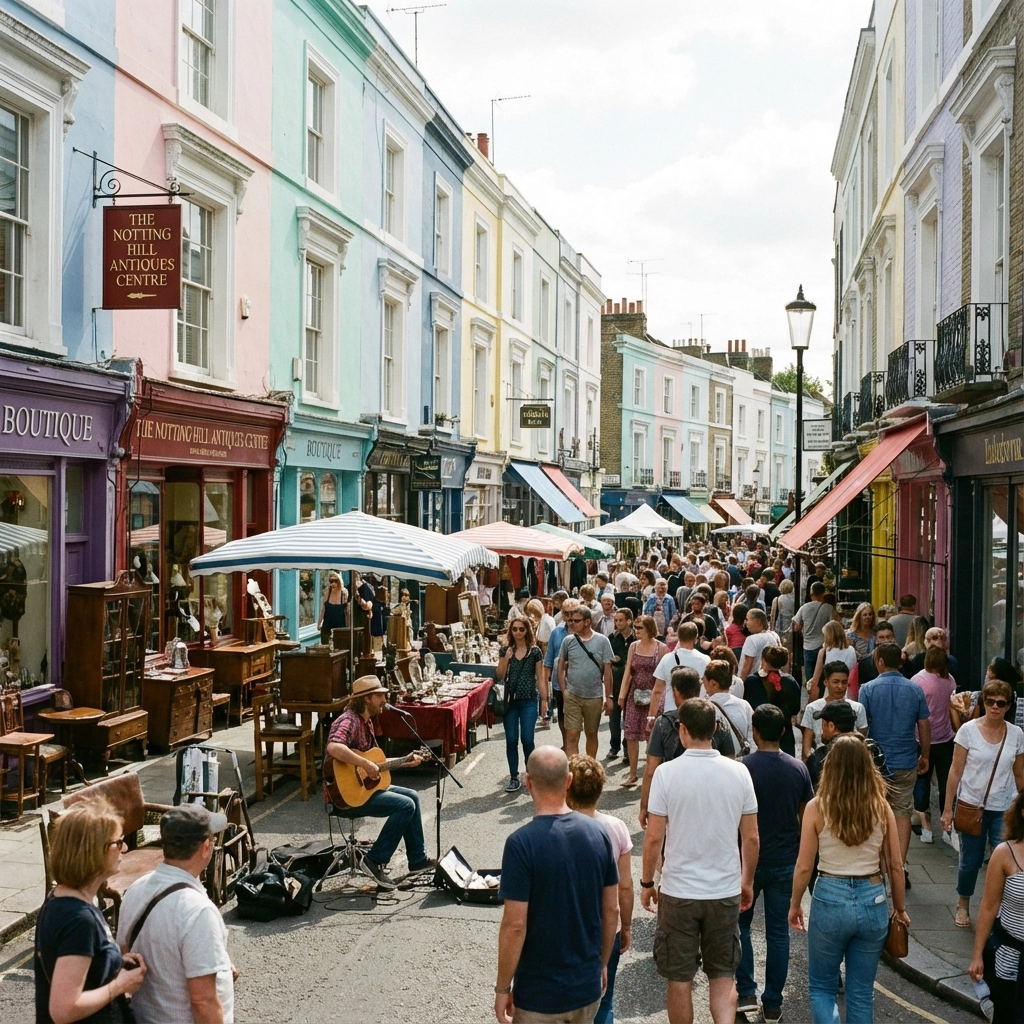
The famous Portobello Road Market, particularly around the Notting Hill Gate end, creates its own acoustic signature. The combination of tourist chatter, street performers, and the constant flow of delivery vehicles serving the antique dealers and restaurants creates a complex soundscape. While many residents cherish this vibrant atmosphere, properties near Notting Hill Gate benefit from acoustic solutions that allow them to enjoy the best of both worlds.
Heritage Harmony: Navigating Conservation Requirements
Holland Park's Strictest Standards
Holland Park boasts some of London's most stringent conservation requirements, overseen by Kensington & Chelsea Council. The magnificent Victorian villas lining streets like Holland Park Avenue, Addison Road, and Melbury Road are protected not just for their architectural merit but for their contribution to one of London's most prestigious residential areas.
Conservation area secondary glazing in Holland Park must meet exacting standards. Every installation requires careful consideration of sightlines, proportions, and materials to ensure harmony with the original architecture. The Historic England guidelines for secondary glazing in heritage properties provide the framework, but local interpretation demands expertise and sensitivity.
Notting Hill's Stucco Splendor
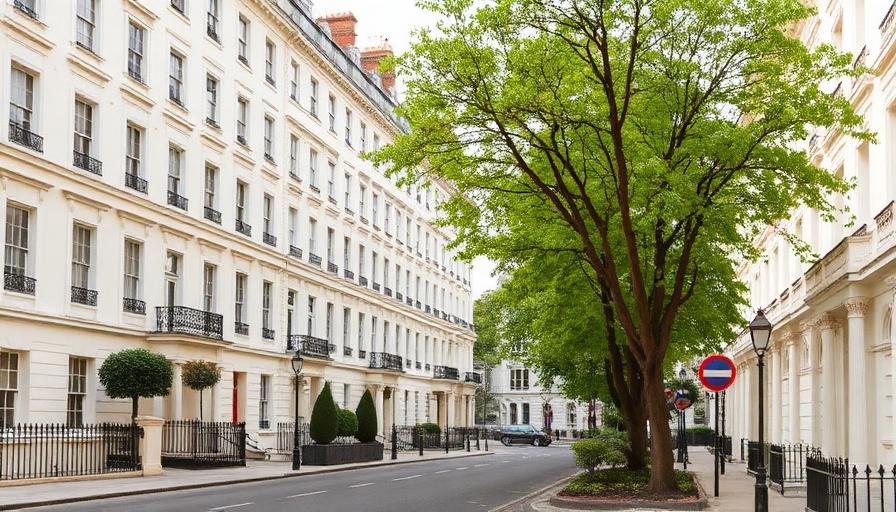
The iconic white stucco terraces that define much of Notting Hill present their own unique challenges and opportunities. These mid-19th century townhouses, many designed during London's great expansion, feature large sash windows that were revolutionary for their time but struggle with modern acoustic and thermal demands.
Victorian window secondary glazing for these properties requires understanding both the original construction techniques and the subtle variations that occur across different building periods. Properties along Pembridge Road, Westbourne Grove, and the famous colored houses of Portobello Road each have distinct characteristics that influence the optimal approach.
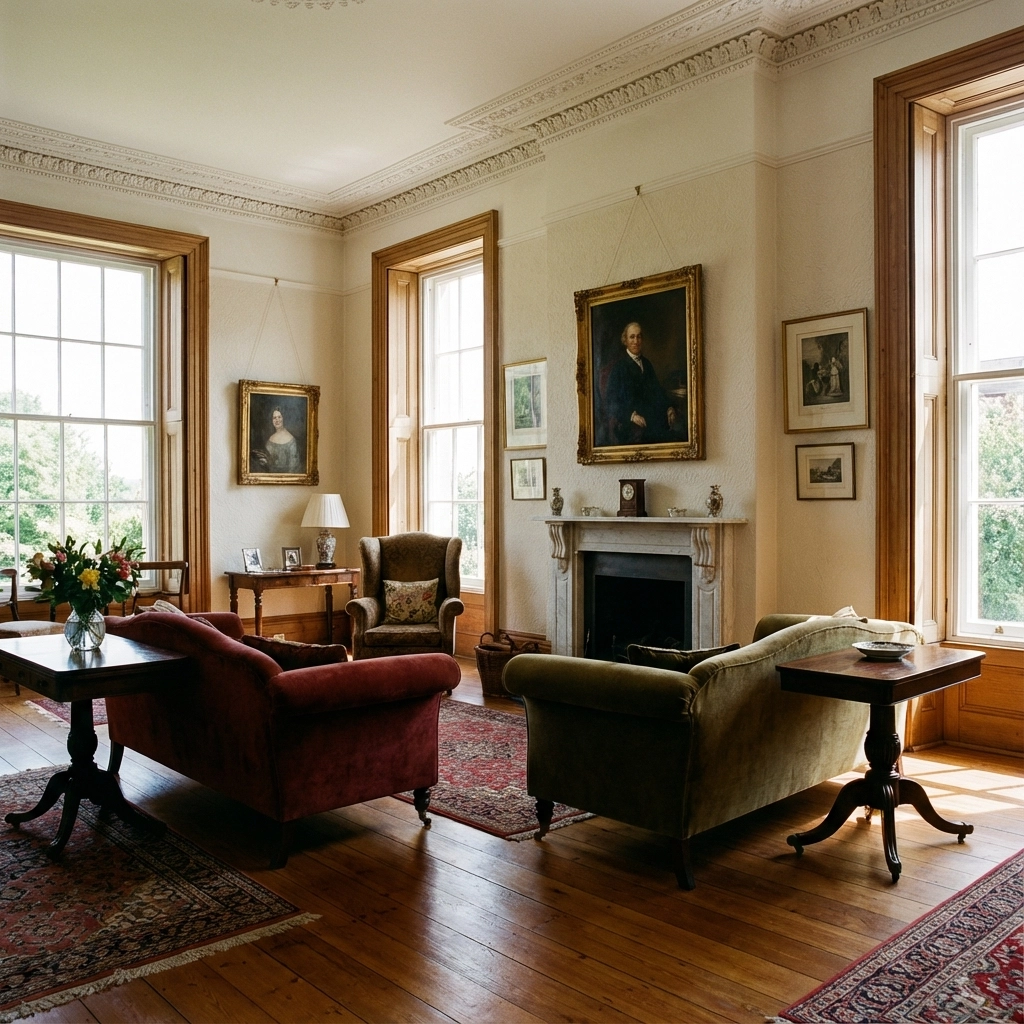
Tailored Solutions for W11's Diverse Architecture
The Victorian Villa Approach
Holland Park's grand Victorian villas, many built between 1860-1890, feature substantial windows designed to capture maximum daylight. These properties, often set back from the road behind mature plane trees, might seem naturally insulated from noise, but their proximity to Holland Park Avenue and Kensington High Street means traffic noise remains a consideration.
For these substantial family homes, secondary glazing solutions focus on preserving the grandeur while adding practical benefits. The larger room volumes and high ceilings mean that acoustic solutions can be more discrete while still providing significant benefit.
Stucco Townhouse Strategies
The narrow frontages and vertical living spaces typical of Notting Hill's stucco terraces require different thinking. These properties often have rooms directly facing busy streets, making urban noise pollution management essential for comfortable living.
The key is balancing the period proportions that give these homes their character with practical solutions that protect the investment value. Many international buyers specifically seek these iconic white terraces for their London base, expecting both authenticity and modern comfort standards.
Mansion Block Considerations
The Edwardian mansion blocks around Notting Hill Gate and Lancaster Gate represent a different architectural tradition but face similar challenges. These substantial apartment buildings often house creative professionals who need quiet home offices and international executives requiring peaceful conference call environments.
Case Study 1: Victorian Villa Transformation in Holland Park
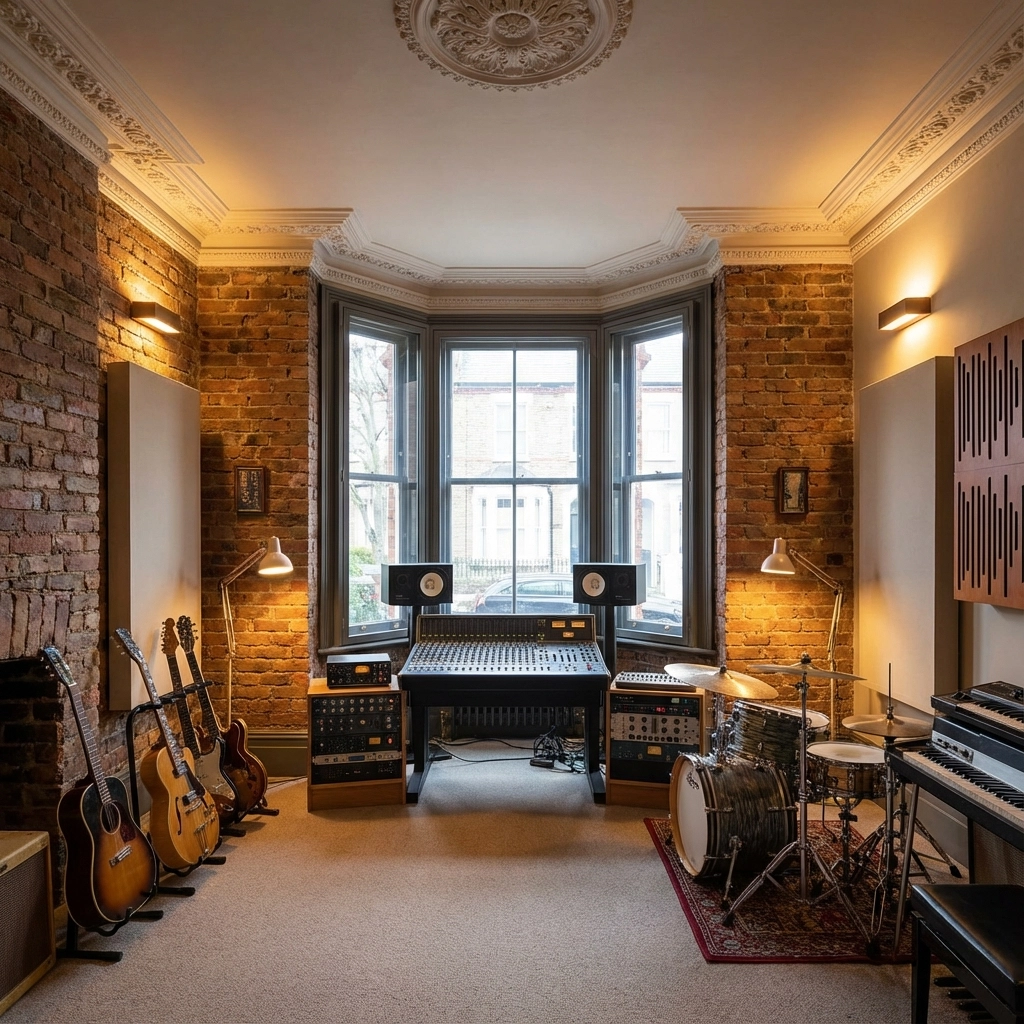
Property: Detached Victorian villa, Addison Road, Holland Park Challenge: Traffic noise from Holland Park Avenue (75-80dB) disrupting home recording studio Client Profile: Grammy-winning music producer relocating from Los Angeles
This magnificent 1870s villa, originally built for a successful Victorian merchant, had been lovingly restored but lacked the acoustic isolation needed for professional music production. The client, a successful American music producer, required pristine acoustic conditions for his home studio while maintaining the property's heritage credentials.
The solution involved specialized acoustic secondary glazing for the ground floor music room, using laminated acoustic glass within slimline aluminum frames powder-coated to match the original window furniture. The system achieved a 45dB noise reduction while maintaining the visual proportions that define the conservation area.
The installation required close coordination with Kensington & Chelsea Council's heritage team, ensuring every detail met conservation requirements. The result: a home recording facility meeting international standards within a Grade II listed Victorian villa.
Result: 45dB noise reduction, enabling professional recording while preserving heritage integrity.
Case Study 2: Stucco Townhouse Near Notting Hill Gate
Property: Four-story Georgian/Victorian terraced house, Pembridge Gardens Challenge: Combined noise from Notting Hill Gate tube station, buses, and Portobello Road market (82-85dB peak) Client Profile: International art dealer and collector requiring gallery-quality display conditions
This elegant townhouse, typical of the area's sought-after stock, serves as both family home and private gallery for a renowned international art dealer. The combination of public transport noise, tourist activity, and market bustle created an environment that detracted from both family life and the careful curation of museum-quality artworks.
Notting Hill secondary glazing specialists designed a comprehensive solution addressing both acoustic and conservation requirements. The project included period-appropriate secondary glazing for the main reception rooms, using UV-filtering glass to protect valuable artworks while reducing noise transmission.
Special attention was paid to the first-floor drawing room, where important client meetings take place. The secondary glazing system incorporated magnetic sealing for optimal acoustic performance while maintaining easy access for cleaning and maintenance of both window sets.
Result: 38dB average noise reduction across main living spaces, creating gallery-quiet conditions for art appreciation and business meetings.
Case Study 3: Portobello Road Character Property
Property: Converted Victorian shop with residential accommodation, Portobello Road Challenge: Market noise, tourist activity, and street performers (up to 90dB during peak market hours) Client Profile: Fashion photographer requiring quiet editing suite above street-level studio
This unique property represents the entrepreneurial spirit of Portobello Road – a former antique shop converted into a photographer's studio with living accommodation above. The owner, a fashion photographer working with international magazines, needed acoustic isolation for detailed photo editing while maintaining the street-level energy that inspires their work.
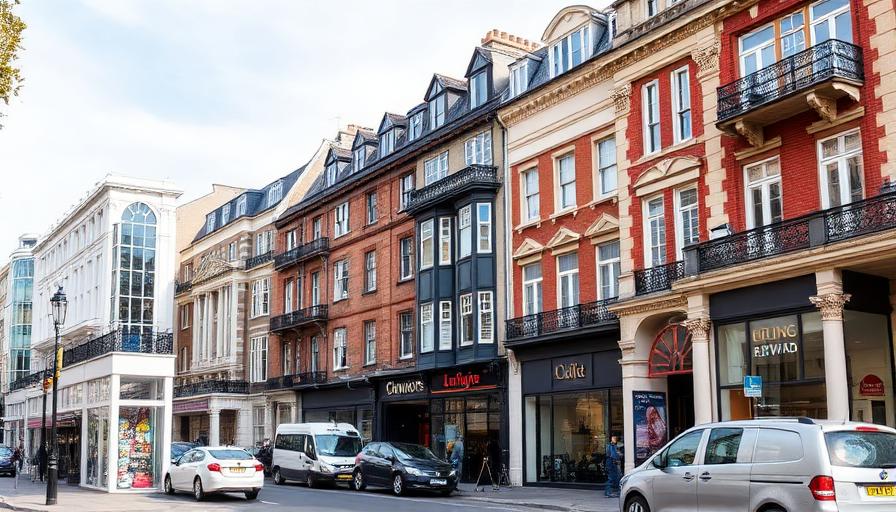
The Portobello Road location presented unique challenges: market noise varies dramatically throughout the week, tourist photography creates irregular sound spikes, and the narrow Victorian shopfront windows required discrete solutions.
The solution combined slim-profile secondary glazing for the upper floors with sound-absorbing treatments. The secondary windows open independently, allowing the photographer to connect with street activity when desired while providing isolation during intensive editing sessions.
Result: Flexible acoustic control enabling both creative inspiration and focused work in one of London's most vibrant cultural locations.
Carnival Weekend: Special Considerations for W11 Residents
Preparing for Europe's Largest Street Festival
The Notting Hill Carnival transforms the area into a celebration of Caribbean culture, but the two-day festival requires special preparation for residents. Sound levels along the main parade routes can exceed 100dB, while the festival atmosphere continues well into the evening hours.
Many long-term residents have developed sophisticated strategies for Carnival weekend. Professional noise management solutions can provide the acoustic isolation needed during the festival while allowing residents to participate in the community celebration when they choose.
Beyond the Weekend: Year-Round Benefits
While Carnival represents the annual peak, the solutions that manage festival noise provide year-round benefits. Properties with effective secondary glazing systems report improved sleep quality, reduced stress from urban noise, and enhanced property values – benefits that extend far beyond the August Bank Holiday weekend.
Community Integration Strategies
Successful W11 residents understand that embracing rather than fighting the area's cultural vibrancy leads to greater satisfaction. Secondary glazing installations designed with flexibility in mind allow residents to open their homes to the street energy when desired while providing sanctuary when needed.
International Buyer Considerations
Investment Protection Through Heritage Preservation
For international buyers investing £2-10 million in W11 properties, maintaining heritage authenticity while achieving modern comfort standards is crucial for long-term value protection. Conservation-compliant secondary glazing provides this balance, ensuring investments appreciate while delivering immediate quality-of-life improvements.
Understanding Local Planning Requirements
International buyers often underestimate the complexity of heritage property modifications in London. Working with specialists who understand both Kensington & Chelsea conservation requirements and international comfort expectations ensures smooth project delivery and optimal results.
Cultural Integration Through Acoustic Comfort
Many international residents find that managing noise pollution helps them better appreciate W11's unique cultural offerings. Rather than fighting against the area's vibrancy, effective acoustic solutions allow residents to engage with community life on their own terms.
The Creative Professional Advantage
Home Office Acoustics in Historic Settings
The rise of remote work has made home office acoustics crucial for creative professionals in W11. Whether conducting international video conferences or requiring concentration for writing, design, or editing work, professional-grade noise reduction enables productivity within period properties.
Flexible Living for Portfolio Careers
Many W11 residents maintain portfolio careers combining creative pursuits with international business interests. Secondary glazing systems that offer flexible acoustic control – easily opened for street energy during creative phases, sealed for concentration during business activities – support this modern lifestyle within traditional settings.
Networking and Entertainment Balance
The social nature of creative industries means W11 residents frequently entertain colleagues and clients at home. Secondary glazing allows for intimate gatherings without disturbing neighbors while providing quiet spaces for preparation and recovery.
Technical Excellence in Heritage Settings
Material Selection for Longevity
Heritage properties in W11 require secondary glazing materials that will age gracefully alongside Victorian and Georgian architecture. Premium aluminum frames with high-quality powder coating systems ensure decades of service while maintaining their appearance.
Glass Technology for Modern Performance
Contemporary acoustic glass technology can achieve remarkable noise reduction without compromising visual clarity or period authenticity. Low-iron glass options maintain crystal clarity while specialized acoustic interlayers target specific frequency ranges for optimal performance.
Installation Expertise for Listed Properties
Working within listed building constraints requires both technical expertise and heritage sensitivity. Free heritage assessments ensure projects proceed smoothly through planning processes while achieving optimal results.
Future-Proofing Your W11 Investment
Climate Adaptation Strategies
As London's climate continues to evolve, properties in W11 must balance increased cooling loads with heritage preservation requirements. Secondary glazing provides thermal benefits that reduce energy consumption while maintaining period authenticity.
Technology Integration Possibilities
Modern secondary glazing systems can incorporate smart home technologies, automated opening systems, and environmental monitoring – all discretely integrated within heritage-appropriate designs.
Market Value Enhancement
Properties with professionally installed, conservation-compliant secondary glazing consistently outperform comparable properties in the W11 market. The combination of preserved heritage character and modern performance appeals to both domestic and international buyers.
W11 Noise Mapping: Key Data for Property Owners
| Location | Noise Source | Peak Levels | Recommended Solution |
|---|---|---|---|
| Near Westway (A40) | Heavy traffic | 80-88dB | Acoustic laminated glass |
| Portobello Road | Market activity | 75-90dB | Flexible sliding systems |
| Notting Hill Gate | Tube & buses | 78-85dB | Heavy-duty acoustic glass |
| Holland Park Avenue | Through traffic | 72-80dB | Standard acoustic glazing |
| Carnival routes | Festival noise | 95-100dB | Maximum specification |
| Residential streets | General urban | 60-70dB | Thermal-acoustic combination |
Investment Analysis for W11 Properties
| Property Type | Typical Value | Installation Cost | Annual Energy Savings | Payback Period |
|---|---|---|---|---|
| Victorian villa | £5-10M | £15,000-35,000 | £2,500-4,000 | 6-10 years |
| Stucco townhouse | £2.5-6M | £8,000-18,000 | £1,500-2,500 | 5-8 years |
| Mansion block flat | £1-3M | £4,000-10,000 | £800-1,500 | 5-7 years |
| Portobello conversion | £1.5-4M | £6,000-15,000 | £1,000-2,000 | 6-8 years |
Making Your Decision: Next Steps for W11 Property Owners
Professional Assessment Process
Every heritage property in W11 is unique, requiring individual assessment and solution design. Transparent quoting processes ensure property owners understand both costs and benefits before commitment.
Timeline and Project Management
Heritage property modifications require careful planning and coordination. Experienced contractors understand the rhythms of W11 life, scheduling installations to minimize disruption while ensuring optimal results.
Long-term Relationship Building
The best secondary glazing installations develop into long-term relationships, with specialists providing ongoing maintenance, adjustments, and upgrades as properties and needs evolve.
The streets of Notting Hill and Holland Park continue to inspire residents and visitors from around the world. With thoughtful acoustic management that respects both heritage and modern living requirements, property owners can fully embrace the creative energy that makes W11 one of London's most desirable postcodes. Whether you're drawn by the Carnival's rhythm, Portobello's treasures, or Holland Park's serene grandeur, the right secondary glazing solution ensures you can enjoy it all on your own terms.
For detailed consultation on your specific W11 property requirements, request a professional assessment to discover how heritage preservation and modern comfort can work together in perfect harmony.
Sources & References
Citations could not be generated at this time.
People Also Ask
Related questions could not be generated at this time.
Frequently Asked Questions
FAQs could not be generated at this time.