Secondary Glazing in Marylebone & Fitzrovia: Complete W1 Guide for Heritage Properties
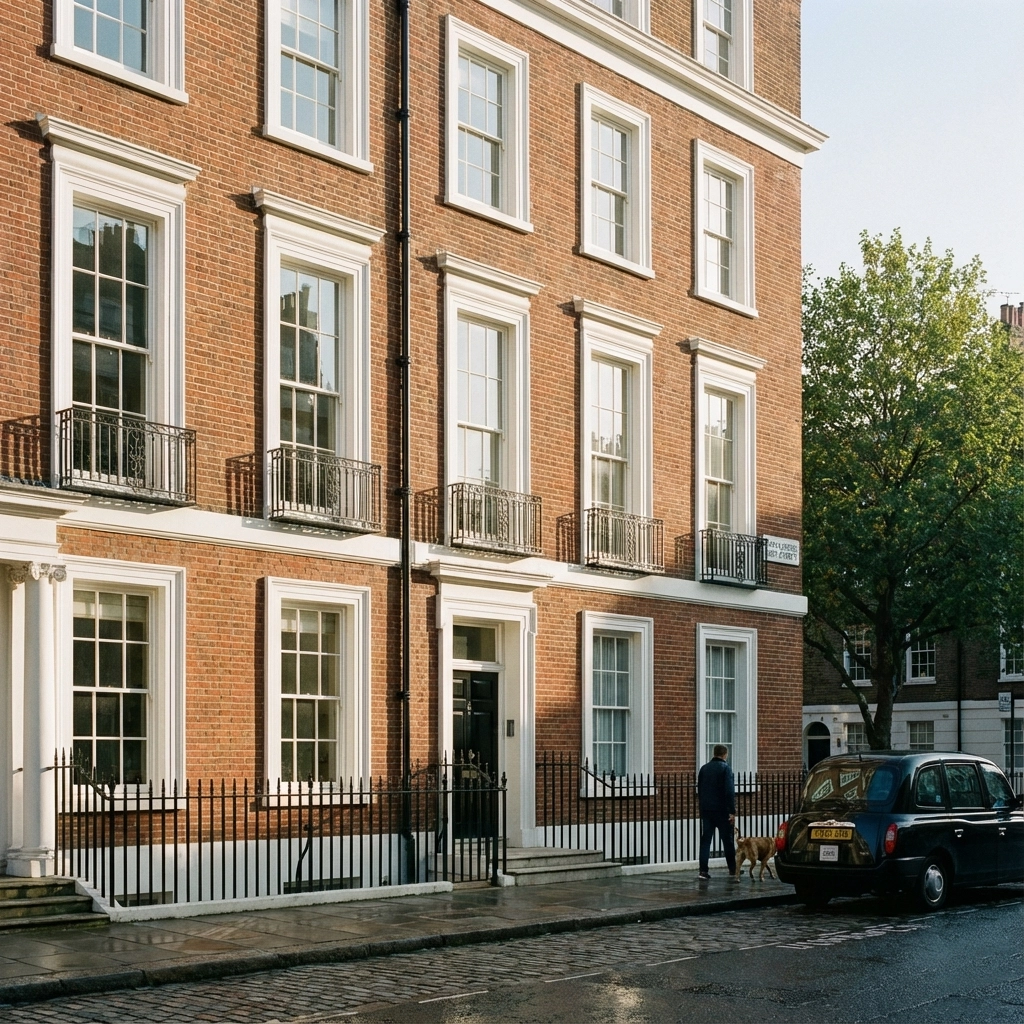
Living in the heart of central London comes with undeniable perks – world-class dining, cultural attractions, and the ultimate in urban convenience. But residents of Marylebone and Fitzrovia face a unique set of challenges that come with their prestigious W1 postcodes. From the constant hum of Euston Road traffic hitting 85-90dB to navigating Westminster's strict conservation requirements, property owners in these areas need sophisticated solutions that preserve their Georgian and Victorian heritage while creating peaceful, energy-efficient homes.
The W1 Dilemma: Village Charm Meets Urban Reality
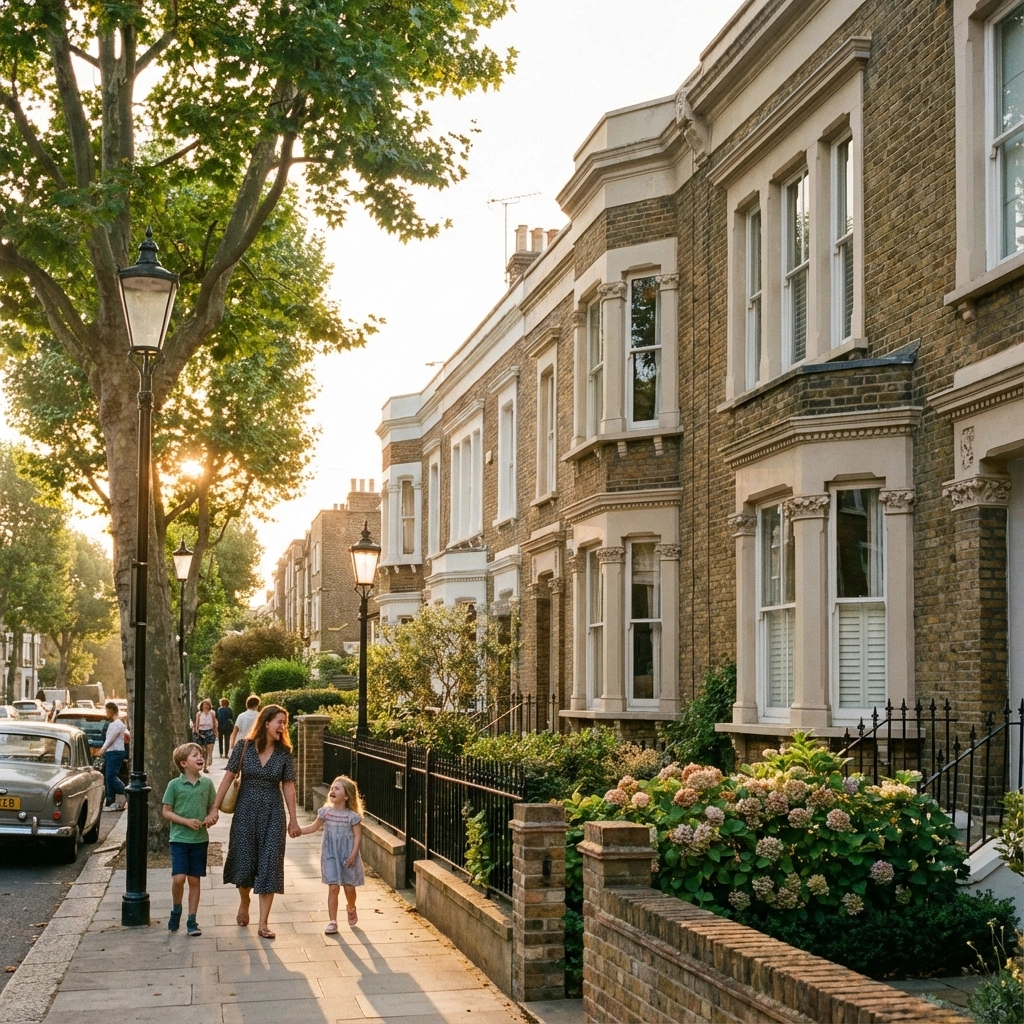
Marylebone's village-like High Street feels worlds away from the traffic chaos just streets over. This paradox defines daily life in W1 – you can browse independent boutiques and grab coffee at a pavement café, then walk two minutes to find yourself battling the noise from Oxford Street or Marylebone Road. Meanwhile, Fitzrovia's transformation into a media and tech hub has brought modern energy to historic streets, but also increased foot traffic and commercial activity.
For the medical professionals along Harley Street, the challenge is even more complex. Patient confidentiality demands absolute soundproofing, while listed building restrictions limit conventional glazing upgrades. Add property values ranging from £1.5-5M, and suddenly every home improvement decision carries serious weight.
The solution? Secondary glazing – a heritage-compliant approach that addresses noise, thermal efficiency, and security without altering the external appearance of period properties. Let's explore how three different W1 residents tackled their specific challenges.
W1 Noise Mapping: Understanding Your Exposure
Before exploring solutions, understanding W1's acoustic landscape helps property owners make informed decisions:
| Zone | Location Examples | Peak Noise Level | Primary Sources |
|---|---|---|---|
| Extreme | Euston Road, Marylebone Road junctions | 85-90dB | 50,000+ daily vehicles, buses |
| High | Baker Street, Tottenham Court Road | 75-84dB | Taxis, commercial traffic, construction |
| Moderate | Marylebone High Street, Harley Street | 65-74dB | Delivery traffic, medical appointments |
| Lower | Residential side streets | 55-64dB | Local traffic, pedestrians |
These measurements reveal why standard approaches – closing windows, heavy curtains – simply aren't sufficient for central London noise levels.
Case Study 1: Georgian Townhouse Revival in Marylebone Village
Sarah, a consultant radiologist, purchased a Grade II listed Georgian townhouse just off Marylebone High Street in 2023. The property's original sash windows were stunning examples of 18th-century craftsmanship, but they were also single-glazed and facing directly onto a busy side street that feeds into Baker Street.
"The character of the house was exactly what I fell in love with," Sarah explains, "but by 7 AM, the traffic noise made it impossible to sleep with windows open, even on the upper floors."
The challenge was significant. Westminster Council's conservation requirements meant any external alterations were out of the question. The windows couldn't be replaced or modified, leaving Sarah with limited options for noise reduction.
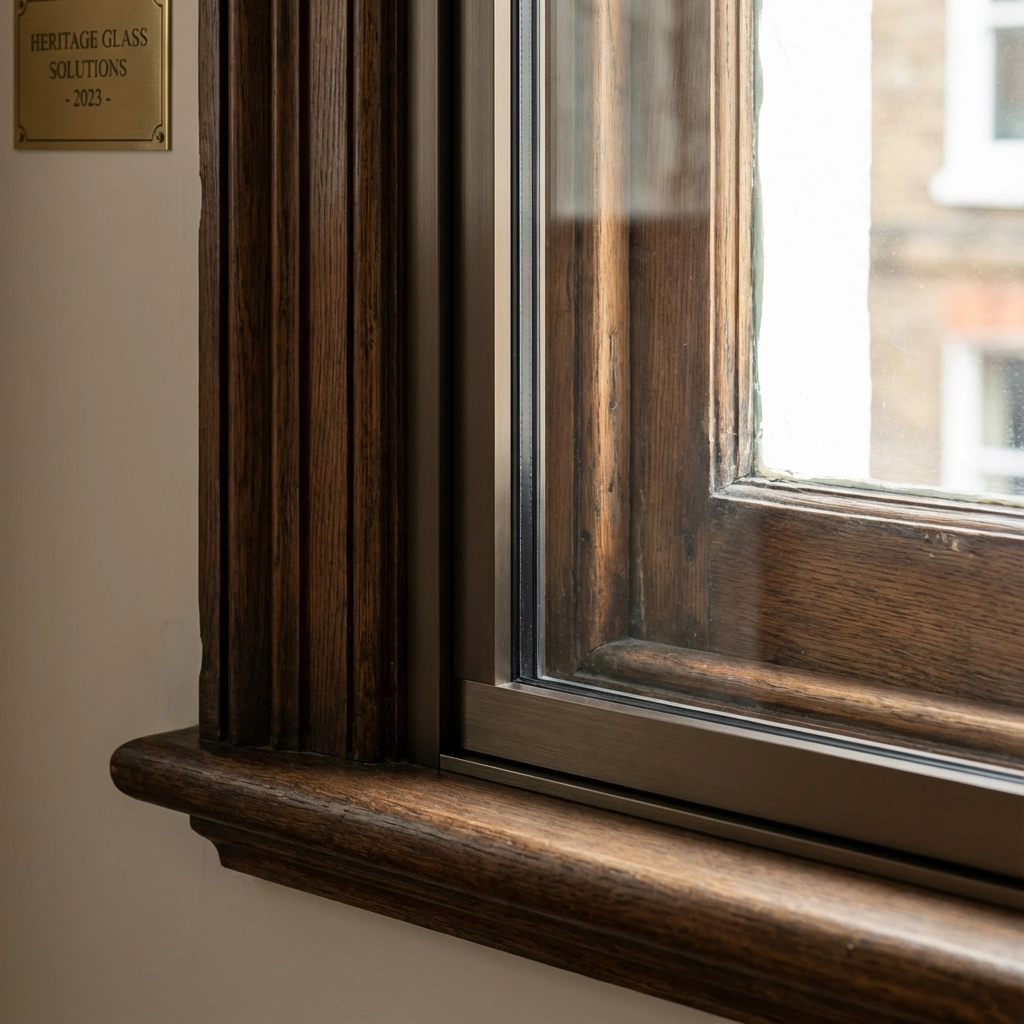
Working with secondary glazing specialists in Marylebone, Sarah discovered that secondary glazing could be fitted internally without affecting the building's listed status. The solution involved installing slim-profile aluminium frames that perfectly matched the original window divisions.
The installation process took just three days, with each room completed separately to minimize disruption. The secondary glazing units were designed as vertical sliders that operate independently from the original sash windows, allowing Sarah to control ventilation and access the primary windows for cleaning and maintenance.
Results achieved:
- External noise dropped from 78dB to 45dB – over 70% reduction
- Energy bills decreased by approximately 28% in the first winter
- Original Georgian character preserved completely
- Street-view appearance unchanged
Case Study 2: Harley Street Medical Practice Transformation
Dr. James Peterson runs a private cardiology practice from a converted Victorian house on Harley Street. While the location offers unparalleled prestige and convenience for his Marylebone-based clientele, the building's proximity to both Marylebone Road and the constant flow of taxis created serious soundproofing challenges.
"Patient consultations require absolute confidentiality," Dr. Peterson notes. "We couldn't have street noise interfering with sensitive discussions, and we certainly couldn't risk conversations being overheard from outside."
The practice occupied the ground and first floors of a mid-Victorian conversion, with consulting rooms facing both the street and a small rear courtyard. Traffic noise from Marylebone Road – measured at 82dB during peak hours – was penetrating through the original Victorian windows, while the courtyard windows faced ongoing construction work from neighboring property developments.
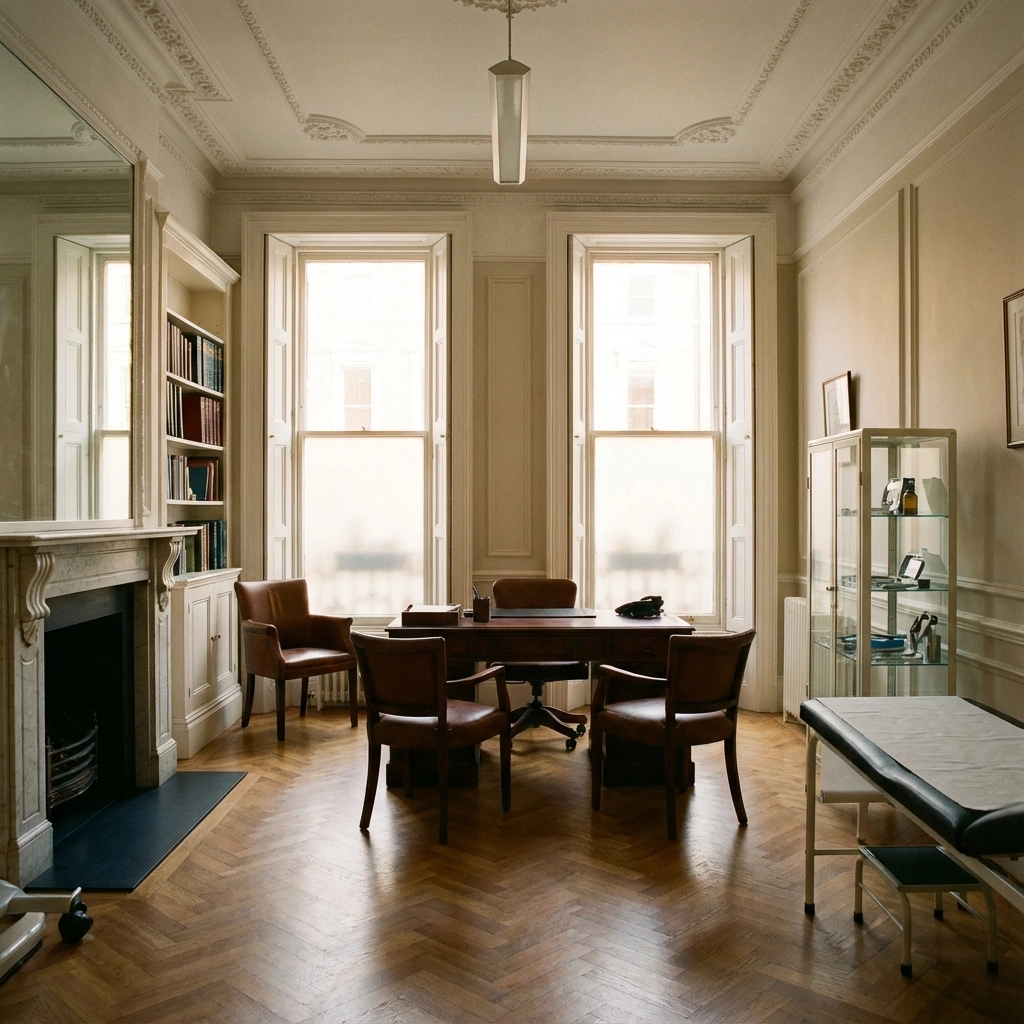
The solution required a multi-faceted approach. Secondary glazing specialists conducted a comprehensive acoustic survey and recommended different specifications for different exposures:
| Room Type | Noise Challenge | Glass Specification | Achieved Level |
|---|---|---|---|
| Main consulting room | 82dB street traffic | Heavy-duty acoustic laminate | 38dB |
| Examination rooms | 75dB mixed sources | Standard acoustic | 42dB |
| Courtyard offices | 70dB construction | Thermal with acoustic seals | 45dB |
| Reception | 78dB street + foot traffic | Acoustic with privacy tint | 40dB |
Installation was carefully scheduled around patient appointments, with work completed during evenings and weekends over a six-week period. The practice saw a 35% reduction in heating costs, particularly important given extended operating hours.
Case Study 3: Fitzrovia Media Professional's Modern Solution
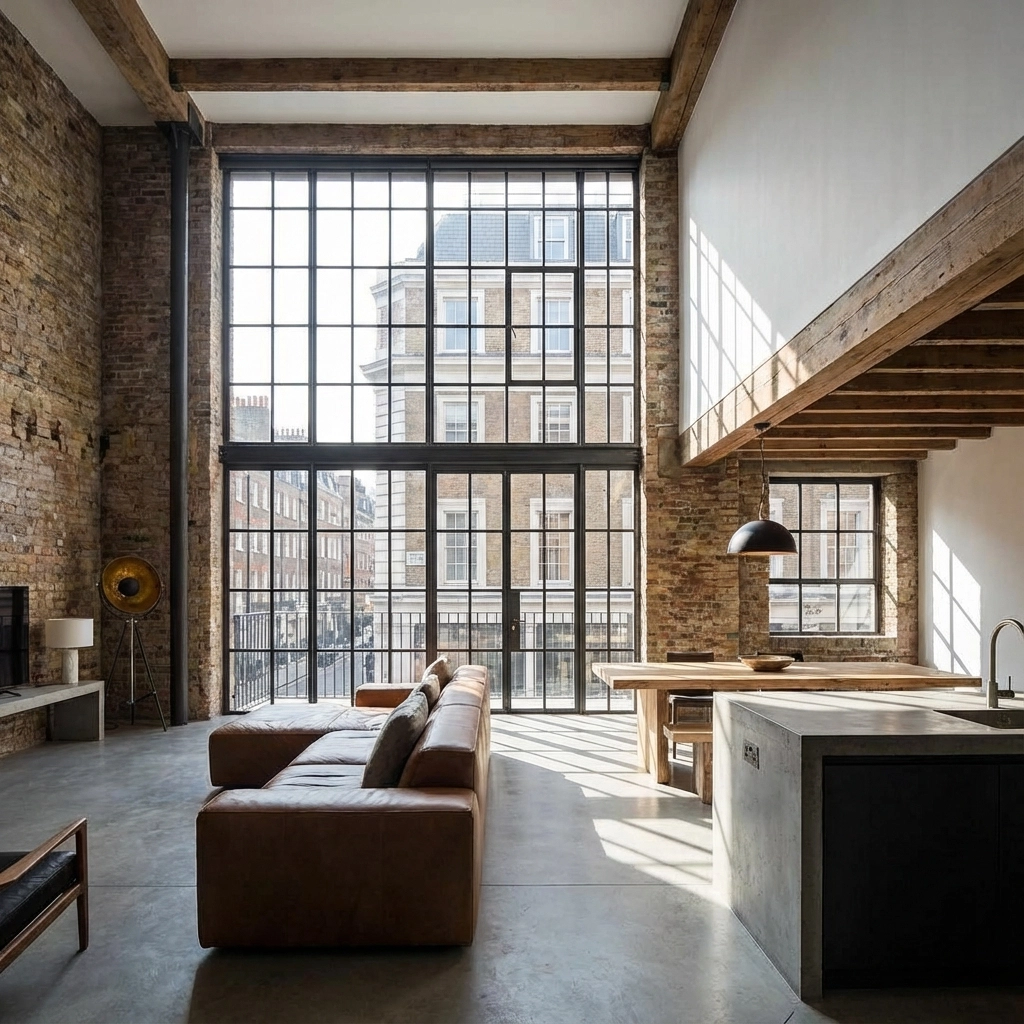
Tom, a television producer, moved to a converted warehouse apartment in Fitzrovia's creative quarter in early 2024. The open-plan living space featured large industrial windows that provided excellent natural light but offered minimal noise insulation from the increasingly busy streets below.
Fitzrovia's transformation into London's media and tech district has brought energy and investment, but also significantly increased traffic and pedestrian activity. Tom's apartment, located near the Charlotte Street/Goodge Street intersection, was particularly affected by the area's growing popularity.
"The windows were perfect for the space aesthetically," Tom explains, "but between delivery trucks, the Tube construction work, and late-night restaurant traffic, the noise was constant. As someone who works from home editing audio content, I needed a solution that wouldn't compromise the industrial feel but would give me professional-quality sound control."
The Fitzrovia secondary glazing specialists faced an interesting challenge – the original windows were large, industrial-style steel frames that couldn't accommodate traditional secondary glazing approaches. Instead, they designed a custom solution using horizontal sliding panels that could cover the entire window opening when needed or slide away completely to preserve the open, loft-like atmosphere.
Technical specifications:
- Panel dimensions: 2.4m × 1.8m horizontal sliders
- Glass: 10.8mm acoustic laminate
- Frame: Powder-coated aluminium matching original steel
- Operation: Full open, partial, or closed positions
The results exceeded expectations. During the day, Tom can slide the secondary glazing panels away completely, maintaining the apartment's industrial character and maximizing natural light. When working on audio projects or during busy evening hours, the panels can be closed to create a professionally quiet environment with noise levels dropping from 79dB to 41dB.
Westminster's Conservation Requirements: A Detailed Guide
Westminster Council oversees some of London's most significant architectural heritage, and their conservation requirements are among the strictest in the UK. Understanding these requirements is essential for W1 property owners.
Key Conservation Criteria
Design Compatibility: Secondary glazing must be invisible from street view and must not alter the proportions or appearance of original windows. This typically means slim-profile frames and glass matching the optical characteristics of primary glazing.
Reversibility: All installations must be completely reversible without damage to original windows or surrounding structure. This requirement ensures future flexibility while protecting historic fabric.
Material Standards: Westminster prefers aluminium framing systems over UPVC for durability and minimal visual impact. Glass specifications must meet thermal and acoustic requirements without compromising historical authenticity.
Professional Installation: The council requires installations by specialists experienced with heritage properties and familiar with conservation requirements.
Listed Building Considerations
For Grade I and Grade II listed properties common throughout W1:
| Listing Grade | Approval Required | Typical Timeline | Documentation Needed |
|---|---|---|---|
| Grade I | Full Listed Building Consent | 8-12 weeks | Heritage impact assessment, detailed specifications |
| Grade II | Usually permitted development | 2-4 weeks | Method statement, reversibility confirmation |
| Conservation Area (unlisted) | Notification recommended | 1-2 weeks | Brief specification outline |
Working with conservation area secondary glazing specialists streamlines this process considerably.
Medical District Soundproofing: Harley Street Requirements
The concentration of medical practices along Harley Street creates specialized soundproofing challenges that go beyond typical residential needs:
Patient Confidentiality Standards:
- Consultation rooms: Maximum 40dB ambient noise
- Examination areas: Maximum 45dB
- Waiting rooms: Maximum 50dB
- External sound transmission: Effectively zero
Traffic Management Challenges: The constant flow of medical appointment traffic creates parking challenges and increased vehicle noise. Harley Street's narrow width amplifies sound reflection, making effective glazing even more critical.
Professional Environment Requirements: The acoustic environment must support sensitive medical procedures and confidential consultations throughout extended operating hours.
Secondary glazing solutions for medical practices typically incorporate enhanced acoustic specifications including thicker glass, specialized acoustic interlayers, and precision-fitted seals that eliminate sound leakage.
Technical Performance in W1 Environments
Secondary glazing's effectiveness in central London environments comes from several technical advantages:
Acoustic Performance Benchmarks
| Installation Type | Typical Reduction | Best For |
|---|---|---|
| Standard secondary glazing | 60-70% | Moderate noise, thermal priority |
| Acoustic specification | 70-80% | High traffic areas, professional use |
| Heavy-duty acoustic | 80-85% | Extreme noise, medical/recording |
Thermal Efficiency Gains
- Creates additional insulation layer without external alterations
- Reduces heat loss by up to 60% compared to single glazing
- Eliminates cold spots and drafts common in period properties
- Typically produces 25-35% reduction in heating costs
Heritage Compatibility Features
- Completely reversible installation process
- No external visual impact when properly designed
- Protects original windows from weather damage
- Allows continued maintenance of primary glazing
Investment Analysis for W1 Properties
Secondary glazing represents significant investment, particularly justified in high-value W1 properties:
| Property Type | Typical Cost | Energy Savings | Payback Period |
|---|---|---|---|
| 2-bed apartment | £3,000-6,000 | £400-600/year | 8-12 years |
| Georgian townhouse | £8,000-15,000 | £800-1,200/year | 10-15 years |
| Medical practice | £15,000-30,000 | £1,500-2,500/year | 8-12 years |
| Large period house | £20,000-40,000 | £2,000-3,500/year | 10-14 years |
Value Enhancement
For properties in the £1.5-5M range common in W1:
- Heritage-compatible improvements add measurable value
- Noise control increasingly important for buyers
- Energy efficiency credentials becoming essential
- Professional environments command rental premiums
Installation Process in Central London
Installing secondary glazing in Marylebone and Fitzrovia requires careful planning:
Initial Assessment (2-3 hours):
- Professional acoustic measurement
- Heritage assessment
- Technical feasibility analysis
- Detailed quotation
Timeline by Project Size:
- Single room: 4-6 hours
- Whole apartment: 2-3 days
- Large house: 5-7 days
- Commercial premises: 1-2 weeks
Logistics Considerations:
- Parking permit coordination
- Building access arrangements
- Material delivery scheduling
- Noise-sensitive timing for neighbors
Choosing the Right Specialist for W1
The complexity of working in Marylebone and Fitzrovia makes specialist selection critical:
Essential Qualifications:
- Proven conservation experience with Westminster properties
- Acoustic engineering expertise
- Local knowledge of W1 logistics
- Professional accreditations and insurance
Questions to Ask:
- How many Westminster conservation projects have you completed?
- Can you provide heritage assessment documentation?
- What acoustic performance guarantees do you offer?
- How do you handle parking and access in central London?
The Future of W1 Living
As Marylebone and Fitzrovia continue to evolve – with ongoing development, changing traffic patterns, and increasing property values – the demand for heritage-compatible improvements will only grow. Secondary glazing represents a mature technology perfectly suited to the area's unique challenges.
The success stories from residents like Sarah, Dr. Peterson, and Tom demonstrate that it's possible to maintain the character and authenticity that makes W1 special while achieving modern standards of comfort, efficiency, and professional functionality.
For property owners considering their options, the key is working with specialists who understand that every installation in these prestigious postcodes must balance multiple requirements – acoustic performance, thermal efficiency, heritage compliance, and long-term value enhancement.
Whether you're dealing with Euston Road traffic, seeking medical practice soundproofing, or simply wanting to enjoy the village atmosphere of Marylebone High Street without the urban noise, secondary glazing offers proven solutions that respect the past while embracing the future.
Ready to explore your options? Request a free heritage assessment to understand exactly how secondary glazing can transform your central London property.
Sources & References
Citations could not be generated at this time.
People Also Ask
Related questions could not be generated at this time.
Frequently Asked Questions
FAQs could not be generated at this time.