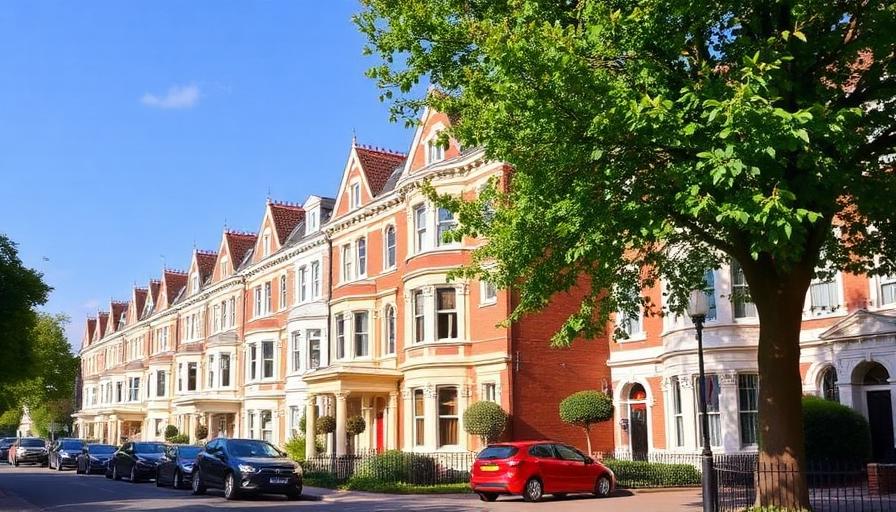
Kew represents a unique intersection of botanical heritage, architectural elegance, and acoustic challenge. As home to the Royal Botanic Gardens—a UNESCO World Heritage Site—and positioned directly under Heathrow's eastern approach, Kew homeowners face distinct challenges that require specialist secondary glazing solutions respecting both international heritage standards and modern comfort expectations.
Kew's Exceptional Heritage Context
The presence of a UNESCO World Heritage Site creates planning sensitivities that extend beyond the gardens themselves:
Buffer Zone Considerations
Properties within sight of Kew Gardens fall under enhanced scrutiny:
- Richmond Council applies heightened design standards
- Views to and from the gardens protected
- Any visible external changes carefully assessed
- Long-term reversibility of modifications expected
Conservation Area Coverage
Virtually all residential Kew falls within conservation areas:
- Kew Green Conservation Area: Georgian and Victorian properties around the historic green
- Kew Gardens Conservation Area: Properties adjacent to the botanic gardens
- North Sheen Conservation Area: Edwardian residential streets
- Grove Park Conservation Area: Substantial Victorian and Edwardian villas
Listed Building Concentration
Kew contains numerous listed structures:
- Georgian houses around Kew Green
- Victorian gate lodges and estate buildings
- Edwardian villa complexes
- Historic commercial buildings on Kew Road
The Heathrow Challenge
Kew's position under Heathrow's eastern approaches creates unavoidable acoustic exposure:
Western Runway Approaches
- Direct overhead flight path for westerly landings
- Aircraft at 2,000-3,000 feet altitude
- Noise levels: 68-78dB during peak operations
- Concentrated movements 6am-11pm
Easterly Departures
- Take-off noise from eastern runway
- Higher altitude but still significant
- Different frequency profile to landings
- Night flights creating sleep disturbance
Operational Patterns
- Wind direction determines active runway
- Alternation between runways provides some relief
- Peak hour concentrations most challenging
- Cumulative impact throughout the day
Low-Frequency Noise Characteristics
Aircraft noise presents specific acoustic challenges:
- Deep bass frequencies from jet engines
- Difficult to block with standard glazing
- Requires specialist laminated glass
- Cavity depth critical for effectiveness
Technical Specifications for Kew Properties
Victorian Villa Windows
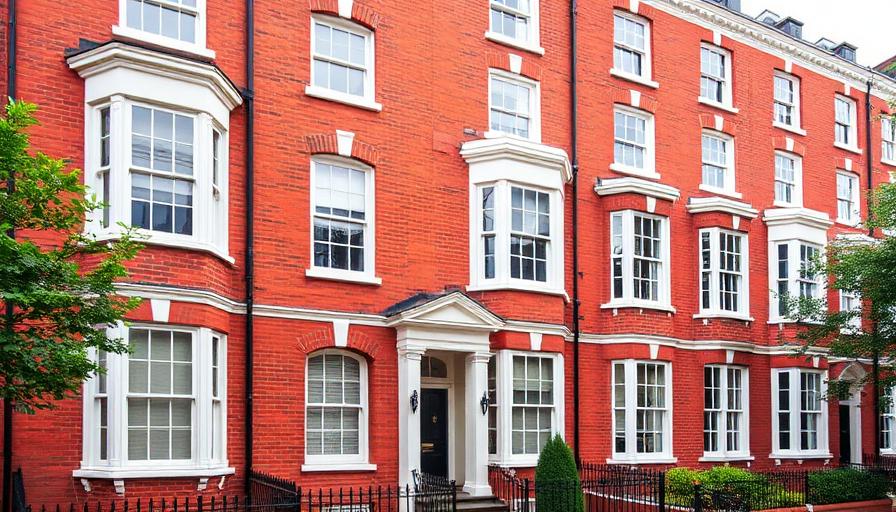
Grove Park and surrounding streets feature substantial properties with:
Large Bay Windows
- Three-sided projecting bays
- Combination of fixed and opening sashes
- Typical dimensions: 2.5m wide × 2m high
- Deep reveals accommodating secondary frames
Standard Sash Windows
- 1-over-1 or 2-over-2 configurations
- Large pane sizes reflecting Victorian taste
- Timber frames in various conditions
- Often with original hardware
French Doors and Garden Access
- Ground floor access to gardens
- Tall, elegant proportions
- Multiple opening configurations
- Integration with conservatory additions
Edwardian Properties
Later Arts and Crafts influenced homes feature:
- Decorative upper lights with leaded glass
- Casement windows with period hardware
- Combination windows with fixed and opening sections
- Bay windows with squared profiles
Glazing Specifications for Flight Path Exposure
Heathrow noise requires maximum specification:
Primary Flight Path Properties
- 10.8mm acoustic laminated glass minimum
- Specialist low-frequency acoustic interlayer
- 150-200mm cavity depth essential
- Target: 45-48dB noise reduction
Secondary Exposure Properties
- 8.8mm acoustic laminated glass
- Standard acoustic interlayer
- 100-150mm cavity depth
- Target: 42-45dB noise reduction
Enhanced Specifications
- 12.8mm glass for most severe exposure
- Double acoustic interlayer construction
- Maximum achievable cavity depth
- Supplementary acoustic treatments
Case Study: Kew Green Victorian Villa
A substantial 1880s property facing Kew Green presented complex requirements:
Initial Conditions
- Direct Heathrow flight path: 74dB peak events
- Kew Road traffic: 68dB continuous
- Original Victorian sashes in varying condition
- Grade II listing requiring heritage compliance
Conservation Challenges
- Listed building consent required
- UNESCO buffer zone considerations
- Views to Kew Gardens to be maintained
- Original windows of heritage significance
Installation Solution
- Bespoke timber frames matching existing profiles
- 10.8mm acoustic laminated glass throughout
- 175mm cavity depth in deep Victorian reveals
- Heritage bronze powder-coat finish option for some locations
Results Achieved
- Aircraft noise: 72dB reduced to 26dB internal
- Traffic noise: 68dB reduced to 24dB internal
- Full heritage approval obtained
- No visible external change
Grove Park: Substantial Family Homes
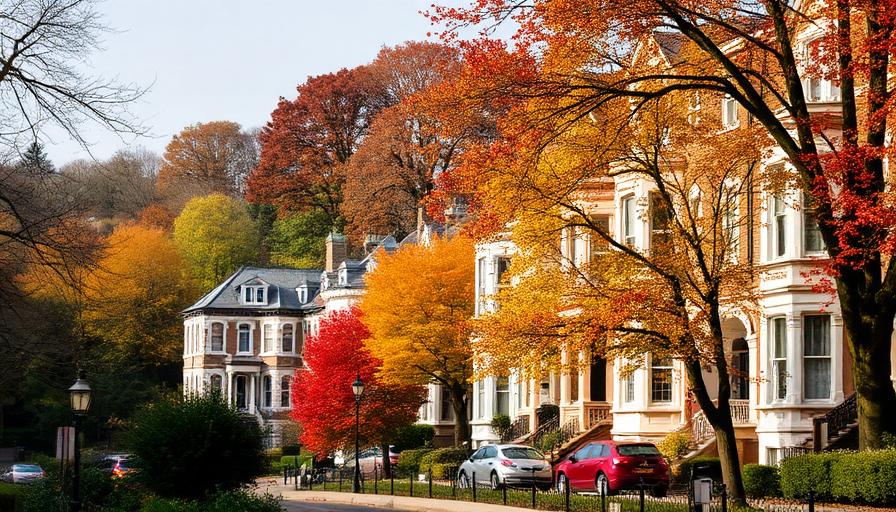
Grove Park's tree-lined avenues contain some of London's finest Victorian and Edwardian villas:
Property Characteristics
- Properties typically 3,000-6,000 sq ft
- Large gardens backing onto the park
- Multiple reception rooms with extensive fenestration
- Period features including stained glass and decorative plasterwork
Acoustic Environment
- Heathrow flight paths overhead
- A316 traffic audible from South Circular proximity
- Generally quieter than Kew Road properties
- Park activities creating seasonal variations
Recommended Approach
- Comprehensive whole-house treatment
- Prioritise bedrooms and study spaces
- Match existing window character precisely
- Consider supplementary roof insulation
North Sheen: Edwardian Character
The North Sheen area offers more modest but equally characterful properties:
Property Types
- Three and four-bedroom Edwardian terraces
- Semi-detached family homes
- Some interwar additions
- Conservation area protections throughout
Acoustic Challenges
- Sheen Lane traffic
- South Circular proximity (A205)
- Railway noise from adjacent lines
- Generally moderate flight path exposure
Cost-Effective Solutions
- 6.4mm acoustic laminated glass for moderate exposure
- Slim-profile aluminium for invisible installation
- 75-100mm cavity where reveals permit
- Phased installation prioritising key rooms
Cost Analysis for TW9 Properties
Substantial Victorian Villa (Kew Green/Grove Park)
- Window count: 16-24 windows
- Heritage requirements: Listed building specification
- Glass specification: 10.8mm acoustic laminated
- Investment range: £16,000-£32,000
- Per-window average: £900-£1,400
Victorian/Edwardian Family Home
- Window count: 12-18 windows
- Standard requirements: Conservation-sympathetic
- Glass specification: 8.8mm acoustic laminated
- Investment range: £9,600-£16,200
- Per-window average: £700-£950
Edwardian Terrace (North Sheen)
- Window count: 8-12 windows
- Budget considerations: Prioritised rooms
- Glass specification: 6.4mm-8.8mm laminated
- Investment range: £5,600-£10,800
- Per-window average: £600-£850
Value Justification
Kew property values strongly support acoustic investment:
- Average house price TW9: £1.2-2.5 million
- Kew Green premium: £2.5-4 million
- Grove Park villas: £1.8-3.5 million
- North Sheen terraces: £900,000-1.4 million
Premium for acoustic treatment: 2-5% value uplift in flight path areas.
Working with Richmond Council
Listed Building Consent
Kew's listed buildings require:
- Pre-application discussion with conservation officer
- Detailed heritage impact assessment
- Material and colour specifications
- Installation methodology description
- Reversibility demonstration
Allow 8-12 weeks for determination; most sympathetic applications approved.
UNESCO Considerations
While secondary glazing rarely triggers UNESCO concerns:
- Document compatibility with World Heritage values
- Demonstrate no impact on significant views
- Provide heritage-quality finishes
- Maintain complete reversibility
Building Regulations
Standard installations typically exempt, but consider:
- Fire escape requirements from bedrooms
- Adequate ventilation provisions
- Accessibility for maintenance
- Integration with existing security systems
Environmental Performance
Carbon Reduction Benefits
Secondary glazing supports sustainability objectives:
- Heating reduction: 25-40% energy savings
- Embodied carbon: Preserved original windows
- Building longevity: Extended heritage lifespan
- Avoided emissions: No new window manufacture
EPC Improvement
- Typical improvement: One band (e.g., D to C)
- Supporting documentation for rating assessments
- Value for future sale or rental
- Compliance with emerging regulations
Kew Gardens Proximity Benefits
Living near the Royal Botanic Gardens provides:
- Unparalleled green space access
- Educational and cultural amenities
- Property value stability
- Unique environmental context
Secondary glazing enables full enjoyment of this exceptional location whilst mitigating Heathrow's acoustic intrusion.
Summary: Protecting Your Kew Sanctuary
Kew's combination of UNESCO World Heritage status, exceptional architecture, and Heathrow flight path exposure creates unique challenges that secondary glazing expertly addresses. For homeowners in TW9, professional acoustic treatment is essential for comfortable living whilst respecting the heritage context that makes Kew so special.
Key considerations for Kew homeowners:
- Flight path exposure requires specialist low-frequency treatment
- UNESCO buffer zone brings enhanced planning sensitivity
- Victorian and Edwardian properties suit internal secondary glazing perfectly
- Listed building consent achievable with heritage-sympathetic proposals
- Energy savings provide ongoing return on investment
The botanical paradise of Kew deserves peaceful enjoyment. Contact our Kew specialists for a comprehensive acoustic assessment, heritage-sensitive design proposals, and detailed quotation for your property.
Your sanctuary awaits—let us help you reclaim it from the skies.
Sources & References
Citations could not be generated at this time.
People Also Ask
Related questions could not be generated at this time.
Frequently Asked Questions
FAQs could not be generated at this time.