Secondary Glazing in Islington & Canonbury: The Complete N1 Heritage Guide
Islington and Canonbury represent the best of inner London living—elegant Georgian squares, leafy Victorian crescents, and vibrant urban culture within walking distance of the City. For homeowners in these prestigious N1 postcodes, secondary glazing offers the perfect balance between heritage preservation and contemporary comfort, addressing the acoustic challenges of city living while protecting architectural authenticity.
The Architectural Richness of N1
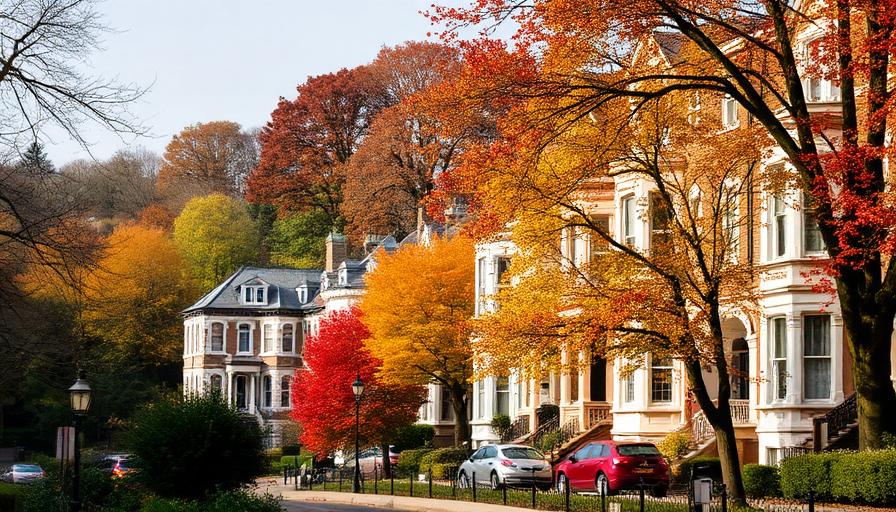
Islington's transformation from pastoral village to fashionable Georgian suburb and then to its current status as one of London's most desirable addresses has created an architectural heritage of exceptional quality and coherence. The area's development history is written in its buildings—from the early Georgian terraces around Canonbury Square to the grand Victorian mansions of Highbury and the distinctive Edwardian developments of Barnsbury.
Canonbury, centred on the ancient Canonbury Tower and its surrounding estates, offers particularly distinguished Georgian architecture. The Canonbury Square and Alwyne Villas Conservation Area encompasses some of London's finest surviving Regency terraces, with properties commanding prices of £2-5 million for houses and £500,000-1.5 million for flats.
Upper Street and its surrounding streets combine commercial vitality with residential elegance, creating an urban environment where restaurants, theatres, and galleries sit alongside carefully preserved period homes. This mix of uses creates acoustic challenges that secondary glazing is ideally suited to address.
The broader Islington area encompasses numerous distinct neighbourhoods—Barnsbury, Highbury, Holloway, and Angel—each with characteristic architectural styles and conservation considerations. Understanding these local variations is essential for successful secondary glazing specification.
Conservation Obligations: Islington's Heritage Framework
Islington Council operates one of London's most comprehensive heritage protection regimes, with 40 conservation areas covering the majority of the borough's historic building stock. The Council's policies reflect the area's exceptional architectural significance and the importance of maintaining coherent historic streetscapes.
Conservation Area Implications: Within Islington's conservation areas, any external changes to building appearance require planning consideration. This includes window replacement, which typically requires planning permission and may be refused if proposals would harm the area's character.
Listed Building Requirements: The borough contains over 4,000 listed buildings, from the Grade I Canonbury Tower to numerous Grade II terraced houses. Listed building consent is required for any works affecting the special character of these buildings, including internal alterations that impact historic fabric.
Article 4 Directions: Many Islington conservation areas are covered by Article 4 Directions that remove permitted development rights for changes to windows, doors, and other external elements. This makes secondary glazing—as an internal, reversible intervention—the practical choice for performance improvement.
Secondary glazing's position as an internal installation that preserves original windows aligns perfectly with Islington's conservation philosophy. The technology delivers modern performance without the heritage compromises that window replacement would entail.
Understanding N1's Acoustic Environment
Living in inner London brings acoustic challenges that rural or suburban locations don't face. Islington's popularity, excellent transport links, and vibrant commercial activity create a noise environment that demands sophisticated solutions.
Upper Street and Essex Road: The borough's main commercial arteries generate continuous traffic noise, with peak levels of 75-82dB. Bus routes, delivery vehicles, and general traffic create both consistent background noise and irregular peaks that can disrupt sleep and concentration.
Rail Infrastructure: The East Coast Main Line runs through Islington, with trains generating significant noise for properties along the route. Highbury & Islington station's combination of Victoria Line, North London Line, and National Rail services creates particular challenges for nearby properties.
Underground Vibration: Victoria Line trains running beneath significant portions of Islington generate ground-borne noise and vibration. Properties directly above tunnels may experience both airborne noise and structural vibration transmitted through the building fabric.
Nightlife and Entertainment: Upper Street's restaurants, bars, and clubs create late-night noise that affects residential properties throughout the week. The concentration of licensed premises makes acoustic insulation increasingly important for maintaining quality of life.
General Urban Ambience: Even streets away from main roads experience urban noise levels—sirens, aircraft, construction, neighbours—that cumulate into a background noise level significantly higher than quieter areas.
Secondary Glazing: The Intelligent Solution
For Islington's irreplaceable Georgian and Victorian windows, secondary glazing provides performance transformation without heritage compromise. The technology addresses the limitations of historic single glazing while preserving every detail of original fenestration.
How It Works: Secondary glazing involves installing additional glazed panels on the room side of existing windows. The air gap between primary and secondary glazing—typically 100-200mm—provides both thermal insulation and acoustic decoupling that dramatically improves performance.
Acoustic Performance: The separation between primary and secondary glazing prevents sound transmission through structural connection, making secondary glazing more effective for noise reduction than sealed double glazing where panes can transmit vibration between them. Properly specified secondary glazing achieves 40-48dB noise reduction.
Heritage Preservation: Original windows remain in situ, fully functional, and unaltered. The secondary glazing can be removed entirely if required, leaving no permanent impact on historic fabric. This reversibility is fundamental to heritage-appropriate intervention.
Thermal Benefits: The insulating air layer dramatically reduces heat loss through windows, addressing one of the main sources of energy waste in period properties. Single-glazed windows with secondary glazing can match or exceed modern double glazing performance.
Case Study 1: Georgian Terrace on Canonbury Square
A magnificent four-storey Georgian terrace house on Canonbury Square—one of London's finest Regency addresses—required acoustic solutions worthy of its exceptional architectural status. The property retained original twelve-over-twelve sash windows with crown glass and delicate astragal bars representing craftsmanship of the highest order.
The owners, a professional couple with young children, found traffic noise from surrounding streets and the general urban ambience of busy Islington incompatible with peaceful family life. Bedrooms at the front of the house were particularly affected, with sleep disruption a regular occurrence.
Working closely with Islington's conservation team, the installation employed bespoke timber secondary glazing frames finished to match the original Georgian window furniture. The deep window reveals accommodated 180mm air gaps with 6.8mm acoustic laminated glass, achieving measured noise reduction of 45dB.
Particular attention was required for rooms retaining original working shutters, where the secondary glazing had to integrate with historic joinery. Custom frame profiles ensured the installation enhanced rather than compromised these exceptional interiors.
Case Study 2: Victorian Flat Near Angel
A first-floor flat in a converted Victorian house near Angel Underground station faced the particular challenges of urban living at its most intense. The combination of busy Upper Street, Underground infrastructure, and the general bustle of one of London's most popular entertainment districts created acoustic conditions that significantly affected quality of life.
The flat's bay windows—characteristic Victorian features—were beautiful but acoustically problematic. The multiple panes and complex geometry created sound transmission paths that simple solutions couldn't address.
The secondary glazing solution employed curved-on-plan units precisely manufactured to follow the bay window geometry. The seamless integration maintained the architectural impact of the original windows while creating the sealed air cavity necessary for acoustic performance.
Post-installation testing confirmed noise reduction of 41dB, transforming the flat's acoustic environment. The owners reported dramatic improvement in sleep quality and the ability to relax peacefully despite the urban activity outside.
Case Study 3: Barnsbury Conservation Area Property
A substantial Victorian family house in the heart of Barnsbury presented the classic challenge of improving period property performance while respecting stringent conservation area requirements. The property occupied a corner plot, with exposure to traffic noise from two directions.
The house featured original sash windows throughout, many retaining their original glass and much of their original hardware. Any solution had to preserve these valuable heritage elements while delivering meaningful acoustic improvement.
The installation used slimline aluminium secondary glazing frames powder-coated to complement the original window colours. Different glass specifications were employed depending on exposure—acoustic laminated glass for street-facing windows and standard secondary glazing for garden-facing openings.
The project achieved 38dB noise reduction on the principal elevations, with thermal performance improvements reducing heating costs by an estimated 28%. The property's EPC rating improved from E to C, reflecting the significant energy efficiency gains.
Technical Specifications for N1 Applications
The variety of property types and acoustic challenges across Islington requires flexible specification approaches tailored to specific circumstances.
Glass Selection Matrix:
- Standard 4mm float glass: Basic thermal improvement only
- 6.4mm laminated glass: Moderate noise reduction (35-38dB), suitable for quieter streets
- 6.8mm acoustic laminated glass: Optimal noise reduction (40-43dB), suitable for most N1 applications
- 8.8mm acoustic laminated glass: Maximum noise reduction (45-48dB), suitable for severe noise environments
Air Gap Optimisation: Georgian and early Victorian properties often feature deep window reveals accommodating 150-200mm air gaps. Later Victorian properties typically allow 100-150mm. Wider gaps improve low-frequency performance—critical for traffic noise with significant bass content.
Frame Profiles: Slim aluminium frames (20-35mm face width) provide minimal visual impact while ensuring structural integrity. Timber frames suit the most sensitive heritage applications where traditional materials are essential. Colour matching to original window furniture ensures visual integration.
Operating Systems: Hinged panels provide full access to original windows. Horizontal sliding systems suit sash windows where matching original operation is preferred. Lift-out panels offer complete removability for occasional access. Tilt-and-turn options combine ventilation with access.
Working Within Islington's Planning Framework
Successfully implementing secondary glazing in Islington requires understanding the borough's heritage expectations and working constructively within established frameworks.
Conservation Areas: For unlisted properties in conservation areas, secondary glazing as an internal installation typically falls outside planning control. The critical requirement is that original windows remain unaltered and the installation has no external visibility.
Listed Buildings: Listed building consent may be required for secondary glazing installation, depending on the building's significance and the proposed installation details. Early consultation with Islington's conservation officers clarifies requirements for specific properties.
Documentation Best Practice: Maintaining comprehensive records of the installation—including photographs, specifications, and any approvals—provides valuable documentation for future property transactions and demonstrates heritage compliance.
Working with Conservation Officers: Islington's conservation team generally supports secondary glazing as a heritage-sensitive approach to performance improvement. Demonstrating understanding of the building's significance and commitment to reversibility helps ensure positive engagement.
Investment Analysis: Value and Returns
In Islington's premium property market—where Georgian houses regularly exceed £3 million and even modest flats command substantial prices—secondary glazing represents sophisticated value enhancement that aligns with heritage preservation principles.
Market Value Impact: Properties with documented acoustic improvements often command premiums in noise-affected areas. Buyers increasingly expect contemporary comfort standards, and demonstrable solutions to noise problems enhance both saleability and value.
Energy Cost Reduction: Secondary glazing reduces window heat loss by up to 65%, delivering meaningful savings on heating costs. For larger properties with extensive glazing, annual savings typically reach £300-600, providing reasonable payback periods on the investment.
Comfort Enhancement: The improved acoustic and thermal environment directly enhances quality of life—measurable in peaceful sleep, productive home working, and relaxed domestic life. For busy professionals and families, this comfort represents genuine value beyond financial calculation.
Maintenance Avoidance: Protecting original windows from thermal stress extends their service life. The cost of sympathetic restoration or replacement of Georgian and Victorian windows significantly exceeds secondary glazing investment.
Comprehensive Performance Benefits
While acoustic improvement typically drives secondary glazing decisions in N1, the comprehensive benefits address multiple aspects of period property performance:
Thermal Efficiency: Creating an insulating air layer between primary and secondary glazing dramatically improves thermal performance. Heat loss through windows can reduce by 50-65%, with U-value improvements from around 5.0 W/m²K (single glazing) to 1.8-2.0 W/m²K.
Draft Elimination: Original sash windows permit significant air infiltration around meeting rails, pulley stiles, and staff beads. Secondary glazing seals the room side completely, eliminating drafts that waste energy and compromise comfort.
Condensation Control: The warm inner surface of secondary glazing prevents condensation that damages window frames, promotes mould growth, and requires constant management. This preservation benefit protects both investment and health.
Security Enhancement: Laminated glass options provide enhanced break-in resistance without visible external changes. For ground-floor flats and properties in busy areas, this security improvement merits consideration.
UV Protection: Specialist coatings reduce UV transmission by up to 99%, protecting furnishings, artwork, and period decorative schemes from sun damage. Properties with significant collections or original decoration particularly benefit.
Professional Excellence: Installation Standards
The successful installation of secondary glazing in N1's heritage properties demands professional expertise combining traditional building knowledge with contemporary glazing technology.
Comprehensive Survey: Professional assessment establishes existing conditions, identifies repairs required before installation, measures accurately for bespoke manufacturing, and develops specifications addressing each property's specific requirements.
Precision Manufacturing: Secondary glazing units are manufactured to precise measurements for each window opening. Manufacturing quality directly affects both performance and aesthetics—critical for installation in architecturally significant properties.
Expert Installation: Proper fitting ensures the sealed air cavity essential for performance, with attention to frame alignment, weatherstripping, and finishing details. Professional installation in occupied properties requires careful management of dust, access, and timing.
Aftercare: Quality installers provide maintenance guidance and remain available to address any issues arising after installation. The long service life of secondary glazing—typically 25-30 years—makes installer reliability an important consideration.
Conclusion: Enhancing Islington's Heritage
For homeowners in Islington and Canonbury, secondary glazing represents the intelligent approach to period property improvement—delivering contemporary comfort while preserving the architectural heritage that makes N1 so desirable.
The technology addresses genuine urban living challenges without requiring the heritage compromises that alternative approaches would entail. Original Georgian sashes and Victorian bays remain in place, their heritage value preserved for future generations, while their performance limitations are overcome through sensitive, reversible intervention.
Whether the priority is peaceful sleep despite Upper Street's nightlife, productive home working unaffected by traffic noise, or reduced energy bills in energy-hungry period properties, secondary glazing provides tailored solutions for each situation.
The investment in secondary glazing pays returns in comfort, efficiency, and property value—while contributing to the heritage preservation that maintains Islington's exceptional character. For those fortunate to own property in one of London's most distinguished inner-city neighbourhoods, secondary glazing ensures their homes meet contemporary expectations while honouring the craftsmanship of Georgian and Victorian builders.
In the continuing evolution of this historic area, secondary glazing ensures that heritage and comfort coexist—providing the peaceful, efficient living environments that modern life demands within buildings that represent London's finest architectural traditions.
Sources & References
Citations could not be generated at this time.
People Also Ask
Related questions could not be generated at this time.
Frequently Asked Questions
FAQs could not be generated at this time.