Secondary Glazing in Blackheath & Greenwich: Maritime Heritage Meets Modern Living
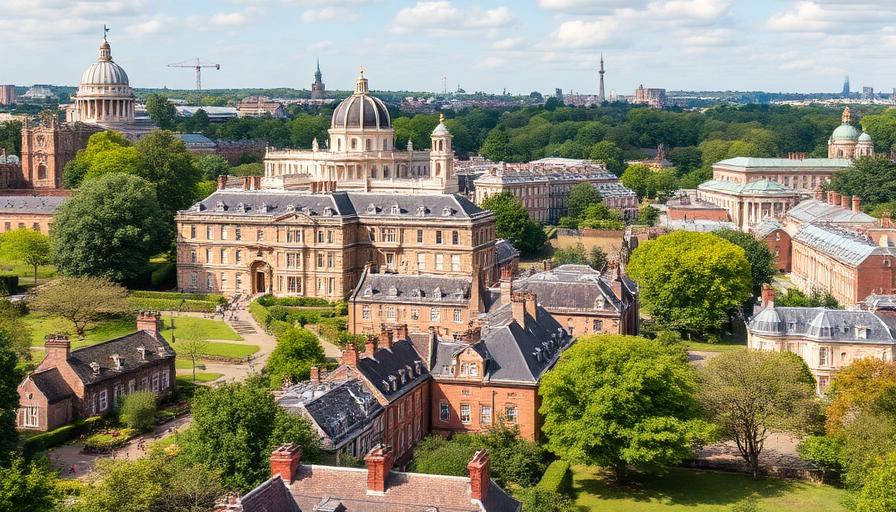
Blackheath and Greenwich occupy a unique position in London's residential landscape. The sweeping heath, Georgian crescents, and proximity to the Thames combine with world-class cultural attractions and UNESCO World Heritage status to create neighborhoods that feel simultaneously historic and vibrant. SE3 and SE10 attract discerning buyers who appreciate architectural heritage, green space, and the particular quality of life that comes from living in genuinely special places.
If you've secured one of those elegant Georgian townhouses on the Paragon or a Victorian villa with heath views, you understand the premium attached to properties that combine period character with exceptional locations. You've also likely discovered that the A2's constant traffic drone, the rumble of DLR trains, and the acoustic challenges of single-glazed Georgian windows weren't mentioned in the particulars.
World Heritage Considerations: The Greenwich Factor
Greenwich's designation as a UNESCO World Heritage Site creates unique obligations for property owners within and adjacent to the designated area. The Maritime Greenwich World Heritage Site encompasses the historic core around the Royal Naval College, extending to include significant portions of SE10's residential streets.
Properties within the World Heritage Site buffer zone face heightened scrutiny for any alterations that might affect the area's Outstanding Universal Value. While secondary glazing's internal installation typically falls outside direct World Heritage oversight, the associated conservation area protections create stringent requirements.
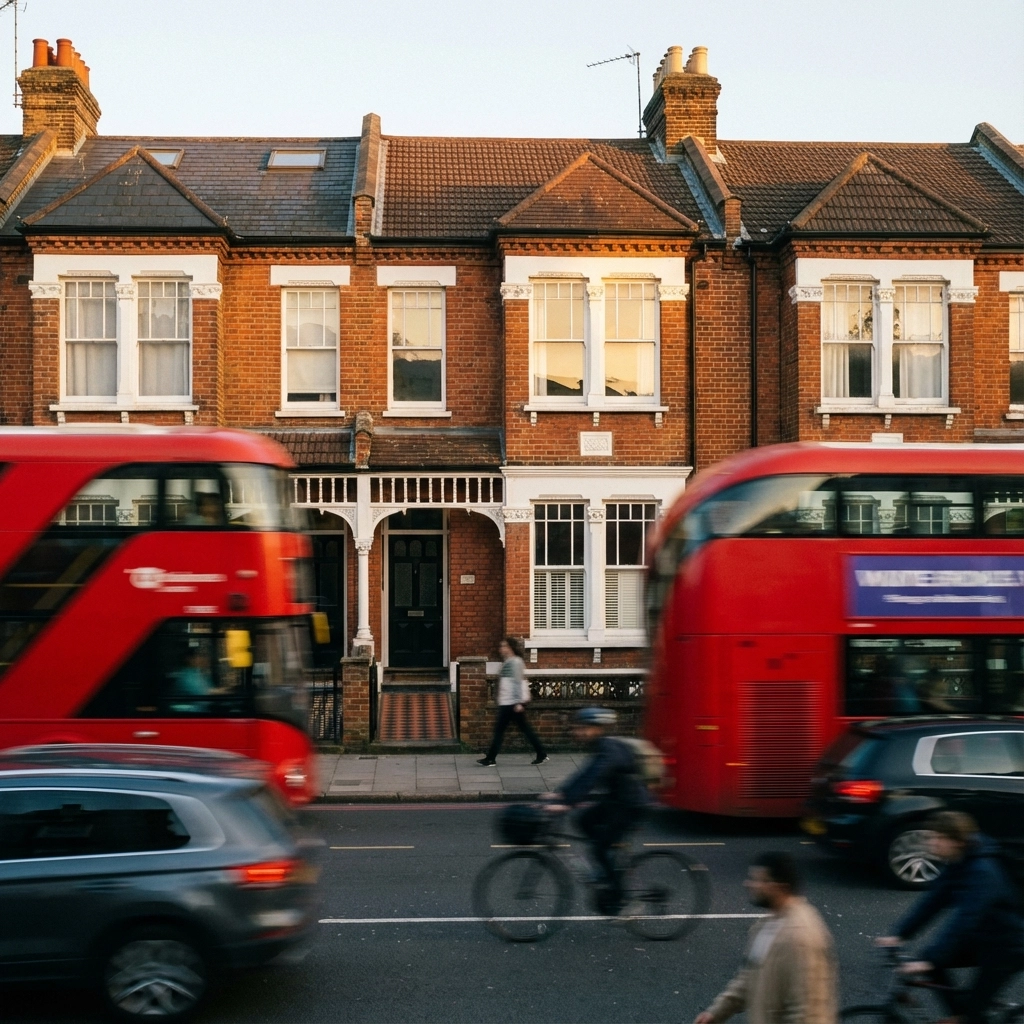
Royal Borough of Greenwich's conservation officers apply particularly rigorous standards to window-related applications, reflecting the area's international heritage significance.
Royal Borough of Greenwich Conservation Policies
The Royal Borough of Greenwich maintains comprehensive conservation area policies covering both Greenwich and Blackheath. These policies emphasize:
- Preservation of Georgian and Victorian architectural character
- Protection of historic streetscape views and sight lines
- Maintenance of original window proportions and materials
- Reversibility of any internal modifications
Secondary glazing from conservation-compliant specialists satisfies these requirements while delivering the acoustic and thermal improvements that heritage properties need.
The A2 Challenge: London's Historic Route
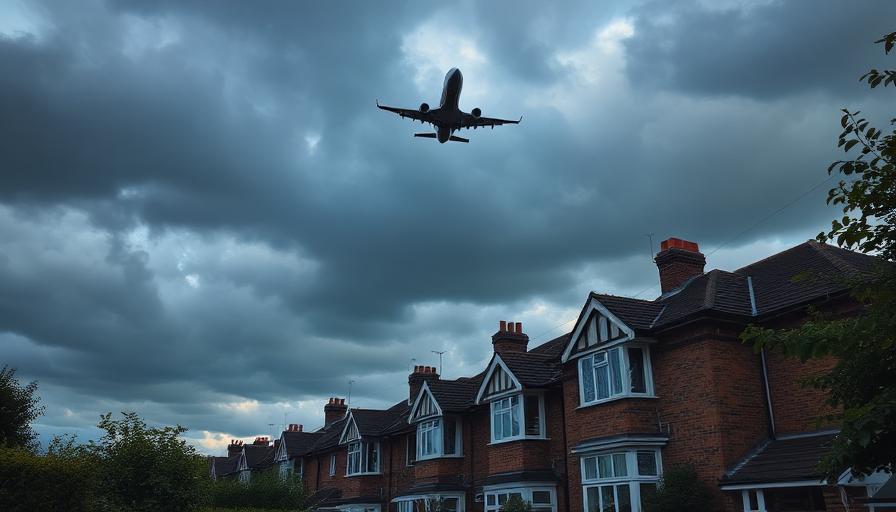
The A2, following the ancient Roman road to Dover, cuts through the heart of SE3 and clips SE10's southern edge. This major arterial route carries constant traffic flow between central London and Kent, with noise levels frequently exceeding 80dB at roadside properties.
The acoustic challenge intensifies around key junctions – the Blackheath Standard, the Sun in the Sands roundabout, and the approaches to the Blackwall Tunnel. Properties within 200 metres of these traffic nodes experience persistent noise intrusion that significantly impacts quality of life.
Traffic Noise Mapping
Peak hour traffic on the A2 through Blackheath generates 78-85dB at façade level. Evening and weekend traffic, while lighter, maintains background levels of 65-70dB that penetrate single-glazed windows with minimal attenuation.
The Blackheath secondary glazing specialists report that properties facing the A2 typically achieve 40-48dB noise reduction with properly specified secondary glazing systems.
DLR and Rail Noise
The Docklands Light Railway serves Greenwich extensively, with elevated sections creating line-of-sight noise paths to adjacent properties. The distinctive whine of DLR motors and wheel-on-rail noise affects properties throughout SE10's northern reaches.
Additionally, the mainline railway through Blackheath station creates periodic noise intrusion for properties near the track, with both passenger and freight services contributing to the acoustic environment.
Case Study #1: Georgian Townhouse, The Paragon
The Whitfield family's Grade II* listed Georgian townhouse on The Paragon represents Blackheath's architectural crown jewel. The crescent's uniform façade, designed by Michael Searles in 1793, creates one of London's most distinguished residential addresses. The £4.5M acquisition reflected both the property's heritage significance and its unobstructed heath views.
"The Paragon is architecturally extraordinary," explains Richard Whitfield. "The proportions, the columns, the views across the heath – it's genuinely special. But those magnificent windows were designed for the eighteenth century, not for twenty-first-century traffic."
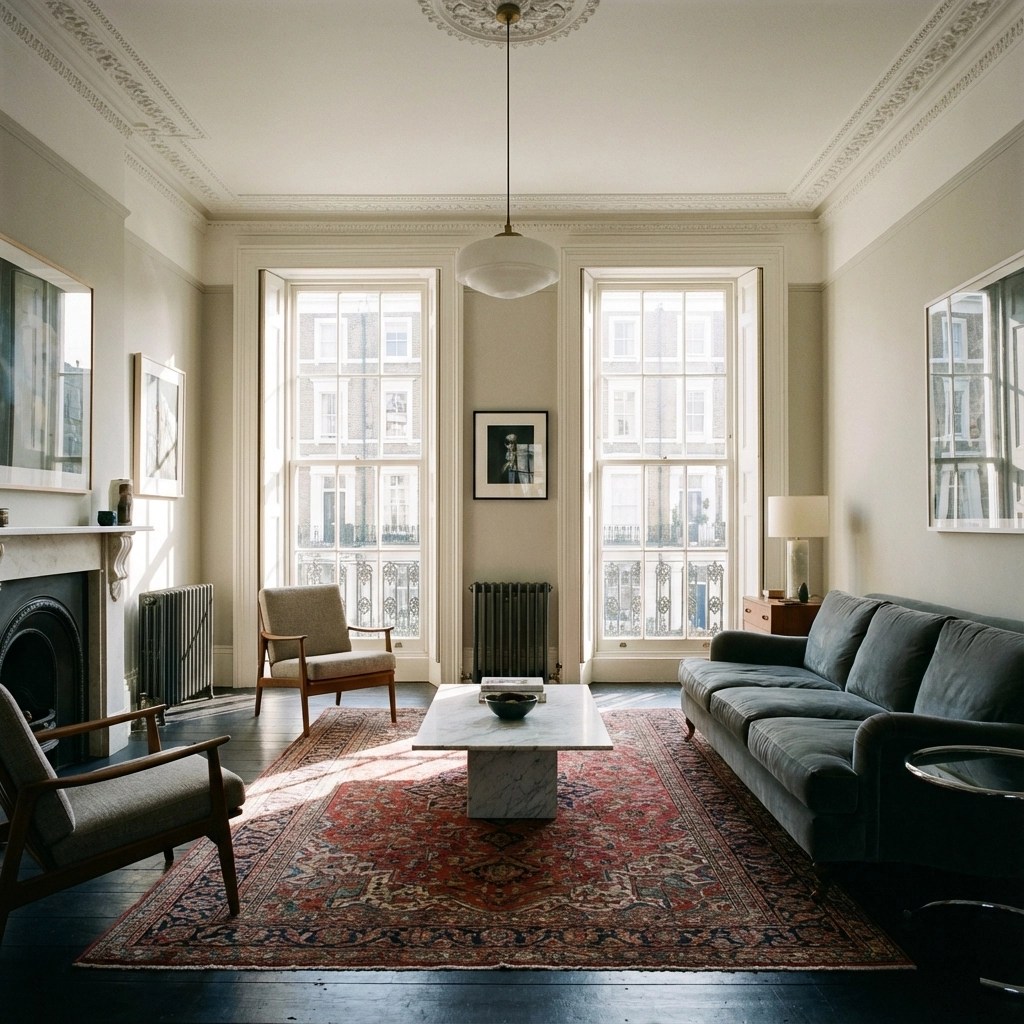
The property's position overlooking the heath meant exposure to traffic noise from the roads crossing the open space, with sound traveling unimpeded across the grass. The original twelve-over-twelve sash windows, while architecturally significant, provided minimal acoustic isolation.
Working with Listed Building secondary glazing specialists, the family navigated the complex approval process required for Grade II* properties. The solution involved bespoke secondary glazing with exceptionally slim sightlines (just 28mm) to minimize visual impact on the historic window proportions.
The Listed Building Consent application required detailed heritage impact assessment, demonstrating that the secondary glazing was completely reversible and caused no damage to original fabric. Approval took four months but proceeded smoothly with proper documentation.
"The acoustic improvement is remarkable," Richard reports. "We can actually have conversations in the front rooms now without competing with traffic. And the thermal improvement has transformed the comfort of what was a rather draughty Georgian house."
The installation achieved 44dB noise reduction while remaining virtually invisible from inside, preserving the clean Georgian proportions that define The Paragon's interior character.
Case Study #2: Victorian Villa, Vanbrugh Park
Elena and Thomas Chen's substantial Victorian villa on Vanbrugh Park offered the space their growing family needed, with five bedrooms and a large garden backing onto Greenwich Park. The £2.1M purchase price reflected both the property's condition and its exceptional location adjacent to the World Heritage Site.
The acoustic challenges emerged quickly. The A2's traffic noise penetrated from the front, while the rear of the property picked up noise from Maze Hill station and the nearby DLR line.
"We're surrounded by transport infrastructure," Elena explains. "It's actually very convenient – we can get anywhere quickly. But the noise was affecting the children's sleep and making working from home difficult."
The Greenwich secondary glazing specialists developed a whole-house solution addressing different noise sources in different rooms. Front-facing windows received heavy-duty acoustic secondary glazing with 10.8mm laminated glass, while rear windows used lighter-weight configurations targeting railway frequencies.
The children's bedrooms received particular attention, with enhanced sealing systems and acoustic glazing specified to achieve the NHS-recommended night-time noise levels for children's sleep quality.
"The transformation in sleep quality was immediate," Thomas reports. "The children sleep through until morning now, and we can actually enjoy weekend lie-ins without being woken by early trains."
Case Study #3: Maritime Quarter Apartment, SE10
Sophie's two-bedroom apartment in a converted warehouse near the Cutty Sark represented exactly what she'd sought: characterful space with river views and walking distance to Greenwich's cultural attractions. The £750k purchase gave her industrial chic aesthetics with a dash of maritime heritage.
The acoustic reality proved challenging. The constant flow of tourists around the World Heritage Site created daytime noise, while the O2's event traffic generated evening disturbance. The DLR's proximity added transport noise to the mix.
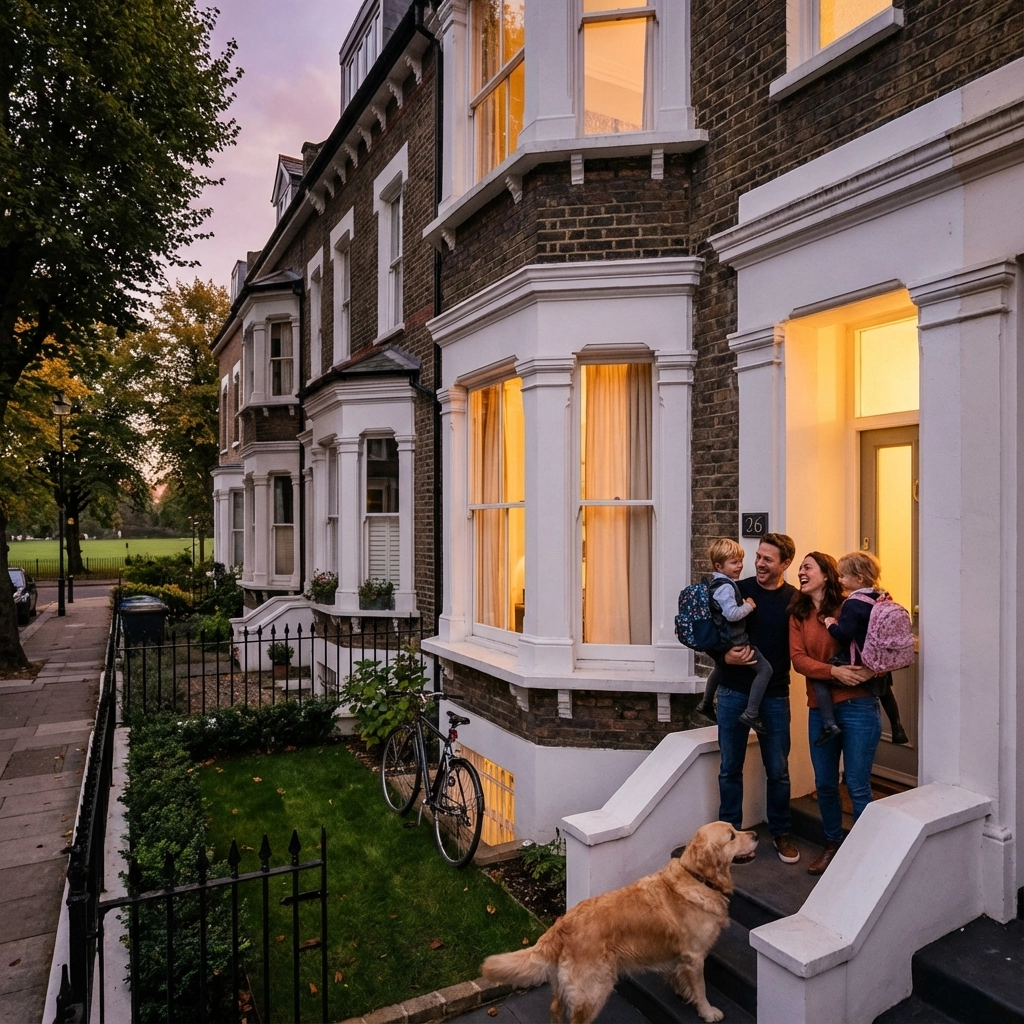
"I love the location," Sophie explains. "Being able to walk to the market, the park, the river – it's perfect. But the single glazing in the original warehouse windows let in every sound."
The warehouse's large steel-framed windows presented specific challenges. Standard secondary glazing systems couldn't accommodate the industrial-scale openings, requiring custom solutions that maintained the building's converted character.
The industrial conversion specialists developed bespoke secondary glazing using powder-coated steel frames that matched the existing window aesthetic. The oversized panels required structural support integration while maintaining the clean sightlines essential to the property's character.
"The installation completely transformed my experience of the space," Sophie reports. "I can work from home without background noise, sleep without DLR disturbance, and still enjoy those amazing river views."
Technical Solutions for Historic Properties
Georgian Window Considerations
Georgian properties in Blackheath and Greenwich feature distinctive window proportions – tall, elegant openings with multiple glazing bars creating characteristic twelve-over-twelve or six-over-six patterns. Secondary glazing for these windows must respect these proportions while providing acoustic and thermal performance.
The key lies in minimizing frame sightlines to prevent visual competition with original glazing bar patterns. Specialist manufacturers offer frames as narrow as 28mm, ensuring secondary glazing remains subordinate to the original window architecture.
Sash Window Operation
Maintaining sash window operability is essential for ventilation and cleaning access. Secondary glazing systems that mirror sash window operation – sliding vertical panels that correspond to original sash positions – provide intuitive operation while maintaining acoustic seals when closed.
Sash window specialists ensure secondary glazing panels align precisely with original sashes, maintaining the traditional window operation pattern that Georgian and Victorian homeowners expect.
Bay Window Configurations
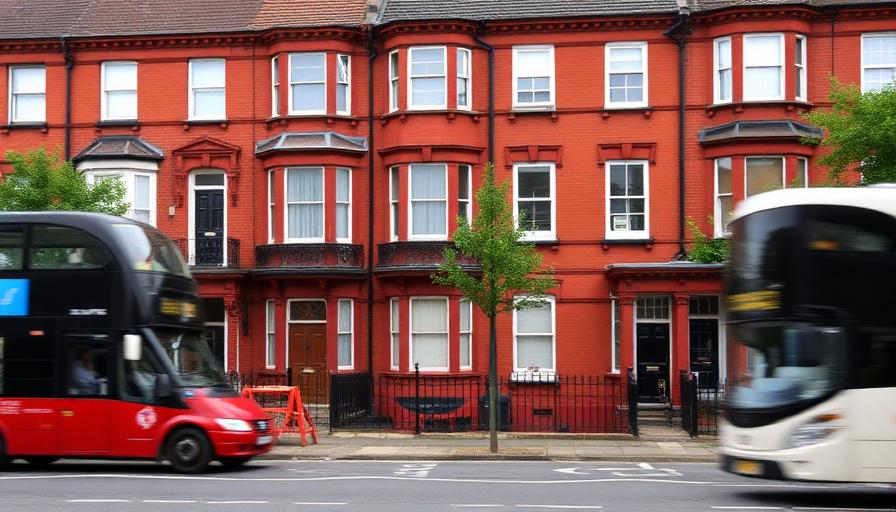
Victorian properties in both areas frequently feature elaborate bay windows – canted, curved, and full-height configurations that define streetscape character. These architectural features require custom secondary glazing solutions that follow exact geometric profiles.
Professional surveys using laser measurement technology ensure secondary glazing frames match original bay angles precisely, maintaining the geometric integrity that defines these properties' architectural character.
Listed Building Protocols
Approximately 20% of Blackheath's residential properties and a significant portion of Greenwich's historic core carry Listed Building status. Secondary glazing installations in Listed buildings require Listed Building Consent from the Royal Borough of Greenwich.
Application Requirements
Listed Building Consent applications for secondary glazing typically require:
- Detailed drawings showing proposed installation
- Heritage Impact Assessment demonstrating reversibility
- Photographs documenting existing conditions
- Specification of materials and finishes
- Statement of significance for affected rooms
The heritage assessment service prepares these materials for homeowners, streamlining the approval process.
Typical Timescales
Straightforward secondary glazing applications for Listed buildings typically receive determination within 8-12 weeks. Complex cases or Grade II* properties may require additional consultation, extending timescales to 16-20 weeks.
Early engagement with the council's conservation team can identify potential issues before formal application, reducing approval delays.
Financial Considerations
Premium Property Values
Blackheath and Greenwich's premium property market means even small percentage value gains translate to significant sums. Secondary glazing that enables heritage properties to offer modern comfort standards typically supports price premiums of 3-5%.
For a £2M Victorian villa, this translates to potential added value of £60-100k – substantially exceeding typical installation costs of £20-35k for whole-house solutions.
Energy Efficiency in Large Properties
Georgian and Victorian properties' generous proportions create substantial heating volumes. Single-glazed windows with high U-values (around 5.0 W/m²K) allow significant heat loss, driving energy costs that can exceed £5,000 annually for larger properties.
Secondary glazing's thermal improvement (reducing U-values to 2.5-3.0 W/m²K) typically delivers 30-40% heating cost reductions. For substantial period properties, annual savings of £1,500-2,000 provide meaningful returns on investment.
Choosing Qualified Installers
Heritage properties in SE3 and SE10 demand installers with specific experience in conservation area work and Listed Building requirements. Greenwich-area installers should demonstrate:
- Portfolio of completed heritage projects
- Familiarity with Royal Borough of Greenwich planning requirements
- Understanding of World Heritage Site sensitivities
- Capability for Listed Building Consent application support
- Product guarantees covering materials and workmanship
Professional installation includes careful protection of original features, precise fitting to ensure optimal acoustic performance, and documentation for future reference.
Making the Decision
Secondary glazing makes particular sense for Blackheath and Greenwich properties when:
- World Heritage or conservation restrictions prevent window replacement
- A2 traffic or transport noise significantly impacts quality of life
- Georgian or Victorian window proportions warrant preservation
- Listed Building status requires reversible improvements
- Energy efficiency improvements are priorities
The combination of exceptional heritage significance and genuine acoustic challenges makes secondary glazing the default choice for SE3 and SE10 homeowners seeking comfort improvements.
Getting Started
Begin with a professional assessment that evaluates both acoustic requirements and heritage constraints. For Listed properties, this assessment should include guidance on Listed Building Consent requirements.
Contact secondary glazing specialists experienced with Blackheath and Greenwich's unique heritage context to explore solutions that enhance your property's comfort while respecting its architectural significance.
Living in Blackheath and Greenwich means enjoying London's finest heritage environments while preserving the architectural character that earned UNESCO recognition. Secondary glazing enables that balance, bridging Georgian elegance and modern expectations.
Sources & References
Citations could not be generated at this time.
People Also Ask
Related questions could not be generated at this time.
Frequently Asked Questions
FAQs could not be generated at this time.