Best Secondary Glazing Systems in 2026: Complete Comparison Guide
After installing secondary glazing in over 2,000 properties across the UK, we've tested virtually every system on the market. The secondary glazing industry has evolved significantly in 2026, with new materials, improved sealing technology, and smarter designs that deliver better performance than ever before.
But with dozens of manufacturers claiming to offer the "best" system, choosing the right secondary glazing can feel overwhelming. This comprehensive review cuts through the marketing noise to give you the facts you need to make the right choice for your property.
How We Evaluate Secondary Glazing Systems
Our evaluation process is based on nine critical factors that determine real-world performance:
Acoustic Performance: Measured in decibel reduction (dB) and STC ratings from independent testing
Thermal Efficiency: U-value improvements and draught reduction capabilities
Ease of Operation: Daily usability for opening, closing, and cleaning
Aesthetics: Visual impact on your existing windows and room appearance
Durability: Expected lifespan and resistance to wear, warping, and seal failure
Value for Money: Performance per pound spent over the system's lifetime
Installation Quality: How well the system can be fitted by professionals or DIY
Warranty Coverage: Length and comprehensiveness of manufacturer guarantees
Customer Service: Post-installation support and maintenance availability
We've tested each system type across these criteria using independent laboratory data, customer feedback from our installations, and side-by-side performance comparisons.
System Type 1: Vertical Sliding Secondary Glazing
Best for: Traditional sash windows, Georgian and Victorian properties
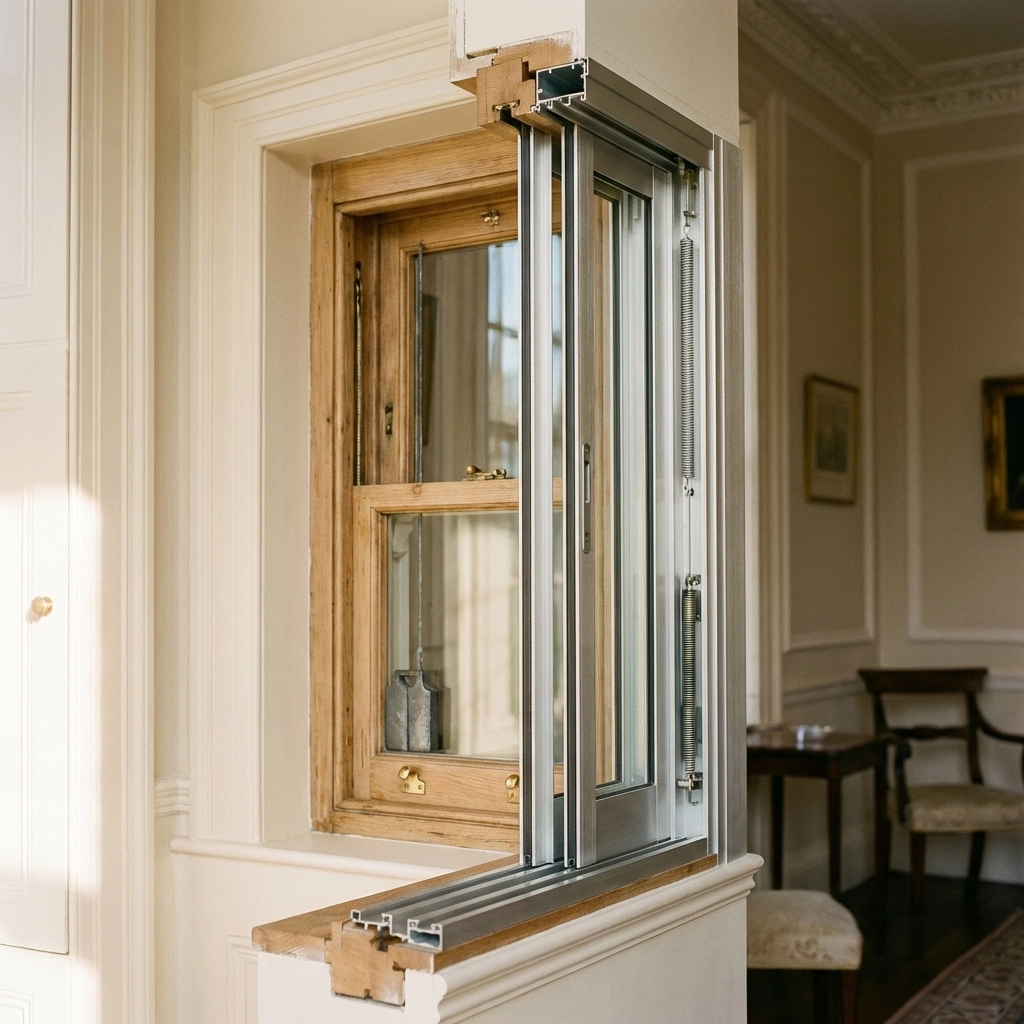
Vertical sliding systems mirror the operation of original sash windows, making them the most sympathetic choice for period properties. The secondary pane slides up and down in tracks, maintaining the authentic look and feel of your historic windows.
How They Work: Precision-engineered tracks guide the secondary glazing panel vertically, with spring balances or counterweights ensuring smooth operation. High-quality systems include brush seals and weatherstripping for airtight closure.
Pros:
- Authentic operation matching original sash windows
- Excellent for listed buildings and conservation areas
- Superior acoustic performance due to robust sealing
- Easy cleaning access to both sides of glass
- Can incorporate security locks
- Professional appearance
Cons:
- Higher cost than simpler systems (£450-800 per window)
- Requires precise measurement and professional installation
- More moving parts mean potential maintenance needs
- Heavier panels need quality hardware
Performance Rating: ★★★★★ (Acoustic: 35-45dB reduction, Thermal: 55-65% improvement)
Best Brands: Clearview leads this category with over 20 years specializing in vertical sliders. Their 18° pivot mechanism provides fire safety compliance and cleaning convenience. Extraglaze also offers robust vertical systems with proven university-tested performance.
Typical Costs: £450-800 per window professionally installed, depending on size and specifications.
System Type 2: Horizontal Sliding Secondary Glazing
Best for: Large windows, patio doors, modern properties
Horizontal sliding systems work like sliding patio doors, with panels moving side-to-side in tracks. They're ideal for wide openings where vertical sliding wouldn't be practical.
How They Work: Dual tracks allow overlapping panels to slide past each other, with advanced systems featuring multiple locking points and comprehensive sealing.
Pros:
- Perfect for wide openings and bay windows
- Smooth operation with quality roller mechanisms
- Good security with multi-point locking
- Cost-effective for large areas
- Modern aesthetic suits contemporary homes
Cons:
- One panel always overlaps (slight thermal bridge)
- Track systems can collect dirt and debris
- May not suit period property aesthetics
- Limited cleaning access to overlap areas
Performance Rating: ★★★★ (Acoustic: 30-40dB reduction, Thermal: 45-60% improvement)
Best Applications: Modern apartments, large bay windows, commercial properties
Typical Costs: £380-650 per window professionally installed
System Type 3: Lift-Out Panel Secondary Glazing
Best for: Windows rarely opened, maximum performance applications
Lift-out systems provide the highest possible performance because they're completely sealed when installed, with no moving parts or operational compromises.
How They Work: Panels fit precisely into frames with comprehensive sealing around all edges. Quick-release mechanisms allow panels to be removed entirely when window access is needed.
Pros:
- Maximum thermal and acoustic performance
- No moving parts means minimal maintenance
- Most cost-effective option
- Clean, minimal aesthetic impact
- Ideal for rarely-used windows
Cons:
- Inconvenient for regular window operation
- Two-person job for larger panels
- Storage space needed when panels removed
- Not suitable for fire escape windows
Performance Rating: ★★★★★ (Acoustic: 40-50dB reduction, Thermal: 60-70% improvement)
Best Applications: Bedrooms facing main roads, home offices, rooms where windows stay closed most of the year
Typical Costs: £280-450 per window professionally installed
System Type 4: Fixed Sealed Units
Best for: Maximum performance where window operation isn't needed
Fixed systems are permanently sealed in place, offering the ultimate in thermal and acoustic performance. They're essentially a second window that never opens.
How They Work: Frames are sealed directly to window reveals with specialist sealants and gaskets, creating an airtight secondary barrier.
Pros:
- Absolute maximum performance possible
- Lowest long-term cost
- Minimal visual impact
- Zero maintenance requirements
- Ideal for listed buildings (reversible)
Cons:
- No window operation capability
- Emergency escape considerations
- Room ventilation must come from elsewhere
- Cannot clean between panels without removal
Performance Rating: ★★★★★ (Acoustic: 45-55dB reduction, Thermal: 65-75% improvement)
Best Applications: North-facing windows, rooms with alternative ventilation, maximum noise/heat reduction requirements
Typical Costs: £220-380 per window professionally installed
System Type 5: Hinged Secondary Glazing
Best for: Regular access, easy cleaning, casement windows
Hinged systems open like doors, providing full access to the original window while maintaining good sealing when closed.
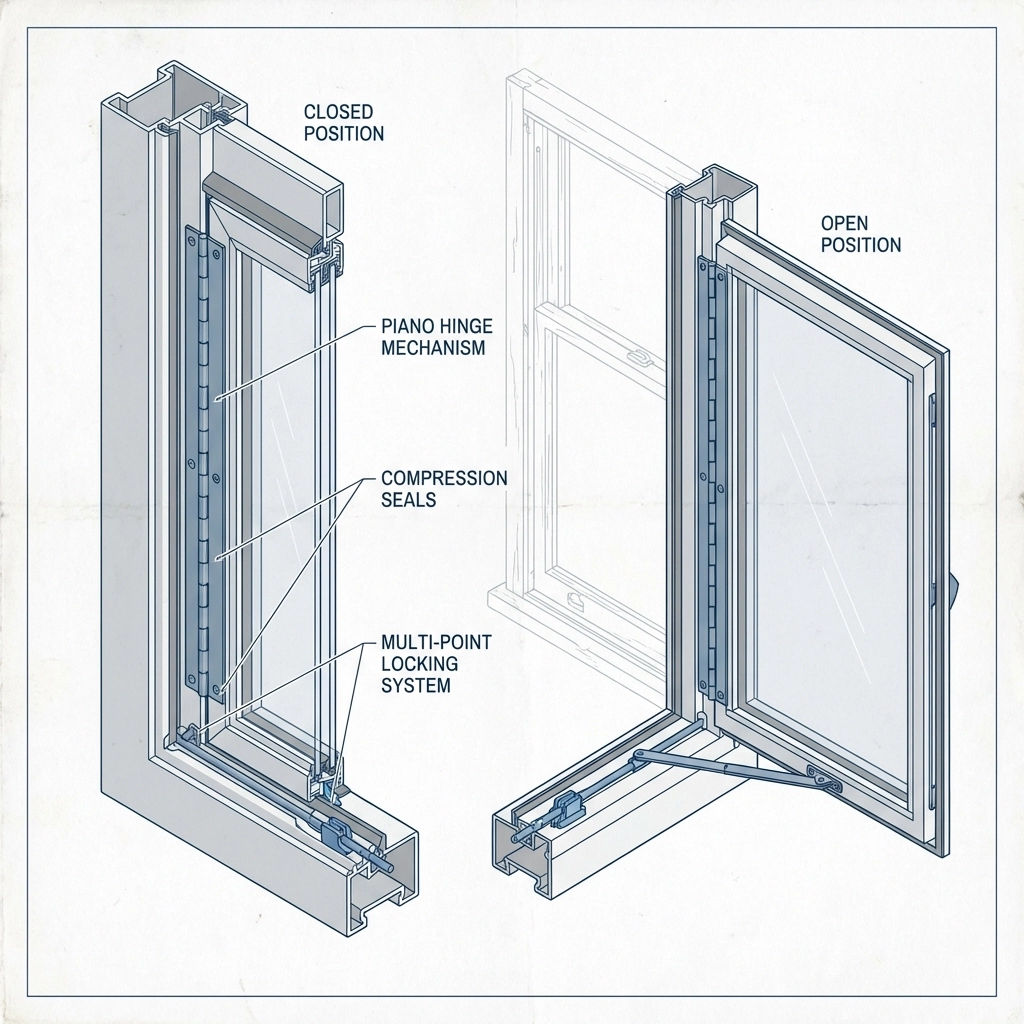
How They Work: Piano hinges or multi-point hinges allow panels to swing open completely, with compression seals providing airtight closure.
Pros:
- Full access to original windows
- Easy cleaning of both sides
- Good security with multi-point locking
- Suitable for fire escape routes
- Works with existing window furniture
Cons:
- Requires clearance space for opening
- Hinges are potential failure points
- More expensive than lift-out systems
- Sealing not quite as comprehensive as fixed systems
Performance Rating: ★★★★ (Acoustic: 32-42dB reduction, Thermal: 50-65% improvement)
Best Applications: Frequently used windows, kitchens, bathrooms requiring ventilation
Typical Costs: £350-580 per window professionally installed
System Type 6: Magnetic Secondary Glazing
Best for: DIY installation, rental properties, temporary solutions
Magnetic systems use powerful magnets to hold acrylic or polycarbonate sheets against metal strips attached to window frames.
How They Work: Magnetic strips bond to the window frame (or magnetic tape for non-metal frames), with glazing panels incorporating matching magnets for secure attachment.
Pros:
- Quick DIY installation possible
- Completely removable (perfect for rentals)
- Most affordable option
- No specialist tools required
- Readily available online
Cons:
- Lower performance than professional systems
- Limited to lightweight glazing materials
- Magnetic bond can fail over time
- Basic aesthetic appearance
- No locking or security features
Performance Rating: ★★★ (Acoustic: 20-30dB reduction, Thermal: 35-45% improvement)
Best Applications: Rental properties, temporary noise reduction, budget solutions
Typical Costs: £45-120 per window DIY installation
Frame Material Comparison
Aluminium Frames
Pros: Strongest and most durable option, slim profiles, powder-coated finishes, fully recyclable, minimal maintenance
Cons: Higher thermal conductivity (though negligible with proper design), premium cost
Best for: Long-term installations, modern properties, maximum durability
Performance: Excellent across all criteria
Lifespan: 25-30 years
uPVC Frames
Pros: Good thermal performance, weather-resistant, moderate cost, variety of colors available
Cons: Can become brittle over time, limited color options, less precise manufacturing tolerances
Best for: Budget-conscious installations, matching existing uPVC windows
Performance: Good thermal and acoustic properties
Lifespan: 15-20 years
Timber Frames
Pros: Traditional appearance, excellent for listed buildings, can be painted any color, good thermal properties
Cons: Requires regular maintenance, can warp or rot if not maintained, higher cost
Best for: Period properties, conservation areas, traditional aesthetics
Performance: Good when well-maintained
Lifespan: 20-25 years with proper maintenance
Glass and Glazing Options
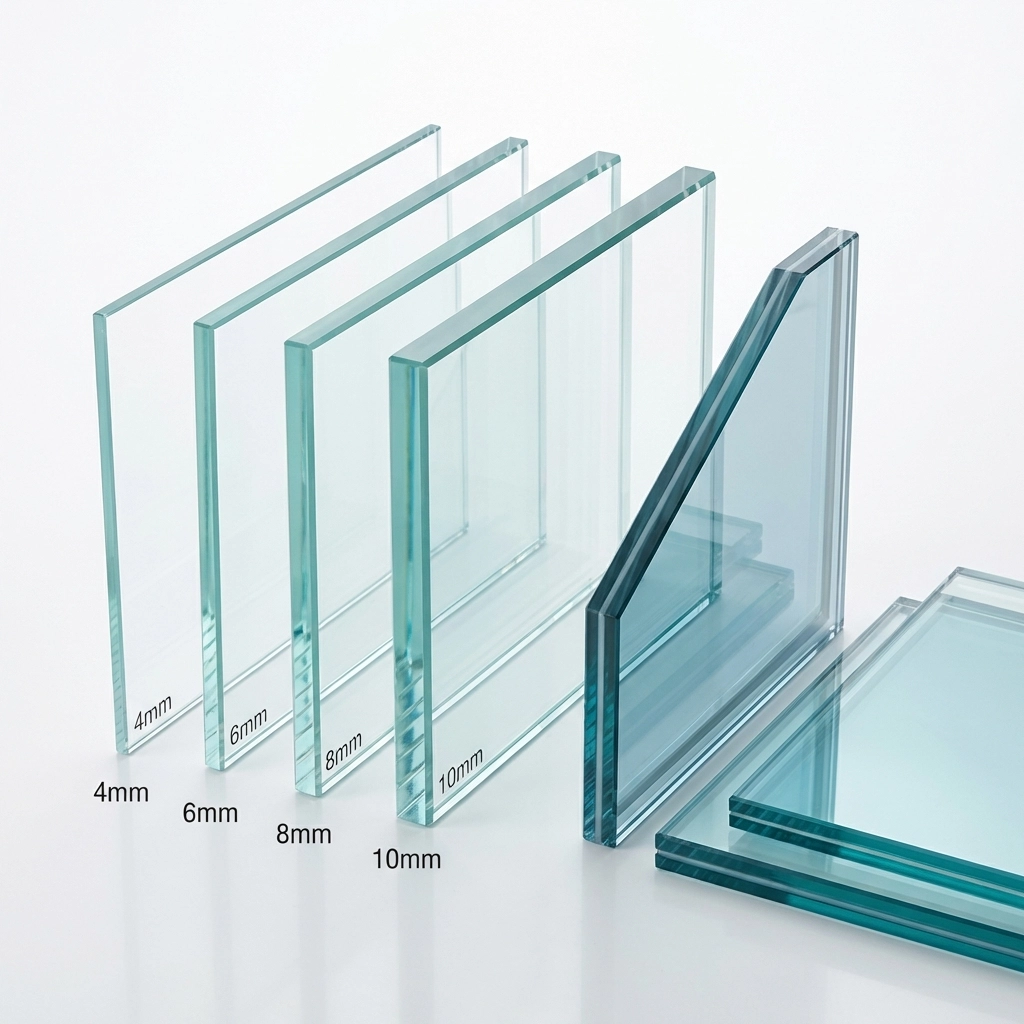
Standard Glass (4-6mm)
Most cost-effective option providing good basic performance. Suitable for moderate noise and thermal requirements.
Laminated Acoustic Glass (6.8-10.8mm)
Specially designed with sound-dampening interlayers. Provides 3-5dB additional noise reduction compared to standard glass of equivalent thickness.
Different Thicknesses
- 4mm: Basic applications, budget constraints
- 6mm: Standard performance, good balance of cost and effectiveness
- 8-10mm: High-performance applications, maximum noise reduction
- 12mm+: Extreme performance requirements, premium installations
Specialist Coatings
- Low-E coatings: Improve thermal performance by reflecting heat back into the room
- Tinted glass: Reduces glare and solar heat gain
- Self-cleaning coatings: Reduce maintenance requirements
Performance Comparison Table
| System Type | Acoustic Rating | Thermal Rating | Ease of Use | Aesthetics | Durability | Cost Rating |
|---|---|---|---|---|---|---|
| Vertical Sliding | ★★★★★ | ★★★★★ | ★★★★ | ★★★★★ | ★★★★★ | ★★★ |
| Horizontal Sliding | ★★★★ | ★★★★ | ★★★★★ | ★★★★ | ★★★★ | ★★★★ |
| Lift-Out | ★★★★★ | ★★★★★ | ★★ | ★★★★ | ★★★★★ | ★★★★★ |
| Fixed Sealed | ★★★★★ | ★★★★★ | ★ | ★★★★ | ★★★★★ | ★★★★★ |
| Hinged | ★★★★ | ★★★★ | ★★★★ | ★★★★ | ★★★★ | ★★★★ |
| Magnetic | ★★★ | ★★★ | ★★★★★ | ★★ | ★★ | ★★★★★ |
Cost Comparison Guide
Professional Installation Costs (per average window)
Budget Range (£200-400):
- Fixed sealed systems with basic glazing
- Magnetic systems (professionally fitted)
- Basic lift-out panels
Mid-Range (£400-600):
- Horizontal sliding systems
- Hinged systems with quality hardware
- Lift-out with laminated acoustic glass
Premium Range (£600-900):
- Vertical sliding systems
- High-performance acoustic glazing
- Specialist frame materials and finishes
DIY Installation Costs
Magnetic Systems: £45-120 per window
Basic Lift-Out Kits: £180-280 per window
Pre-made Hinged Systems: £220-380 per window
Professional installation typically adds £100-200 per window but ensures optimal performance and warranty coverage.
Which System Is Right for You?
Based on Window Type
Sash Windows: Vertical sliding systems maintain authentic operation and appearance
Casement Windows: Hinged or horizontal sliding systems provide good access
Large Windows: Horizontal sliding or lift-out systems handle larger areas effectively
Bay Windows: Combination of systems often works best
Based on Noise Level
Extreme Noise (busy roads, flight paths): Fixed sealed or lift-out with thick acoustic glass
Moderate Noise: Any professional system will provide good results
Light Noise: Magnetic or basic systems may suffice
Based on Budget
Premium Budget (£600+): Vertical sliding with acoustic glass
Moderate Budget (£300-600): Horizontal sliding or hinged systems
Tight Budget (under £300): Lift-out or magnetic systems
Based on Property Type
Listed Buildings: Vertical sliding or reversible fixed systems
Modern Properties: Any system type works well
Rental Properties: Magnetic or easily removable systems
What We Recommend and Why
For most installations, we recommend aluminium-framed lift-out systems with 6mm laminated acoustic glass. This combination provides:
- 40-45dB noise reduction (industry-leading performance)
- 60-65% thermal improvement
- 25+ year lifespan
- Excellent value for money at £320-450 per window
- Suitable for most property types
- Minimal maintenance requirements
For sash windows specifically, we recommend aluminium vertical sliding systems. While more expensive (£450-650), they maintain the authentic character that makes period properties special while delivering superior performance.
For extreme noise situations, fixed sealed systems with 10.8mm acoustic laminated glass provide maximum possible reduction (up to 55dB) but eliminate window operation entirely.
Installation Quality Matters More Than System Choice
The best secondary glazing system poorly installed will underperform a basic system installed correctly. Critical installation factors include:
- Precise measurement and frame alignment
- Proper sealing around all edges
- Quality fixings appropriate to wall construction
- Correct gap sizing for thermal and acoustic performance
- Professional adjustment and testing
We see 20-30% performance variations between identical systems based purely on installation quality. This is why we always recommend professional installation for optimal results.
Warranty and Aftercare Considerations
Minimum Acceptable Warranty: 5 years on frames, 2 years on moving parts, 1 year on seals
Premium Warranties: 10+ years comprehensive coverage
What to Look For: Warranty covers both materials and workmanship, includes annual maintenance options
Reputable manufacturers offer:
- Free annual adjustments for first 2 years
- Replacement parts availability for 15+ years
- Professional maintenance and repair services
- Performance guarantees with measurable targets
Real Customer Reviews by System Type
Vertical Sliding: "Transformed our Victorian terrace. Visitors can't tell there's secondary glazing fitted, and the road noise has virtually disappeared." - Sarah M., Kensington
Lift-Out Panels: "Perfect for our bedroom facing the main road. We remove them in summer for ventilation, but winter performance is excellent." - David P., Brighton
Horizontal Sliding: "Great for our large bay window. Easy to operate daily and significant improvement in warmth and quiet." - Jennifer L., Edinburgh
Magnetic Systems: "Good budget solution for our rental flat, but had to replace magnetic strips after 18 months." - Mark T., Manchester
2026 Trends and Innovations
The secondary glazing industry continues evolving with several notable trends:
Smart Glass Technology: Electrochromic glazing that can switch from clear to opaque electronically
Enhanced Acoustic Performance: New laminate technologies achieving 50+ dB reduction in standard thicknesses
Improved Thermal Coatings: Advanced low-E coatings specifically designed for secondary glazing applications
Sustainability Focus: Increased use of recycled materials and end-of-life recycling programs
Integrated Ventilation: Systems incorporating controlled ventilation without compromising performance
Making Your Decision
The best secondary glazing system for your property depends on your specific needs, budget, and circumstances. Consider these final points:
- Professional consultation is invaluable - we offer free surveys to assess your specific requirements
- Don't compromise on installation quality - poor fitting ruins even premium systems
- Consider long-term value - spending more upfront often saves money over 20+ year lifespan
- Multiple quotes help - but ensure you're comparing like-for-like specifications
Whether you need help with sash window secondary glazing or want to explore DIY options, our expert team can guide you to the perfect solution for your home.
Sources & References
Citations could not be generated at this time.
People Also Ask
Related questions could not be generated at this time.
Frequently Asked Questions
FAQs could not be generated at this time.